Plumber in Longmont, CO — 24/7 by phone
Home / Areas / Boulder County / Longmont
Longmont is an unusually complete cross-section of Colorado housing. There are pre-war brick houses near the old centre, extensive post-war and 1970s neighbourhoods around them, and subdivisions from every decade since on the outer edges. Almost every plumbing problem common to the Front Range shows up here somewhere, which makes the age of your particular house the most useful thing to establish first.
A working town with every housing era in it
In the oldest parts of town the plumbing inheritance is familiar: clay sewer laterals, cast-iron drain stacks and galvanised steel supply lines, all long past the service life anyone designed for. The tells are consistent — flow that drops when two fixtures run, discoloured water after the house has sat, drains that slow and clear and slow again.
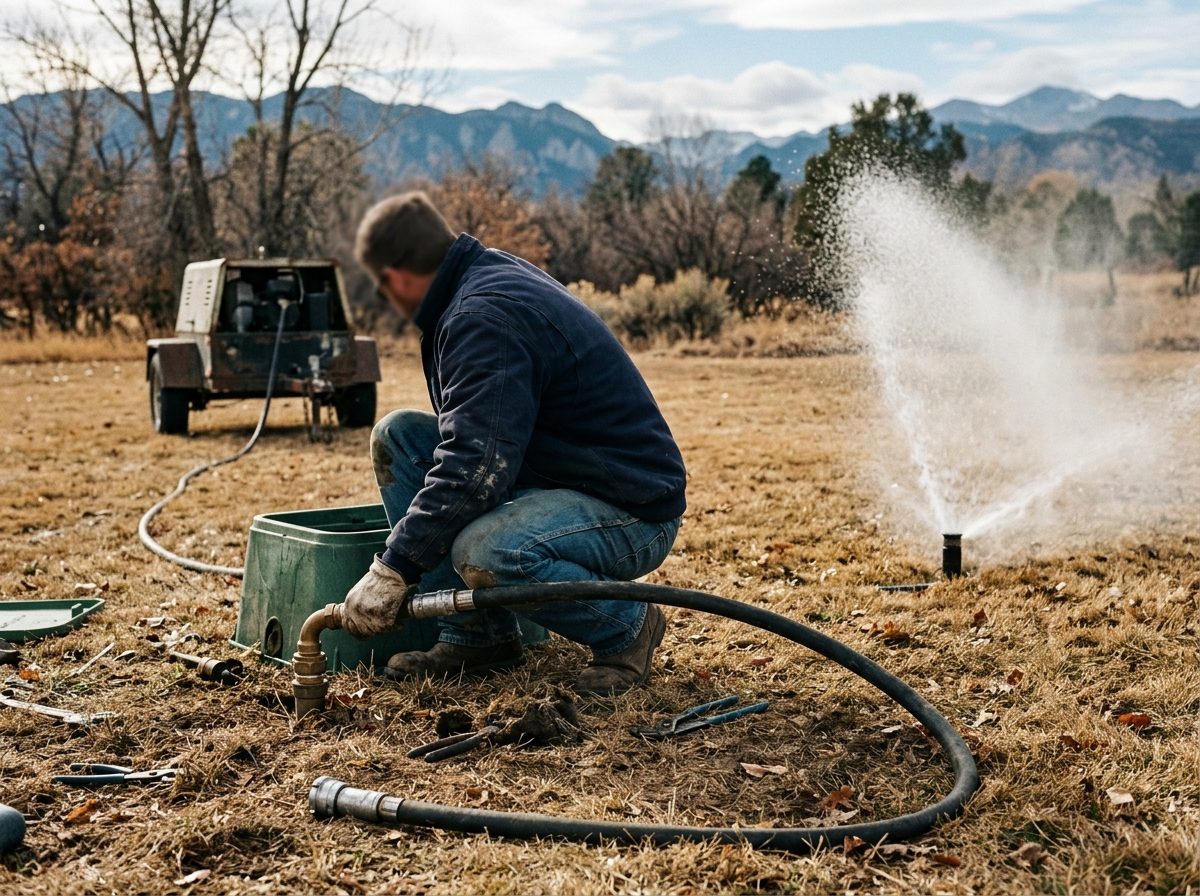
The post-war and 1970s neighbourhoods have a different signature. Materials are generally better, but the whole street was built in the same couple of years, which means sewer laterals, water heaters and pressure regulators all reach the end of their service lives around the same time. Newer subdivisions on the edges are dealing with installation details rather than age: regulators left at high settings, sump pits without pumps, and irrigation that was never properly winterised.
Basements, sumps and spring water
Longmont sits on ground where spring runoff and a high seasonal water table matter, and full basements are the norm rather than the exception. That combination makes the sump pump one of the more consequential appliances in the house — and the one least likely to have been tested.
The failure mode is almost comic in its predictability. The pump sits idle through a dry winter, the float sticks or the motor gives up quietly, and nobody discovers it until the week the snow goes off fast or a summer storm dumps an inch in twenty minutes. Testing it takes five minutes: pour a couple of buckets of water into the pit and confirm the pump starts, moves water and shuts off cleanly. If your basement is finished, a battery backup or a second pump is worth pricing, because the cost of failure is flooring and drywall rather than plumbing.
Basement taking water?Get the pump checked before the melt, not during it.
Ask about sump pumpsFloor drain backing up? Stop running water into the house, then call.
Ask about a sewer backup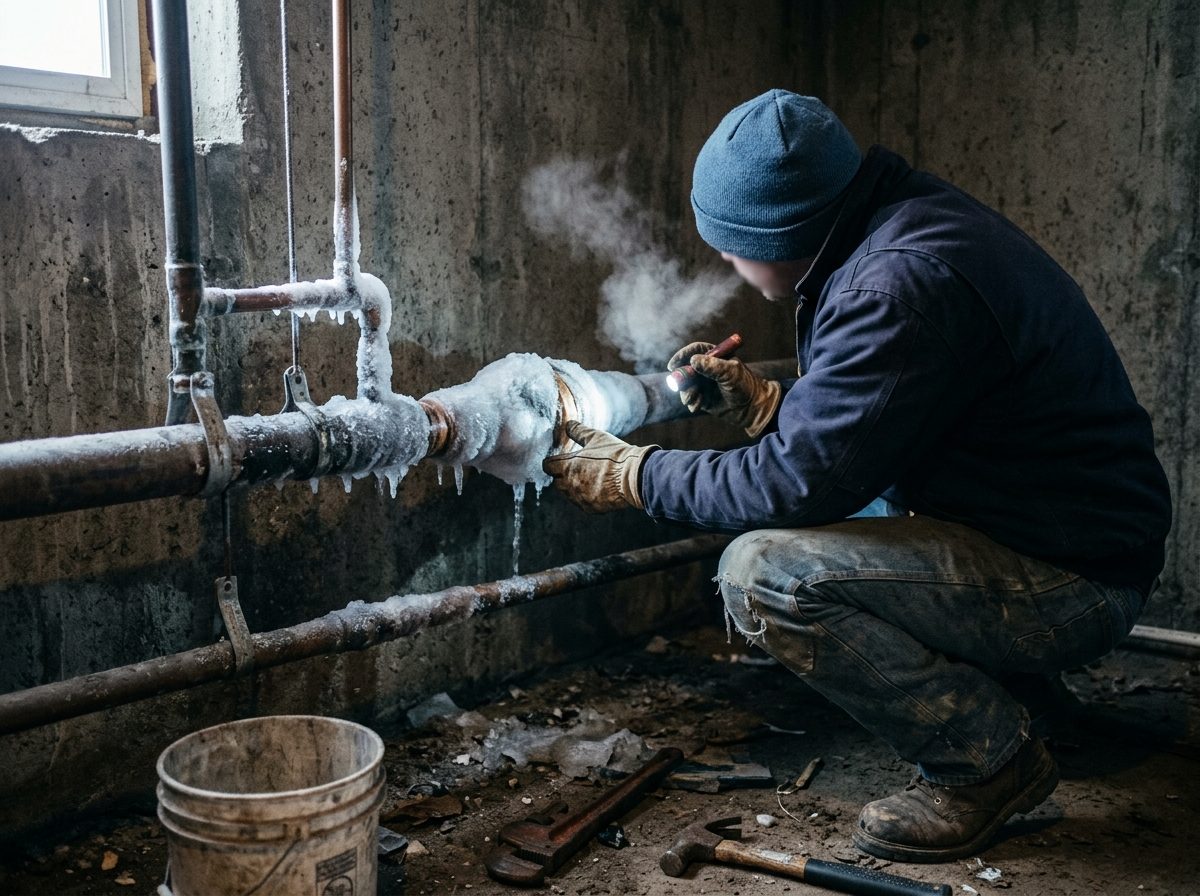
Laterals under old streets
Sewer calls here follow the trees. In the established neighbourhoods, clay laterals run under mature street plantings, and roots find the joints. The first symptom is usually the basement floor drain or the lowest toilet, not the fixture you were using, because a backed-up main shows itself at the lowest opening in the house.
If that happens, stop putting water into the house immediately — no laundry, no showers, no dishwasher — and get the line cleared, then camera inspected. Clearing restores flow; the camera tells you why it stopped. That distinction is what separates an annual maintenance clean from a spot repair, a trenchless liner or a replacement, and it is worth insisting on before agreeing to any excavation.
Houses with finished basements and fixtures below street level are also the ones where a backwater valve is worth discussing. It is a one-way gate on the lateral that stops the public main pushing back into the house during a surcharge, and it needs to be accessible for inspection, so placement is part of the conversation.
Heater aging, pressure unknown? Both are quick checks on one visit.
Ask about a heater or pressure checkHeaters, scale and pressure
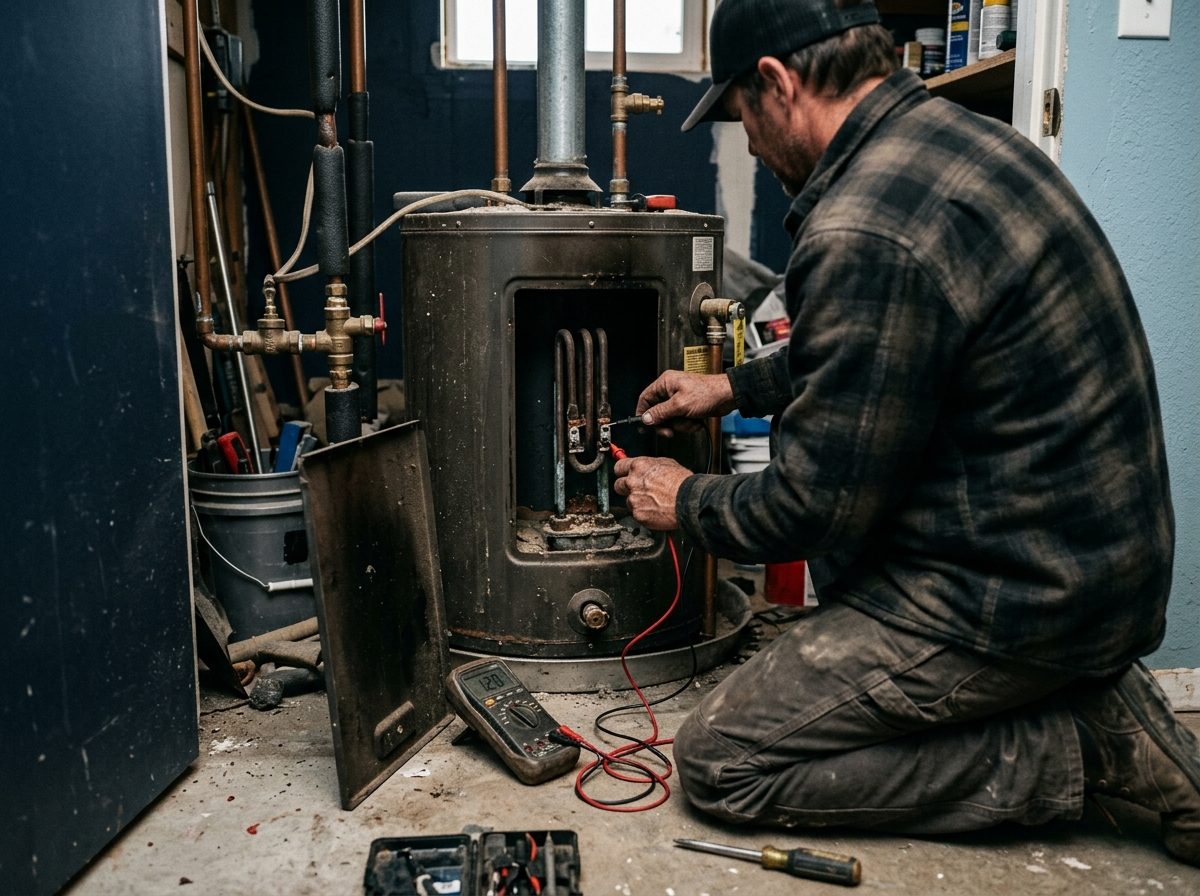
Water here carries enough mineral content that scale is a maintenance item rather than a curiosity. It settles in the bottom of a water heater, insulates the burner from the water above it, lengthens run times and shortens the unit's life. On electric heaters it coats the elements directly. Flushing the tank annually is the cheapest life extension available and the job most often skipped.
Pressure is the other quiet variable. A regulator that has drifted or failed lets street pressure through to household fixtures that were never designed for it, and the symptoms look like bad luck rather than a single cause: running toilets, dripping taps, a washing machine hose that lets go, a heater relief valve that discharges. A gauge on an outdoor spigot answers it in a minute, and replacing a regulator is far cheaper than replacing fixtures one at a time.
Two five-minute jobs
Test the sump pump with a bucket of water, and check that your main shutoff actually turns. Both take minutes, both are free, and between them they prevent a large share of the calls that arrive as emergencies.
Nearby communities
Longmont sits where Boulder County meets the Weld and Larimer county farmland, with neighbours in every direction.
Longmont, Colorado
Longmont plumbing questions answered
Pour two or three buckets of water into the pit and watch what happens. The float should lift, the pump should start, move the water out and shut off cleanly without cycling on and off. If it hums without pumping, runs continuously, or does nothing at all, deal with it now rather than during the melt. Do the test in early spring and again before the summer storm season.
It points at the main lateral rather than a branch line, because the floor drain is the lowest opening in the system. Stop running water into the house and get the line cleared, then inspected with a camera. In older Longmont neighbourhoods, roots at a clay pipe joint are the most common cause, and the camera is what tells you whether cleaning, repair or replacement is the honest answer.
It is worth asking about if you have a finished basement with fixtures below street level, or if your street has surcharged during heavy rain before. The valve is a one-way gate that stops the public main pushing into the house. It does not replace fixing a failing lateral, and it must remain accessible for inspection and service, so where it goes matters as much as whether you have one.
Scale is the most common explanation in an area with mineral-rich water. Sediment collects in the bottom of the tank, insulates the burner from the water and forces longer run times, and on electric units it coats the elements. An annual flush pushes the life back toward what the manufacturer intended. Age plus a damp patch under the tank means plan a replacement rather than wait.
Not necessarily. Ice can crack a pipe or a fitting without releasing water while the blockage is still frozen, and the leak begins at the thaw — sometimes hours later, often inside a wall. Look for damp, listen for running water with everything off, and get the underlying exposure fixed before the next cold night, because the same pipe will freeze again.
Same-day is normal and a couple of hours is common for anything urgent. Addresses out toward Hygiene and the county edges add a little drive time. During a regional cold snap every plumber is on split lines at once, so you may get a next-morning window plus clear instructions on what to shut off in the meantime.
Check toilets first — a failed flapper passes water silently and continuously. Put food colouring in the tank, wait twenty minutes without flushing, and look for colour in the bowl. If they are clean, run the meter test: shut everything off, note the meter, and read it again an hour later. Movement means water is leaving your system and it is time for leak detection.
Yes, particularly on anything built before the 1970s or on a street with mature trees. The sewer lateral is the one major system a standard home inspection does not look inside, and it is also among the most expensive to repair. Finding a belly, an offset joint or root intrusion before closing turns it into a negotiation instead of a surprise.
In most houses here it is where the supply enters, commonly in the basement on the street-facing wall, often near the meter. Worth finding now rather than during a leak, and worth turning it once to confirm it actually works — a seized valve is much better discovered on a dry afternoon. Note the location somewhere the whole household can find it.
Longmont, around the clock
Every Longmont ZIP code, plus Niwot, Hygiene, Lyons and the surrounding county.
(833) 621-2904 — answered 24/7, statewide.