Plumber in Firestone, CO — one call, any hour
Home / Areas / Northern Colorado / Firestone
Firestone is one of the three Carbon Valley towns that grew from small settlements into substantial ones within about two decades. The consequence for plumbing is a housing stock of remarkably uniform age, hard water working on all of it, and very little shelter from the wind.
Built in batches, failing in batches
Whole subdivisions went up in the same season with the same water heaters, pressure regulators, expansion tanks and fixture supply lines, fitted by the same crews. Those components have service lives much shorter than the houses, so they reach the end of them together rather than at random.
That clustering is useful. If neighbours are replacing heaters or regulators, yours is a candidate for inspection rather than a coin toss, and a planned replacement costs a fraction of an emergency one — particularly where the heater sits in a finished basement.
Heater over a decade old? Replacing it on your schedule beats replacing it on its own.
Ask about a heater check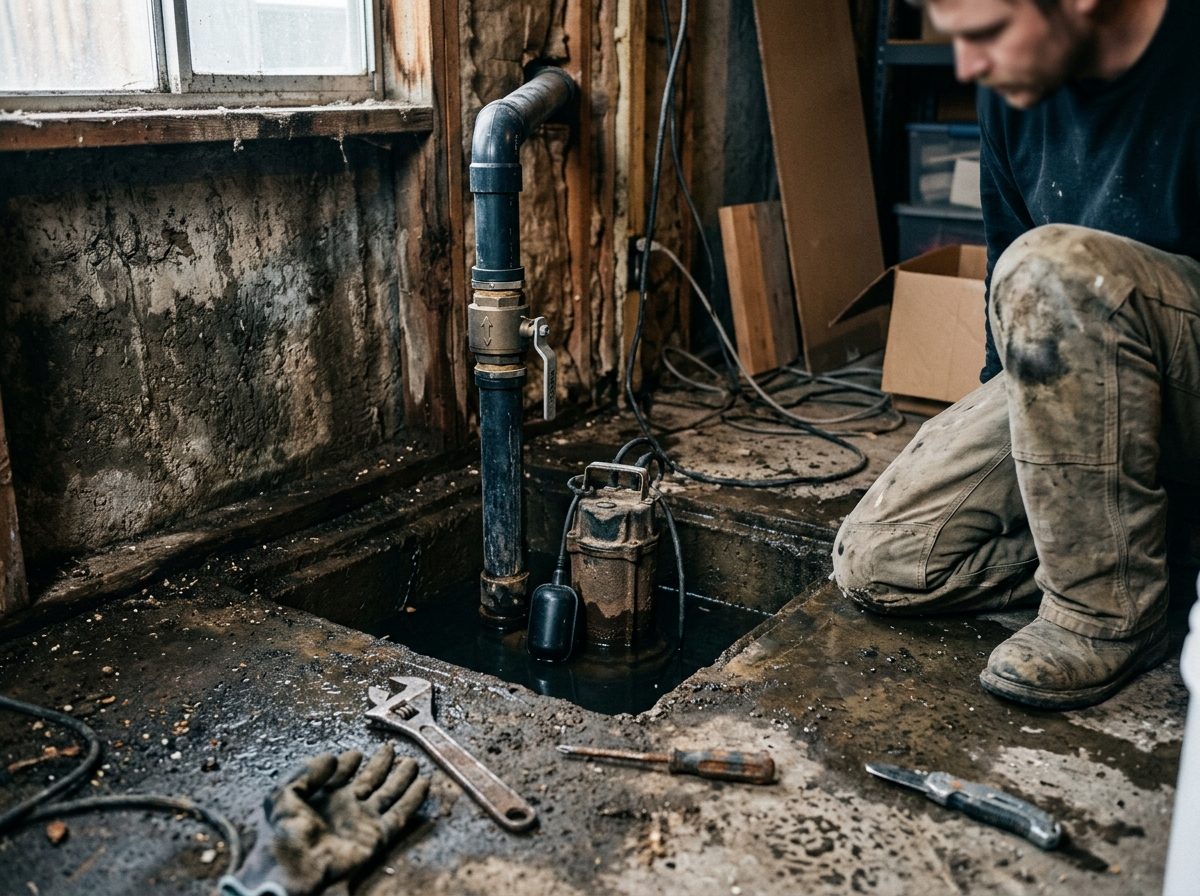
Hard water does the slow damage
Water in this corridor carries a heavy mineral load, and its cost is spread thin enough that most households never attribute it correctly. Sediment collects in the heater and insulates the burner from the water above it; electric elements scale directly and fail early; aerators block, shower heads clog and toilet fill valves stiffen until they start to weep.
Flushing the heater annually is the highest-return maintenance job in the house. If you are considering treatment, test the water first so hardness is a number rather than an impression, and size any softener to the household — oversized equipment costs more to buy and run for no additional benefit.
Basements, sumps and spring melt
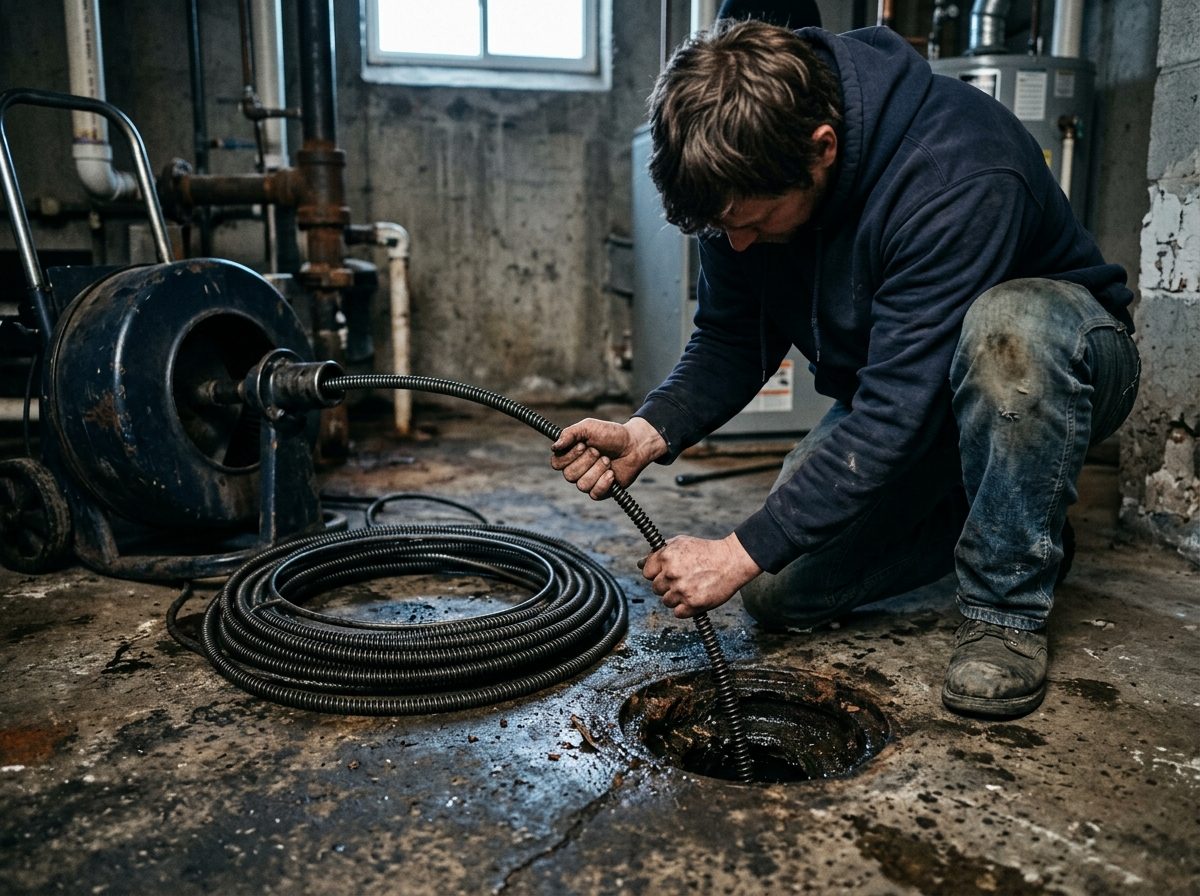
Full basements are standard here and many are finished, which raises the cost of any water event considerably. The sump pump is the appliance least likely to have been tested and most likely to be needed abruptly, during a fast melt or a summer storm that outpaces the ground.
The test takes five minutes: pour two or three buckets into the pit and confirm the pump starts, clears the water and shuts off cleanly without short-cycling. If it hums without pumping, runs on, or does nothing at all, deal with it before the season rather than during it. In a finished basement, a battery backup or second pump is cheap against new flooring.
Pump not run since last spring? Test it with a bucket before the melt.
Ask about sump pumpsNo shelter from the wind
The Carbon Valley towns sit on open ground, and wind strips heat from exposed pipe far faster than the thermometer suggests. Frost runs deeper here than on sheltered streets in an older city, which matters for irrigation and shallow buried lines.
Irrigation is the seasonal certainty: a system not cleared with compressed air before the first hard freeze holds water at its low points and at the backflow device. Disconnect hoses too, since a connected hose holds water against the bib and defeats its frost protection, and open cabinet doors under sinks on exterior walls during the coldest nights.
Cold snap forecast? Hoses off and cabinet doors open prevent most of it.
Ask about freeze protectionChoosing materials when pipe gets replaced
When a significant amount of supply pipe is being replaced, the material question comes up, and it is usually presented as a simple preference when it is really a set of trade-offs worth understanding. Copper is rigid, long-established and tolerant of heat, but it is labour-intensive to install, it needs a joint at every direction change, and it is the material vulnerable to the pinhole failures aggressive water chemistry produces.
Cross-linked polyethylene — PEX — runs in long continuous lengths with far fewer joints, which matters because joints are where systems leak. It tolerates freezing better than copper does, flexing rather than splitting in many cases, and it can often be pulled through existing wall cavities with much less opening up. Against it: it needs protection from sunlight and from rodents in accessible voids, and the fitting system used matters more than the pipe itself.
In practice the decision is usually made by the building rather than by the material. A house where walls are already open during other work is a different proposition from one where the pipe has to be threaded through finished space, and in the second case the reduction in demolition tends to decide it. What is worth insisting on either way is that the layout be sized properly rather than simply copied — a repipe is the one opportunity to fix undersized runs and awkward routes, and reproducing the original mistakes in new material is a wasted opportunity.
Autumn short list
Irrigation cleared, hoses disconnected, sump pump tested, static pressure measured, heater flushed. One afternoon, and it removes most of what otherwise arrives as a January emergency.
Nearby communities
Firestone sits with Frederick and Dacono in the Carbon Valley, between Longmont and the Weld County farm towns.
Firestone, Colorado
Firestone plumbing questions answered
Because they were all installed at once. A subdivision built in one or two years gets the same appliances from the same supplier fitted by the same crews, so they age and fail together. Treat a neighbour’s failure as a prompt to check yours: age, rust at the fittings, damp underneath and how fast hot water runs out.
For most households the return shows up as longer heater and appliance life rather than anything obvious at the tap. Test first so hardness is a real number and you know whether iron is present, then size the equipment to the household and check there is a drain for the regeneration cycle.
Pour two or three buckets of water into the pit and watch. The float should lift, the pump should start, move the water out and shut off cleanly without cycling. If it hums without pumping, runs continuously or does nothing, deal with it now. Test in early spring and again before storm season.
Measure it with an inexpensive gauge on an outdoor spigot. Readings above the normal working range shorten the life of every valve, hose, fixture and appliance in the building, and the early signs are running toilets, dripping taps and a heater relief valve that discharges. If it reads high, look at the regulator.
Before the first hard freeze, which can arrive in October. Draining is not enough on most systems, because low points and the backflow device hold water gravity cannot move. On exposed ground the wind makes an early blowout more important rather than less.
Same-day is normal and a couple of hours is common for urgent problems, with Longmont and the Front Range corridor close. During a regional cold snap every plumber is on split lines at once, so expect an honest window plus instructions on what to shut off while you wait.
It absorbs the pressure rise created when water heats and expands in a closed system. When the bladder inside fails, that pressure has nowhere to go, which commonly shows up as a relief valve discharging periodically or fittings weeping. It is an inexpensive part and worth checking whenever pressure symptoms appear.
Change the exposure rather than just thawing it. Insulate the run, seal the air leaks letting wind reach it, and disconnect hoses from bibs on that wall. Where rerouting into heated space is impractical, heat tape correctly installed and actually plugged in is the fallback.
They trade off differently rather than one being better. PEX runs in long lengths with far fewer joints, tolerates freezing better, and usually needs much less opening up of finished walls. Copper is rigid and long-established but labour-intensive and vulnerable to pinholes in aggressive water. In a finished house the reduction in demolition usually decides it.
It can, if the existing pipe is undersized or restricted — but only if the new layout is sized properly rather than copied. That is the part worth insisting on: a repipe is the one chance to fix narrow runs and awkward routes, and reproducing the original mistakes in new material spends the money without gaining the benefit.
The Carbon Valley, any hour
Firestone, Frederick, Dacono, Longmont and Erie.
(833) 621-2904 — answered 24/7, statewide.