Plumber in Boulder, CO — one call, any hour
Home / Areas / Boulder County / Boulder
Boulder's housing runs from Victorian brick near the centre to architect-built houses on the western edge, with decades of infill and remodelling layered over both. That mix produces a specific pattern of plumbing work: original pipe that has outlived its expectations, sitting behind finishes nobody wants opened, in houses that are frequently occupied by tenants rather than owners.
Old brick, new glass, everything between
Central Boulder's older houses were plumbed with cast-iron drains, clay sewer laterals and galvanised steel supply lines. Each fails in its own recognisable way. Galvanised pipe closes up internally until two fixtures cannot run together and water runs discoloured after a few days away. Cast iron roughens and holds waste at the low points, so a drain slows, clears and slows again. Clay laterals crack and admit roots at every joint, and the mature trees along these streets guarantee a supply of them.
Layered over that is a long history of remodelling. Kitchens and bathrooms have been moved, additions built, basements finished, and each round of work left its own fittings and routing behind the plaster. That is why a Boulder plumbing job is often as much investigation as repair, and why the first visit sometimes ends with a plan rather than a fix.
Newer construction on the west and south sides has the opposite profile: nothing has aged out yet, and the problems are specification and installation — pressure set high, tankless units sized without regard for winter incoming temperatures, and radiant systems that were commissioned once and never looked at again.
Heavily used housing
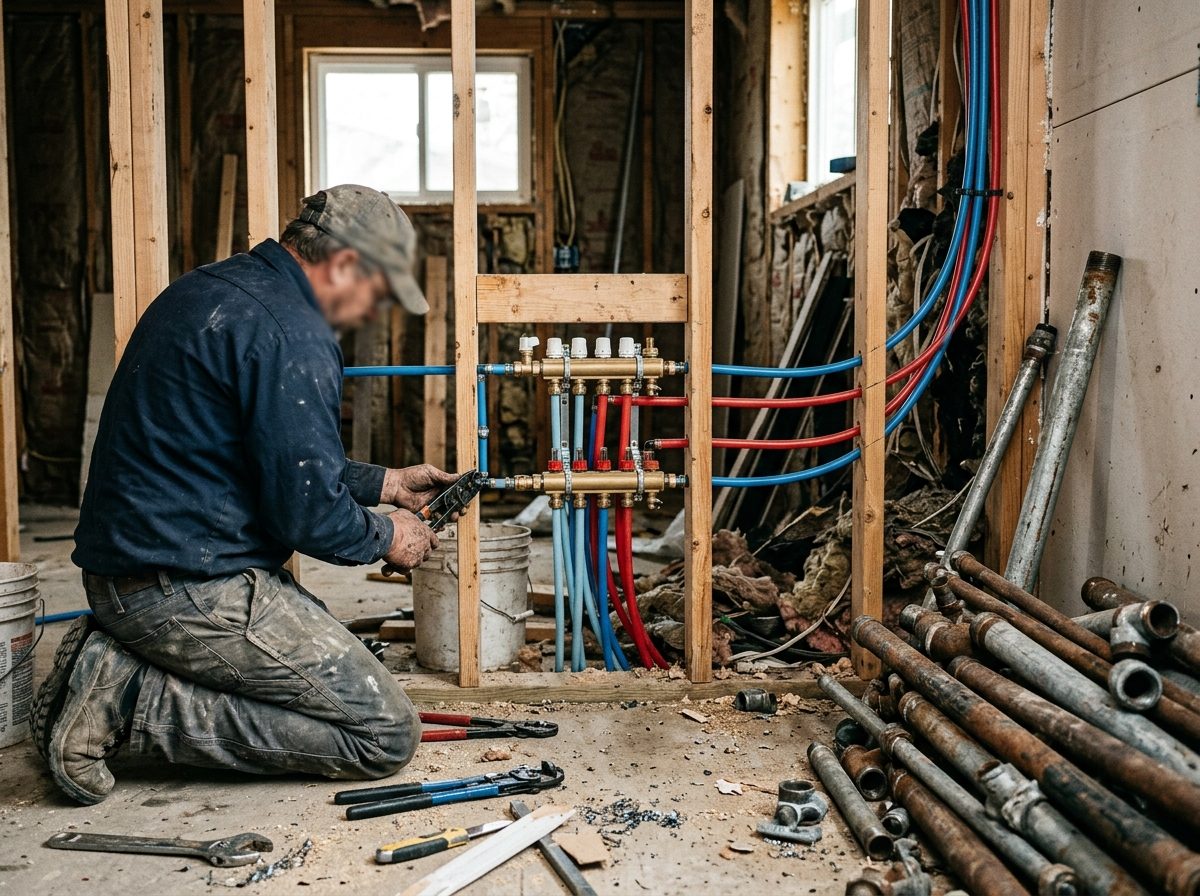
A large share of housing here is rented, much of it to students, and heavily used plumbing behaves differently from lightly used plumbing. Drains that have been plunged for years but never properly cleared. Disposals fed things they cannot process. Toilets running for weeks because the person living there does not see the water bill. Supply hoses on washing machines that are older than the tenancy.
For owners and managers, the pattern argues for scheduled work at turnover rather than emergency response mid-tenancy: clear the main drains, renew tired toilet internals, replace old washer hoses, and confirm the water heater's age and condition. For tenants, the two things that matter are knowing where the shutoff is and reporting small leaks immediately, because the same drip becomes a much larger problem once it is inside a wall.
Turning over a rental?One scheduled visit can cover the drains, hoses, toilets and heater check.
Book a turnover visitNo heat, or one cold zone? Note what the boiler gauge reads when the system is hot.
Ask about a boiler problem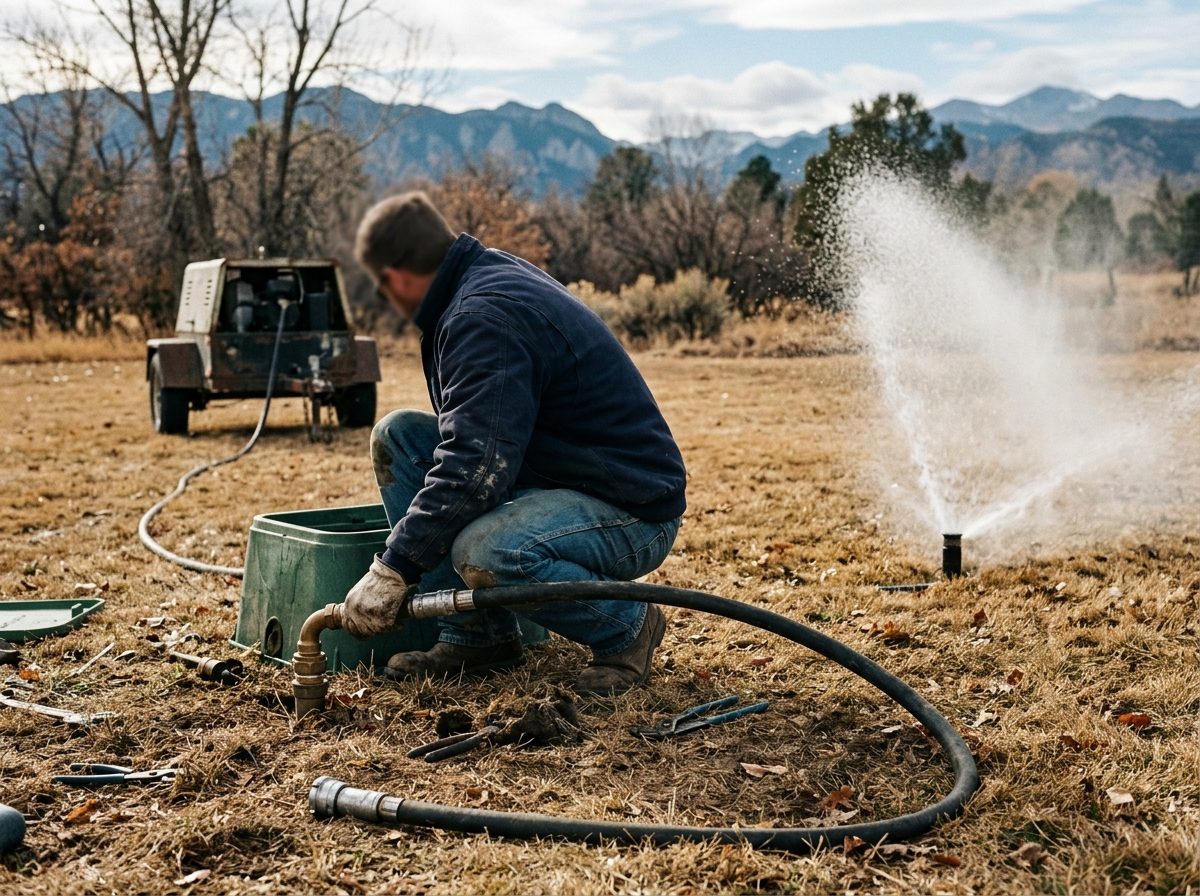
Boilers and radiant floors
Hydronic heat is more common in Boulder than in most Front Range cities — older houses with cast-iron radiators, and newer ones with radiant floors. It is a good system and it fails in ways that forced-air homeowners find unfamiliar. No heat at all. One zone cold while the rest works. A pressure relief valve that keeps discharging water near the floor, which usually means system pressure is climbing — a failed expansion tank, a stuck fill valve, or overheating.
None of those are things to cap, ignore or wait out. If your boiler gauge climbs when the system is hot, say so when you call: it is the single most useful diagnostic detail you can offer over the phone, and it decides how urgent the visit is.
Bill up, nothing visible? Run the meter test first, then call with the result.
Ask about finding a leakFinding a leak in an expensive finish
Boulder houses tend to have finishes worth protecting, which makes non-destructive leak detection more valuable here than the price difference suggests. Acoustic listening, thermal imaging and moisture mapping locate water through plaster, tile and hardwood, so the only opening made is the one needed for the repair.
Before anyone arrives, you can narrow it down yourself. Run the meter test: shut every fixture, note the meter reading and the position of the low-flow indicator, then read it again an hour later with nothing touched. Movement means water is leaving the system. Then close the main shutoff at the house and repeat — if the meter still moves, the leak is in the buried service line rather than inside the building. That single hour of work saves real money on the visit.
Rule out the cheap thing first
A failed toilet flapper passes water continuously and silently, and it explains a surprising share of mysterious bills. Put a few drops of food colouring in the tank, wait twenty minutes without flushing, and if colour appears in the bowl you have found it for the price of a part.
Nearby communities
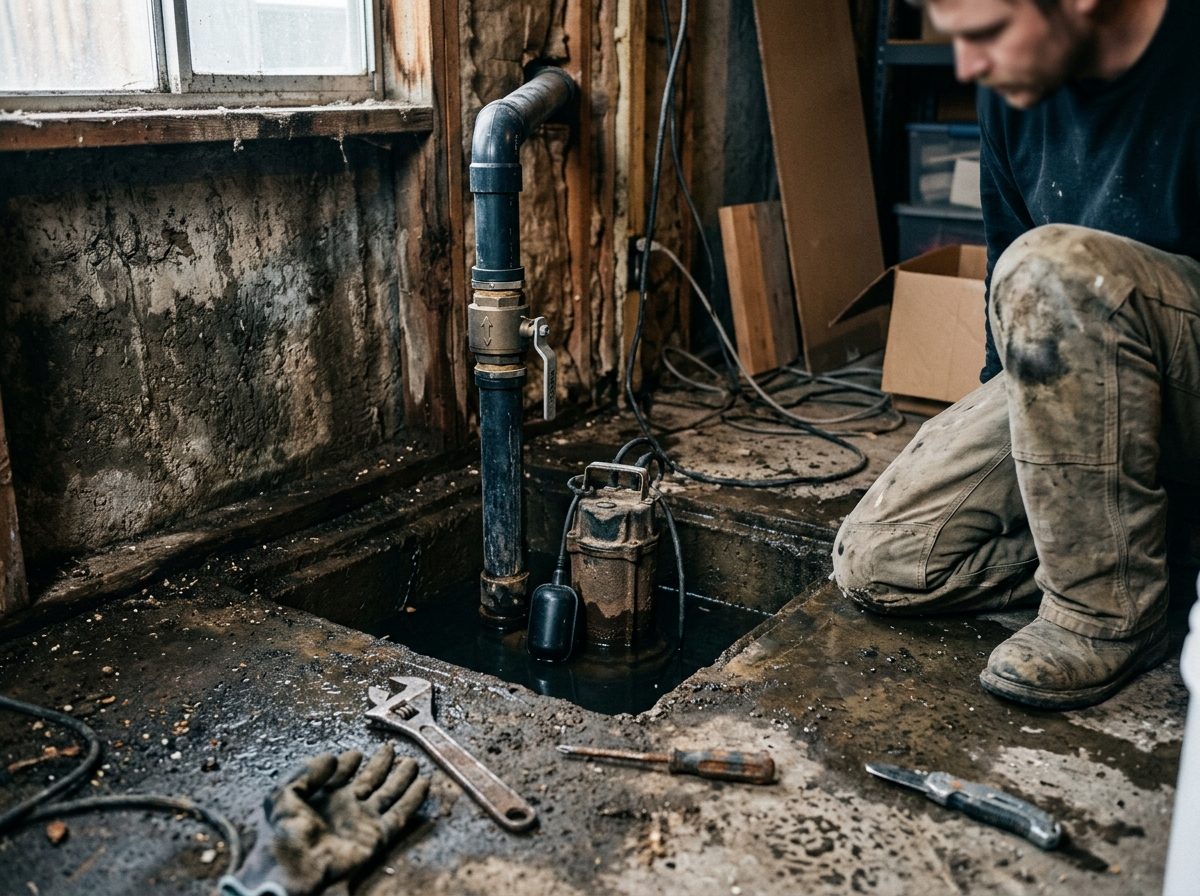
Boulder sits at the mouth of several canyons, with the rest of the county spread north, east and uphill from it.
Boulder, Colorado
Boulder plumbing questions answered
Galvanised steel supply pipe is the usual suspect. It corrodes internally and the bore narrows over decades, so the upper floor — furthest from the supply — suffers first and worst. Testing pressure at an outdoor hose bib tells you what is arriving at the property; if that reads normal, the pipe inside is the constraint, and repiping the affected runs is the durable fix.
That is exactly what leak detection is for. Acoustic equipment hears escaping pressurised water through finishes, thermal imaging finds temperature differences behind surfaces, and moisture meters map how far the water has travelled. The opening that follows should be the one needed for the repair, in the place the equipment identified, rather than exploratory demolition.
That is the pressure relief valve doing its job, which means system pressure is going too high. Common causes are a failed expansion tank, a fill valve that is not closing, or the system overheating. It is not something to plug or ignore. Note whether the boiler gauge climbs as the system heats up, because that detail speeds up the diagnosis considerably.
Clear the main drains rather than waiting for a blockage, replace washing machine supply hoses more than a few years old, renew worn toilet internals, and check the age and condition of the water heater. That short list prevents most of the emergency calls, and doing it while the property is empty is both cheaper and less disruptive.
Same-day is normal in town and a few hours is common for urgent problems. Canyon addresses west of the city are a different matter, because access rather than distance decides it — road conditions, ice and private drives all affect whether a service truck can get there. During a hard freeze the whole county is busy simultaneously.
It is moderate rather than extreme, so most households manage fine without treatment. The practical maintenance is flushing the water heater annually to clear sediment and cleaning aerators when flow drops at one tap. If you want to make a decision on evidence rather than impression, a water test costs very little.
Gurgling usually points at venting rather than a straightforward blockage. A drain that cannot draw air properly pulls it through the trap instead, which is what makes the noise and slows the flow. Causes include a blocked vent stack, a partly blocked branch, or a fixture added during a remodel without adequate venting — all worth diagnosing rather than treating with drain products.
Get a camera down the sewer lateral before closing. In a neighbourhood of clay pipe and mature trees it is the system most likely to have a problem, and a standard home inspection does not look inside it. Add a static pressure reading and the water heater age, and you have covered most of the real financial risk.
Common in older housing, and worth dealing with before it matters. A valve that has not been moved in twenty years can seize, and forcing it is how a dry problem becomes a wet one. Do not keep turning it. Have it replaced as planned work while the water can still be shut off at the street, and locate the street valve at the same time so the position is known.
Boulder County, day or night
Boulder, Longmont, Louisville, Lafayette, Niwot and the canyon communities above them.
(833) 621-2904 — answered 24/7, statewide.