Plumber in Eldorado Springs, CO — one call, any hour
Home / Areas / Boulder County / Eldorado Springs
Eldorado Springs is a small community packed into a narrow canyon, largely made up of older cottages on tight lots. Both of those facts shape a plumbing call more than the fault itself does: the pipe is old and much altered, and getting equipment to it is frequently the hardest part.
A narrow canyon full of old cottages
Much of the housing is small, old and has been extended or altered repeatedly by successive owners. Plumbing that grew that way tends to have long runs in awkward places, fittings inside walls nobody recorded, and sections whose diameter changes for no reason anyone remembers.
That makes diagnosis a genuine part of the work rather than a preliminary. The most useful thing an owner can offer is history — what was added when, what has been worked on before — and small clues: which fixtures are affected and which are not narrows the search considerably before anything is opened up.
Damp with no obvious source? Note which fixtures are affected and which are not.
Ask about tracing a leak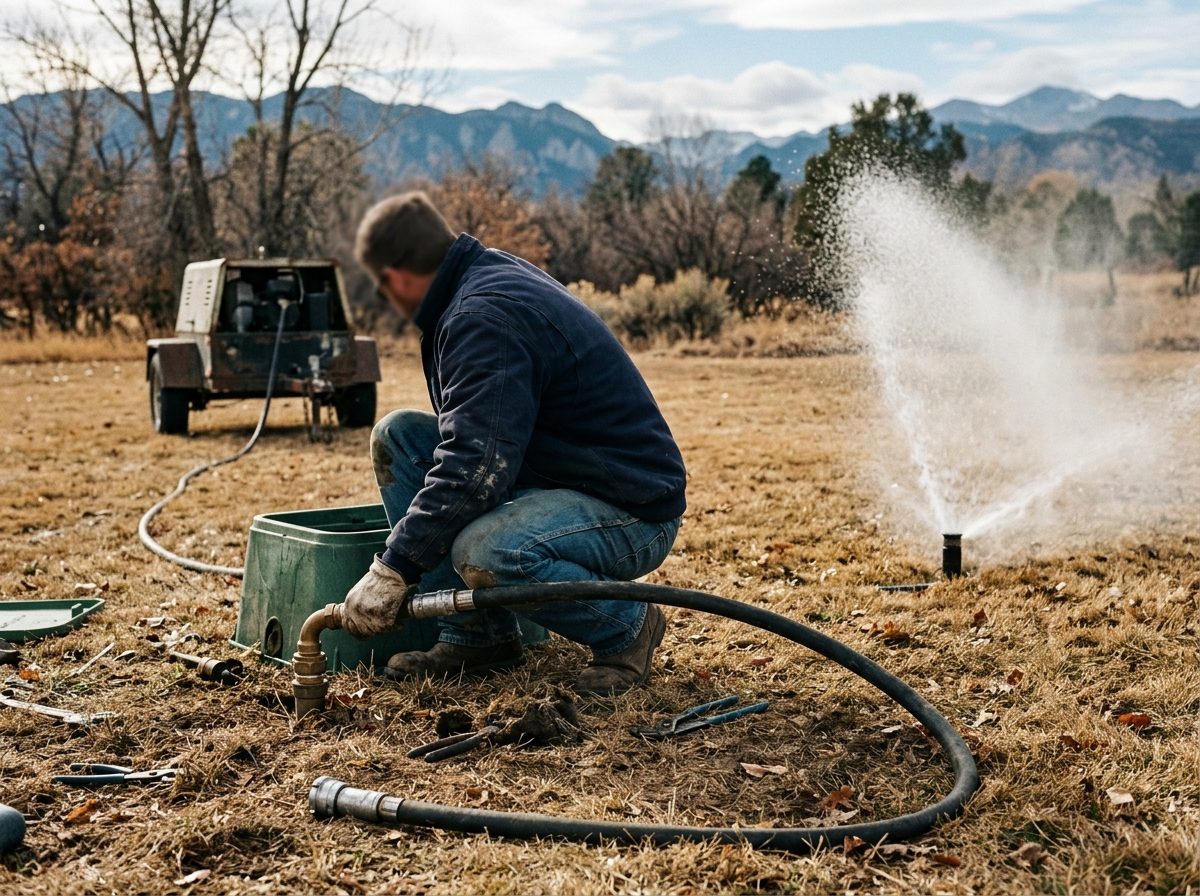
Access shapes the job
Buildings here sit close together on a narrow canyon floor, on lanes that were never laid out for service vehicles. Practically that means limited parking, crawlspaces entered from outside, steps instead of paths, and equipment that sometimes has to be carried rather than wheeled.
Say all of that when you call. How many steps, whether a van can stop near the door, whether the crawlspace hatch is inside or out. It determines who takes the job, what they bring, and whether the work happens on the first visit rather than the second.
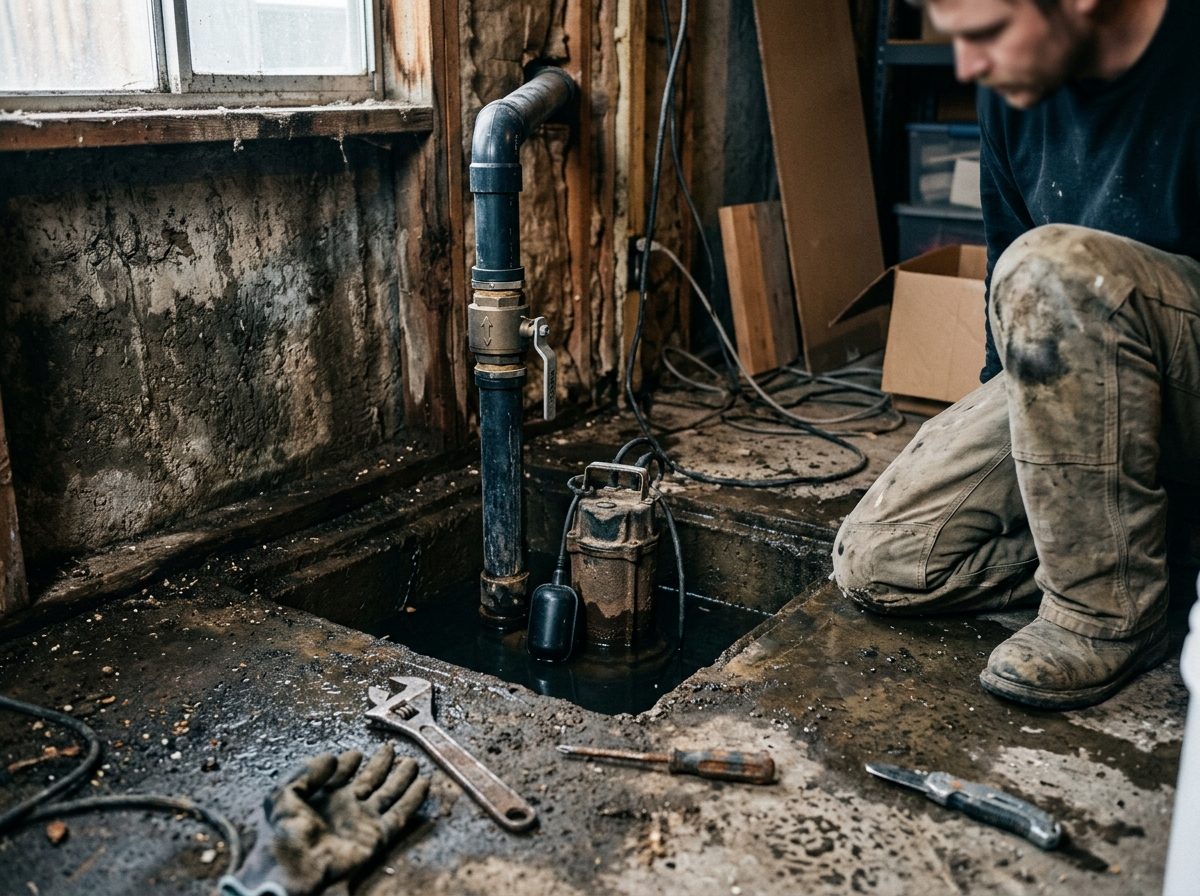
Finding a leak in old construction
In houses of this age, leaks are usually at old fittings behind finished surfaces. Non-destructive detection is therefore worth more than the price difference suggests: acoustic listening, thermal imaging and moisture mapping locate water through plaster and tile, so the only opening made is the one the repair actually needs.
You can narrow it yourself first. Rule out toilets with a few drops of food colouring in the tank — a failed flapper passes water silently and explains a surprising share of mystery bills. Then run the meter test: everything off, note the meter and the low-flow indicator, read again an hour later. Movement means water is leaving the system.
Bill up, nothing visible? Run the meter test first, then call with the result.
Ask about finding a leakShade, cold air and short days
A narrow canyon leaves parts of the community in shade for much of a winter day, and cold air drains downhill and settles on the canyon floor overnight. Pipe in crawlspaces, under decks and against north walls therefore stays cold far longer than the daily high suggests.
Where a run has frozen once it will freeze again unless the exposure changes, so insulation and air sealing come before heat tape, and existing tape needs testing before the season rather than after a failure. Where a branch is not needed through winter, isolating and draining it removes the risk altogether.
Line stopped flowing? Close the main shutoff before anything gets thawed.
Ask about a frozen pipeArriving at a cold cottage
Close the main shutoff before applying heat anywhere. A pipe that has already split starts leaking the moment it thaws, and with the water off you keep control of what happens next.
Ground water on the canyon floor
The canyon floor sits close to the creek, and that proximity shows up in the plumbing as moisture rather than as leaks. Crawlspaces that are dry in October can hold standing water in May, and the water is not always coming from a pipe. Distinguishing ground water from a plumbing failure is the first useful piece of diagnosis here, because the two call for completely different work.
The distinction is usually made by timing and by cleanliness. Ground water arrives with the season, appears across a broad area of the crawlspace floor rather than at one point, and is clear. A supply leak runs at the same rate regardless of the month and traces back to a fitting. A drain leak smells, and it runs only when a fixture upstream is used. Anyone can narrow this before making a call simply by noting when the water appears and whether running a tap changes anything.
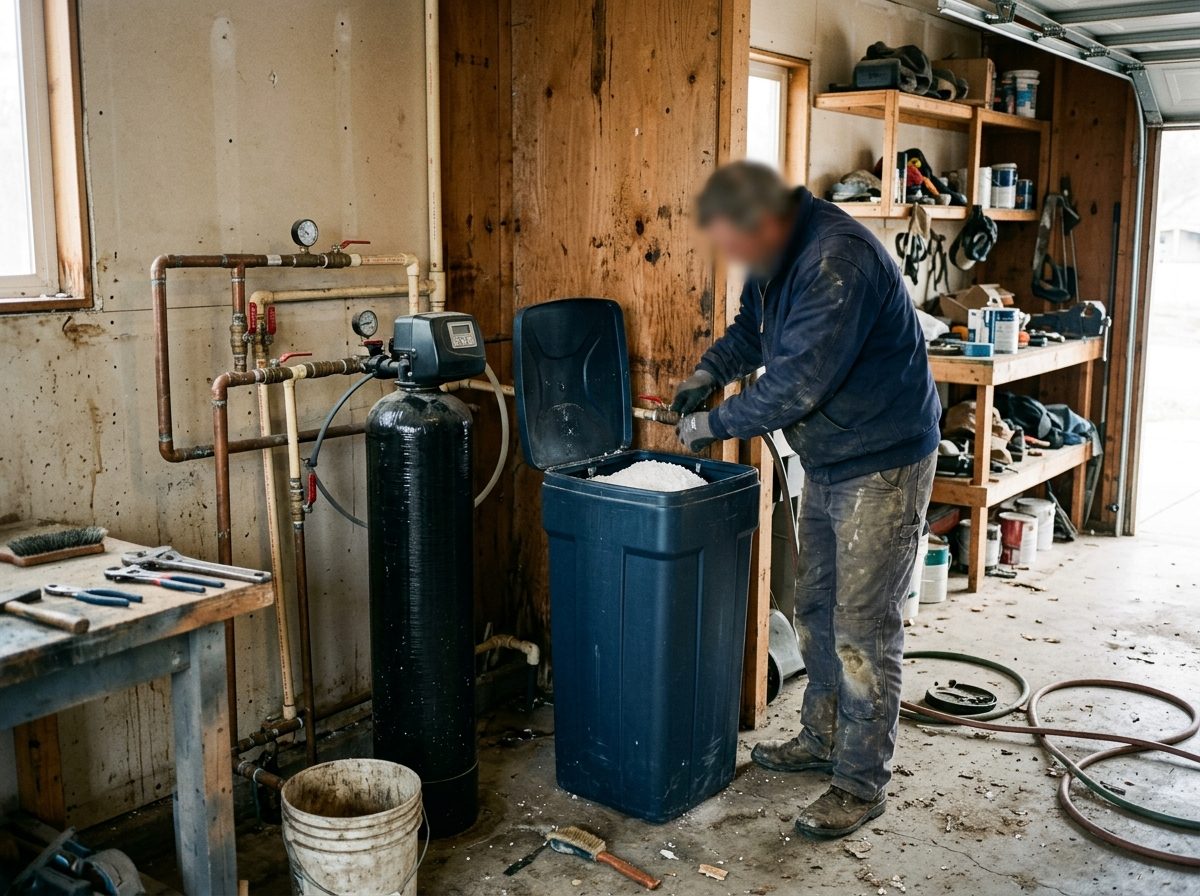
Where the answer is ground water, the plumbing response is drainage rather than repair: a properly sized pit, a pump that can be reached and serviced, a discharge line that carries water far enough from the building not to return, and a check valve so the pit does not refill itself. Pumps in this situation sit idle for months and then run for weeks, which is the hardest duty cycle there is, so testing one before runoff starts matters more than its specification.
Nearby communities
Eldorado Springs sits in a narrow canyon south-west of Boulder, with Louisville, Lafayette and Nederland within reach.
Eldorado Springs
Eldorado Springs questions answered
Because narrow lanes, limited parking, steps and outside-entry crawlspaces determine what equipment can physically reach the work. A drain machine or camera reel that cannot get to the cleanout is no use. Describing the approach when you call means the right person and kit turn up first time.
That is exactly what leak detection is for. Acoustic equipment hears escaping pressurised water through finishes, thermal imaging finds temperature differences behind surfaces, and moisture meters map how far water has travelled. The opening that follows should be the one the repair needs.
It depends how the joins were made. Dissimilar metals connected without the correct fitting corrode where they meet, and undersized replacement sections throttle flow through the rest of the run. Mixed material is common in old housing; badly made transitions are what leak.
Because cold air sinks and pools on a canyon floor, and a narrow canyon also keeps parts of the community in shade for much of a winter day. Pipe that would be fine a few miles away is not necessarily fine here, which is why exposure matters more than the forecast implies.
Rule out toilets first with food colouring in the tank — twenty minutes, no flushing, and colour in the bowl means a failed flapper. Then run the meter test: shut everything off, note the meter and low-flow indicator, and read again an hour later. Movement means water is leaving the system.
Usually same-day for urgent problems, since Boulder is minutes away. Winter conditions on the canyon road and the tight access are the variables rather than distance. You will get an honest window plus instructions on what to shut off while you wait.
Change the exposure rather than just thawing it. Insulate the run, close the gaps that let cold air circulate around it, and where possible reroute into heated space. Heat tape is the fallback where rerouting is impractical, and it needs testing each autumn rather than assuming.
Frequently, where the existing layout is a patchwork of eras and materials. Replacing the plumbing along a sensible route can cost less over a decade than repeated repairs to runs nobody fully understands. Start with an assessment and a staged plan rather than committing to everything at once.
Often not. Seasonal damp that appears with runoff, spreads across the floor rather than pooling at one spot, and disappears in summer is usually ground water. A plumbing leak is indifferent to the calendar. Note when it starts, whether it is clear, and whether it changes when you run water in the house — those three answers usually settle it without anyone lifting a floor.
It depends on what is below it. Where the pit protects finished space or mechanical equipment, a battery backup earns its cost the first time the power fails during a storm, which is exactly when the pump is needed most. Where the crawlspace is unfinished and nothing of value sits on the floor, a single well-maintained pump and an annual test before runoff is a reasonable position.
South-west of Boulder
Eldorado Springs, Boulder, Louisville and Lafayette.
(833) 621-2904 — answered 24/7, statewide.