Plumber in Loveland, CO — help on the phone at any hour
Home / Areas / Northern Colorado / Loveland
Loveland has an old centre, decades of suburban growth around it, and a western edge that runs up toward the foothills. That spread means the plumbing questions here range from century-old pipe to houses where nothing has aged out yet — and the water chemistry is the one thing every address shares.
Old centre, new edges, foothills west
The older neighbourhoods carry galvanised steel supply lines that have narrowed internally, cast-iron drain sections, and clay sewer laterals with a joint every few feet. The symptoms are consistent: flow that collapses when two fixtures run, discoloured water after a few days away, and drains that clear briefly then slow again.
Suburban Loveland behaves in cohorts — streets built in the same couple of years reach the end of their heater and regulator lives together. Out west toward the canyon mouths, add wells and pressure tanks to the list, and access that can matter in winter.
Not sure what era your pipe is? Say the year the house was built — it narrows the list quickly.
Ask what to check first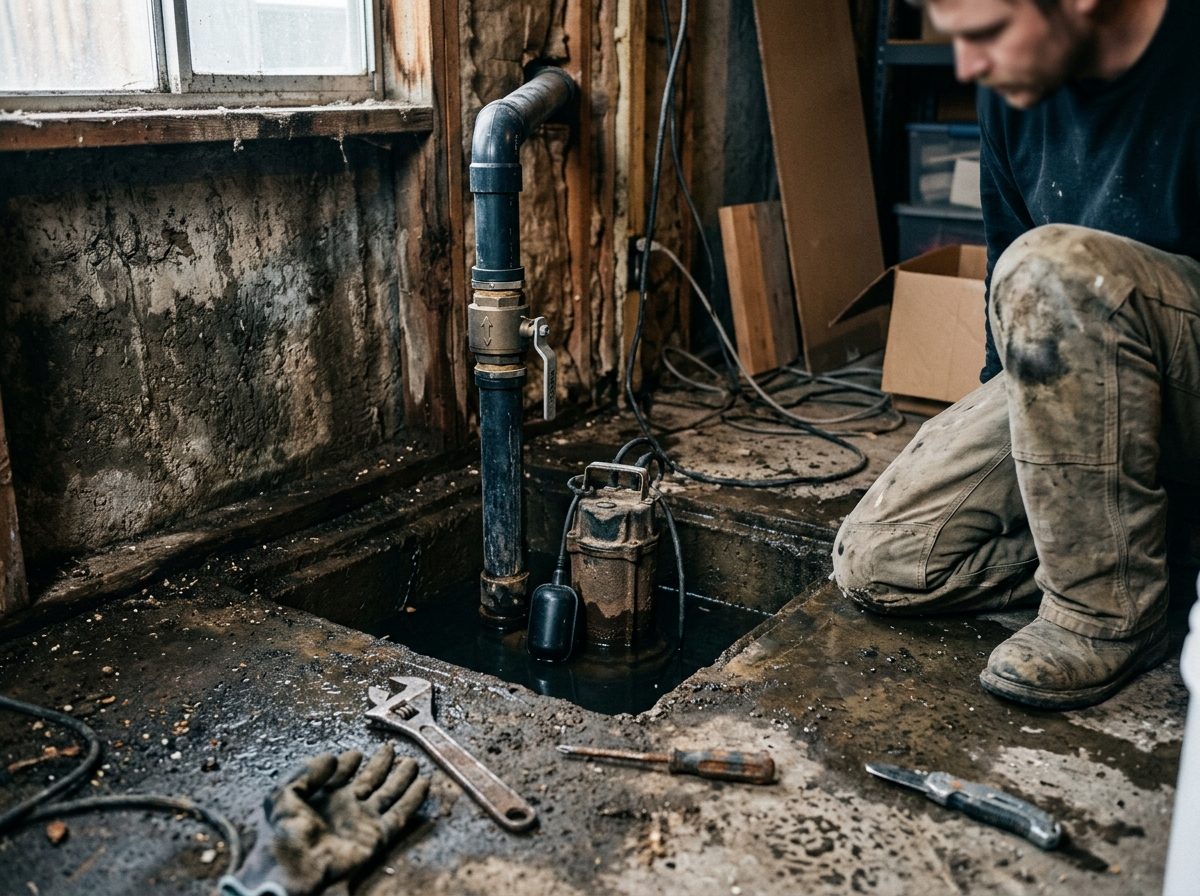
Hard water is the recurring cost
Northern Colorado water carries a substantial mineral load, and its cost is spread thin enough that most households never attribute it correctly. Scale settles in the bottom of the water heater and insulates the burner from the water, so run times lengthen and the tank ages faster than the label promises. On electric units it coats the elements directly. Aerators clog, shower heads block, fill valves stiffen and appliances wear.
Maintenance beats equipment as a first move: flush the water heater annually and clean aerators when flow drops at a single tap. If you are considering treatment, test the water first so hardness is a number and you know whether iron is present, because that changes what equipment is appropriate — and size any softener to the household rather than to the largest unit on the shelf.
Irrigation, hose bibs and wind
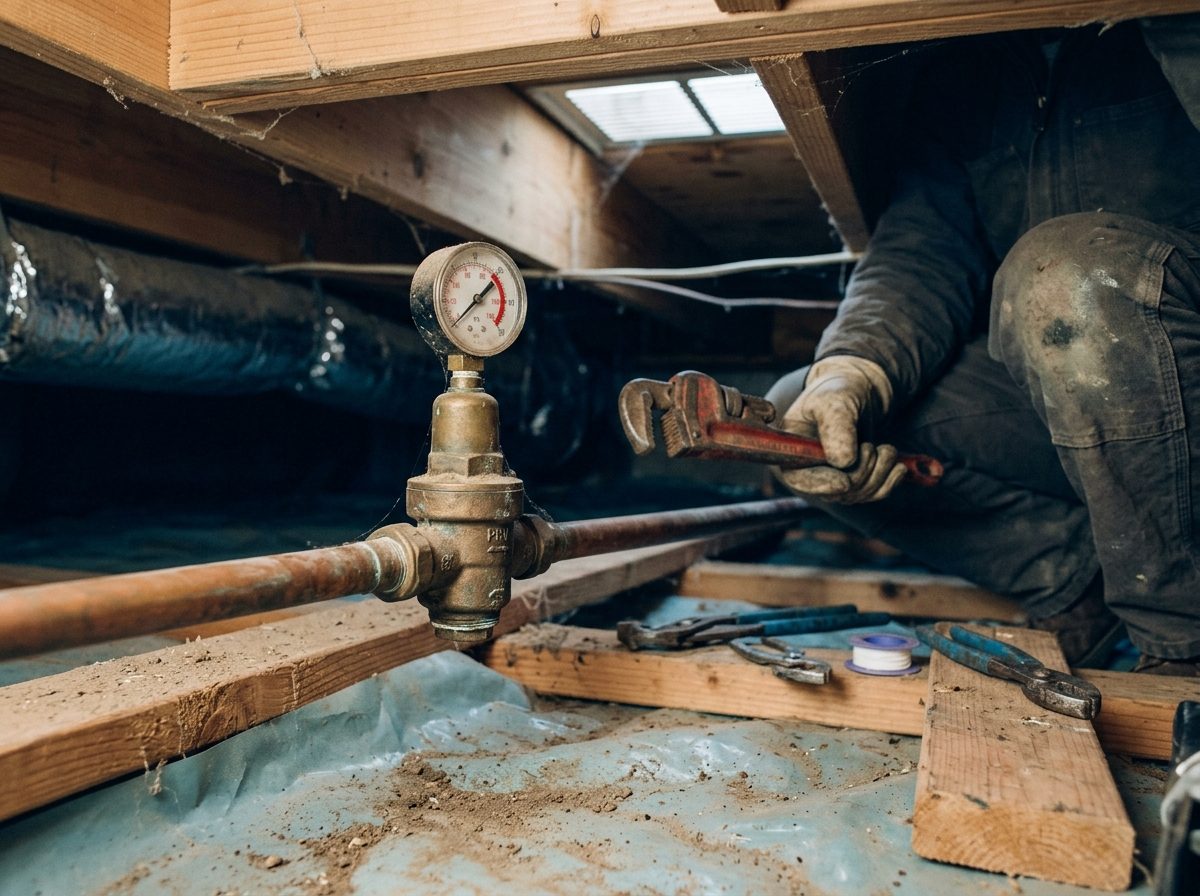
Wind matters here more than the thermometer suggests. Exposed lines on open lots lose heat fast, so pump houses, outbuildings and anything in an unheated crawlspace freeze before an equivalent pipe on a sheltered street in town.
Irrigation is the seasonal certainty. Systems not blown out with compressed air before the first hard freeze hold water at their low points and at the backflow device, and that is where the spring surprise appears. Disconnect hoses in October too, since a connected hose holds water against the bib and defeats its frost protection.
Irrigation not blown out yet? Compressed air clears what draining cannot reach.
Ask about winterisingDrain closing up again? Jetting cleans the pipe wall; cabling only makes a hole.
Ask about a recurring drainDrains and laterals
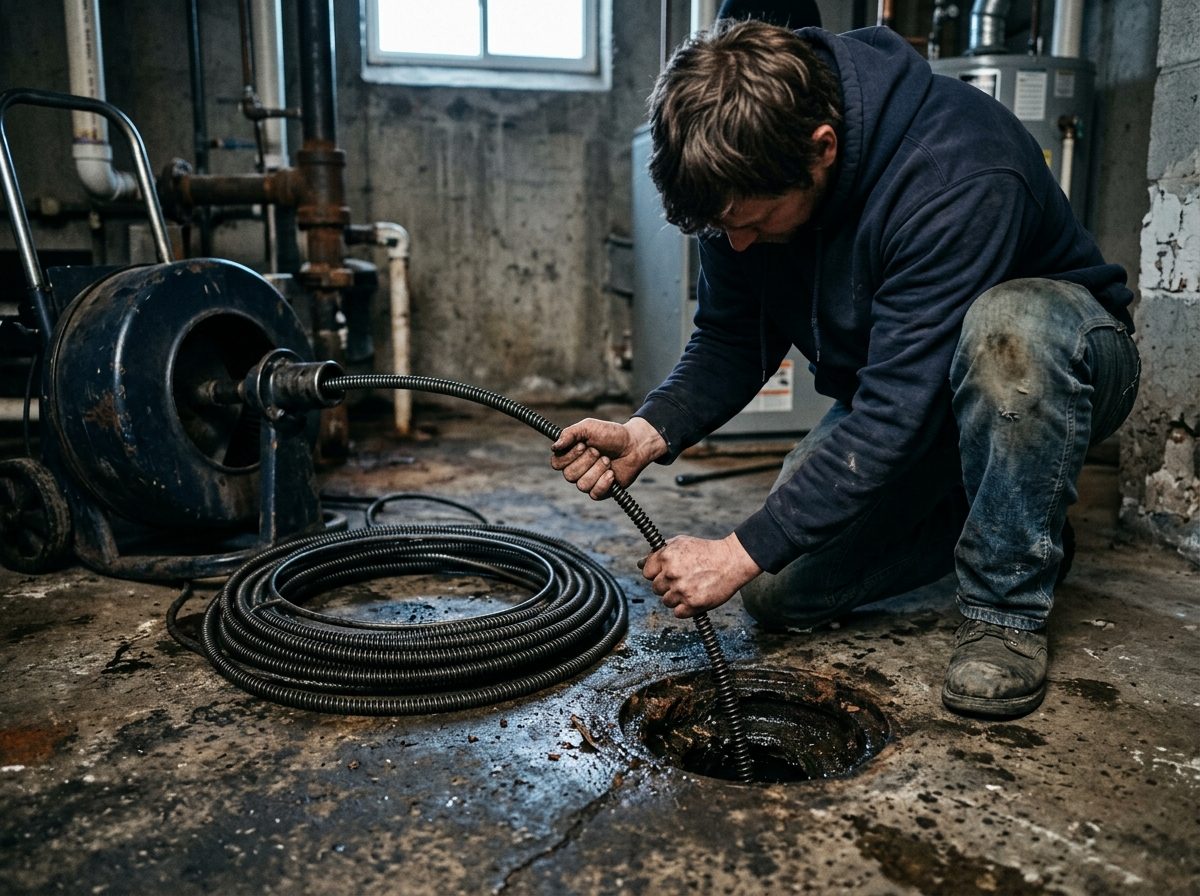
Kitchen drains in mid-century housing tend to close up gradually as grease and scale build on the pipe wall. Cabling restores flow without cleaning the pipe, which is why the same drain blocks again months later; jetting scours the wall back toward its original bore and lasts considerably longer.
On the sewer side, a blocked main shows itself at the lowest opening in the house — the basement floor drain or the lowest toilet — rather than at the fixture you were using. If that happens, stop putting water into the house and get the line cleared and then camera inspected, because clearing restores flow while the camera explains why it stopped.
Leaks under a slab
Where a house is built on a concrete slab with supply pipe run beneath it, a leak in that pipe is both harder to find and more expensive to reach than the same failure in a wall. It also announces itself differently, which is why it often goes unrecognised for a long time. The tell-tale signs are indirect: a warm patch on the floor, a water bill that has climbed without explanation, the sound of running water with every fixture shut off, or an unexplained damp smell.
The important thing is that it can be located before anything is broken. The area can be narrowed acoustically, and sections of the system can be isolated and pressure-tested to establish which line is losing water, which turns an unknown area of floor into a specific spot. That matters because in a slab repair the cost is mostly in the opening and closing rather than in the pipework itself, so the difference between a targeted opening and an exploratory one is the difference between two very different bills.
There is usually a choice of approach as well, and it is worth asking about both. The line can be opened, repaired and the slab made good, which is the direct answer. Or the run can be abandoned and rerouted — overhead or around — which avoids breaking the floor entirely and is frequently the better option where the existing pipe is old enough that the next failure is a question of when. Where a house has already had one failure under the slab, that argument gets considerably stronger.
Worth doing this year
Flush the water heater and check the main shutoff turns. In hard-water country the flush is the highest-return maintenance job available, and a shutoff that will not close is the worst thing to discover during a burst pipe.
Nearby communities
Loveland sits between Fort Collins and the Berthoud–Longmont corridor, with the Larimer County foothills immediately west.
Loveland, Colorado
Loveland plumbing questions answered
For most households the return shows up in water heater and appliance life rather than anything obvious at the tap. Test the water first so hardness is a real number and you know whether iron is present, then size the equipment to the household. Check too that there is a practical place to plumb the loop and a drain for the regeneration cycle.
It can be, but sediment is more common in a hard-water area. A scale layer in the bottom of the tank insulates the burner from the water, so recovery slows and usable hot water shrinks. A flush often restores much of it. If the tank is a decade old, rusty at the fittings or damp underneath, plan a replacement instead.
Before the first hard freeze, which can arrive in October. Draining is not enough on most systems, because low points and the backflow device hold water gravity cannot move — compressed air is what empties them. Booking early in the season is also easier to schedule than calling in the busiest week.
Recurring blockages in the same place usually mean grease and scale on the pipe wall rather than one object in the way. Cabling punches through and restores flow but leaves the layer behind. Hydro jetting scours the wall back toward the original diameter, which is why it holds for much longer on a line that keeps closing.
Same-day is normal in town and a couple of hours is common for urgent problems. Addresses west toward Masonville and Drake, or up the canyons, add drive time and access can matter in winter. During a regional cold snap the whole corridor is busy at once, so expect an honest window.
Address the exposure rather than the pipe. Insulate the run properly, seal the air leaks letting cold air reach it, and close crawlspace vents that were opened in summer. Where rerouting into heated space is not practical, correctly installed heat tape that is actually plugged in is the fallback.
It points at the main lateral rather than a branch, because the floor drain is the lowest opening in the system. Stop running water into the house and get the line cleared, then camera inspected. The camera distinguishes roots at a joint from a section that has dropped out of alignment, and that decides the real options.
Yes. What changes is which trade is appropriate: everything from the pressure tank into the house is ordinary plumbing, while the pump, drop pipe and wiring down the casing are well-system work. Saying what the pressure gauge reads and whether the pump runs at all usually settles which one gets sent.
The signs are indirect: a warm spot on the floor, a bill that has risen with no change in use, the sound of water running with everything shut off, or a damp smell with no visible source. The meter test settles whether water is escaping at all. It can then be located acoustically before anything is opened, which is what keeps the repair targeted.
Northern Colorado, day or night
Loveland, Berthoud, Johnstown, Windsor and the Larimer County communities nearby.
(833) 621-2904 — answered 24/7, statewide.