Plumber in Timnath, CO — one call, any hour
Home / Areas / Northern Colorado / Timnath
Timnath is one of the newest towns in the state in practical terms — the great majority of its housing has gone up within the last two decades. That produces a plumbing profile with no old pipe in it at all, and a very specific list of things that actually go wrong.
Almost everything here is new
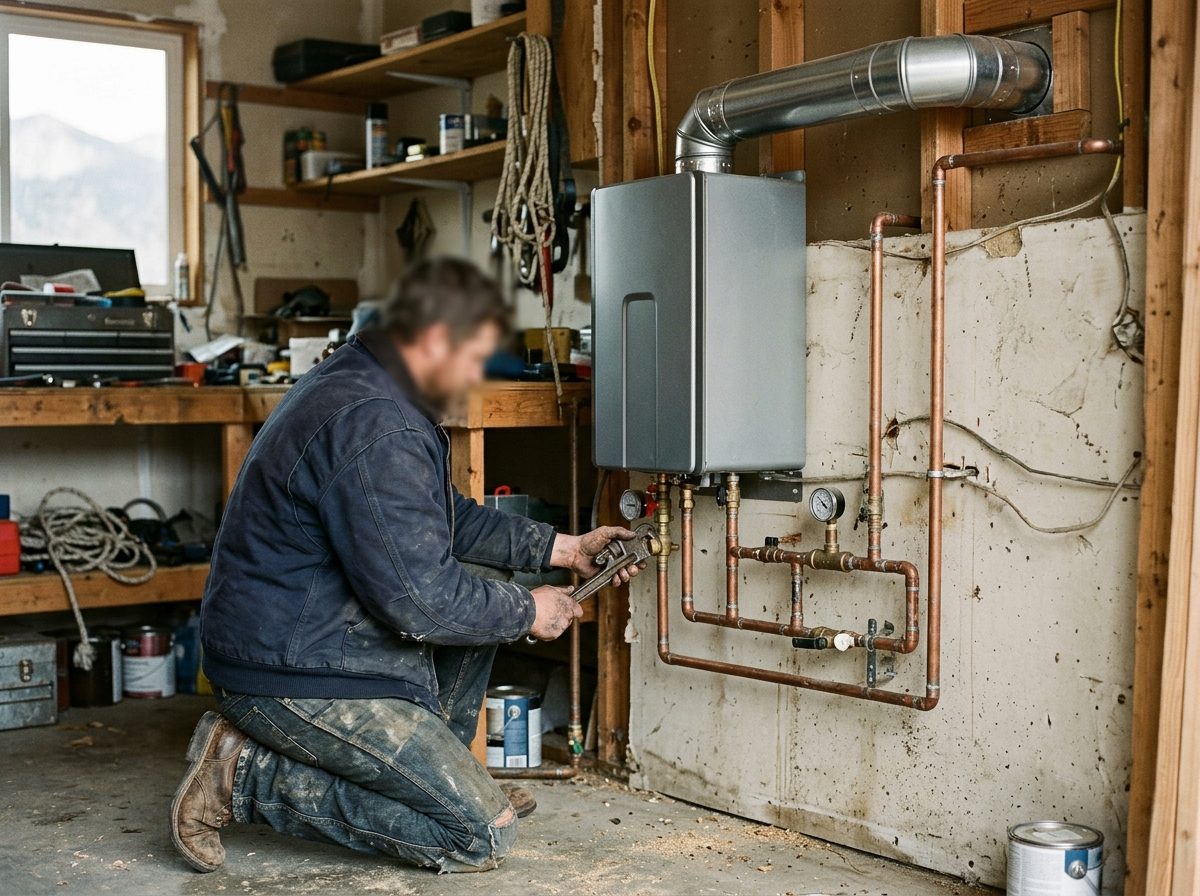
With modern supply pipe and modern drains, decay is not the issue. What fails instead are the small components fitted during construction: angle stops, flexible supply lines, toilet fill valves, washing machine hoses, expansion tanks and pressure regulators. Every one of them has a service life far shorter than the house, and every one of them lets go without warning.
Because whole streets were built in the same season by the same crews, those parts also fail in step. A neighbour's failure is genuinely predictive rather than coincidental, which is unusually useful information to have.
Neighbour had a fitting let go? On a street built in one year, that is worth acting on.
Ask what to check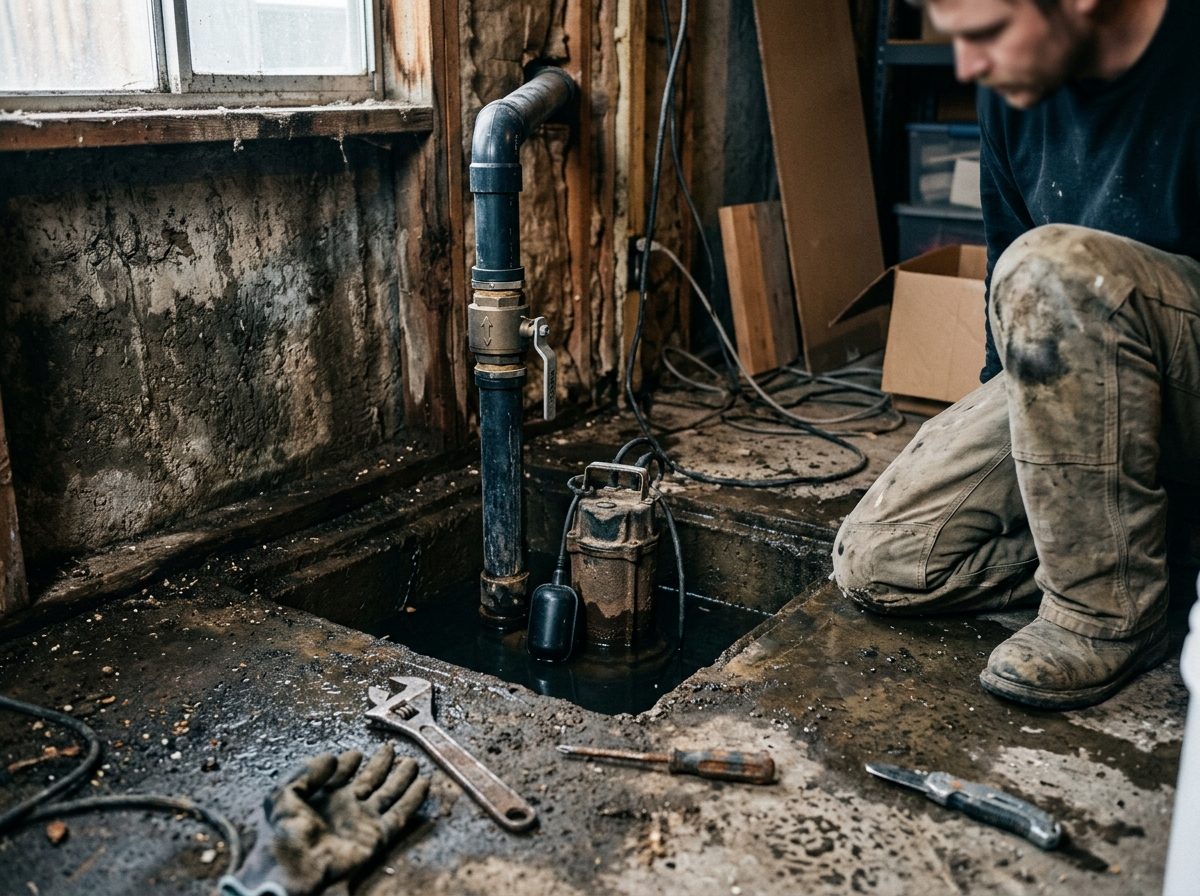
New does not mean nothing fails
Two things catch owners of newer houses out. The first is that a builder warranty covers a defined period and a defined list, and a component that wears out is generally not a defect — knowing which category your problem falls into before you make calls saves time.
The second is static pressure. It is the single most under-diagnosed problem in housing of this age. A regulator that has drifted or was never set correctly passes street pressure through to fixtures that were not designed for it, and the result looks like a run of bad luck: toilets running, taps dripping, a supply hose failing, a heater relief valve discharging. An inexpensive gauge on an outdoor spigot settles it in a minute, and correcting pressure protects everything behind it.
River-corridor lots and the water table
Timnath sits against the Cache la Poudre and the reservoir, and the lots closest to both sit on ground that holds water. A basement that has been dry for six years is not evidence of a dry site; it is evidence of six ordinary springs. When a heavy snowpack melts fast, or an irrigation season starts on saturated ground, the water table comes up and finds the weakest point in the foundation drainage.
That makes the sump system the part worth checking here rather than assuming. Pour a bucket into the pit and watch the float lift, the pump start promptly and the check valve hold when it stops. Confirm the discharge carries water well away from the house and not into a low spot beside the foundation, and on a finished basement consider a battery backup — pumps fail in the storm that needed them.
Basement pit untested this year? Five minutes and a bucket answers it.
Have the sump checkedBackflow devices, and who has to test them
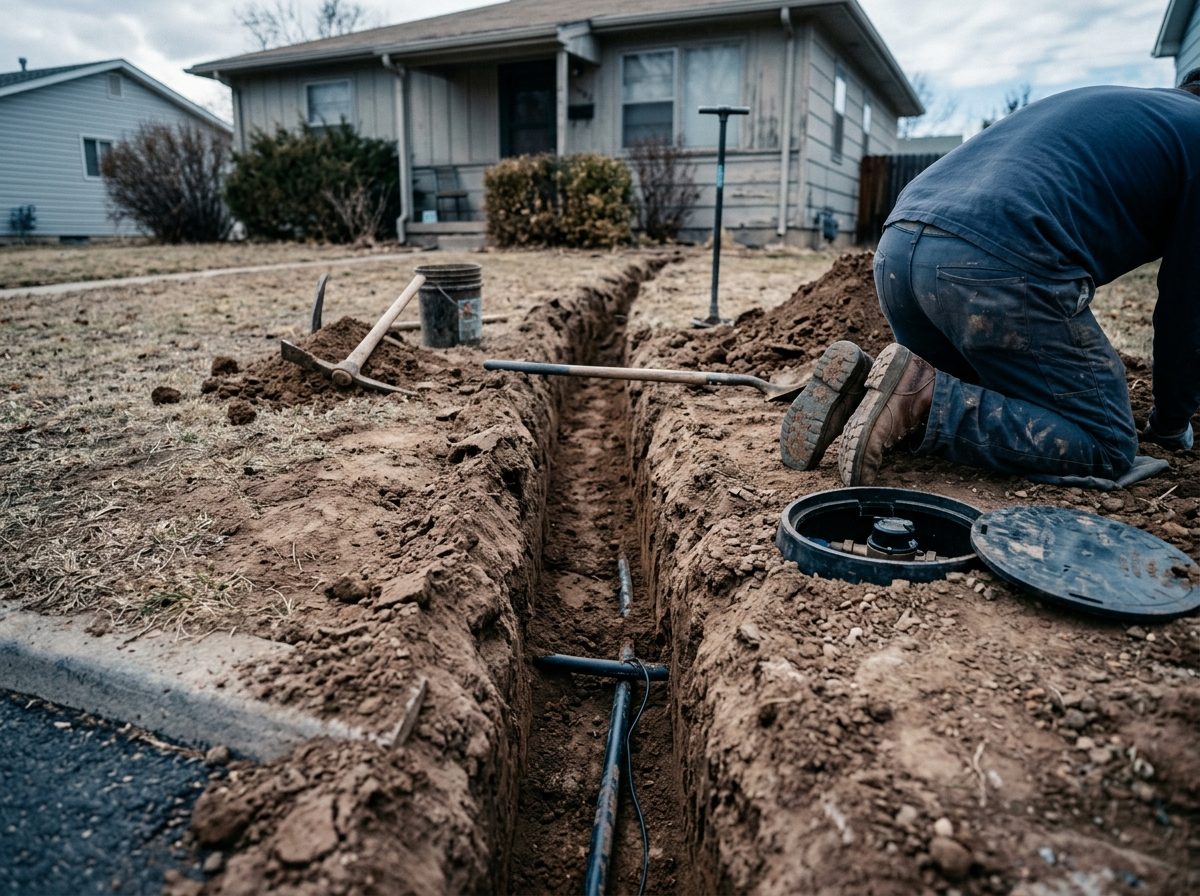
Newer developments here are built with proper backflow protection on the irrigation supply, and that device is both a compliance item and the single most freeze-vulnerable fitting on the property. It sits above ground, holds water after the system shuts down, and splits its body if the season closes without the water being pushed out with compressed air.
Two practical points. An annual test may be required on your device depending on the district and the type installed, and the paperwork is the homeowner's problem rather than the builder's once the warranty period ends. And a device that has frozen once rarely fails visibly — it fails as a slow weep or a pressure drop that shows up the following spring, which is why replacement is usually cheaper than diagnosis after the fact.
Not sure your device was tested? The district will say what yours needs.
Ask about backflow testingIrrigation on newly developed ground
An irrigation system installed on a brand new lot is buried in ground that has not finished moving. Fill consolidates, trenches settle over the first few seasons, and the system that was level and correctly graded when it was commissioned is not quite either of those things two years later. That produces a set of faults that are specific to new development and are routinely mistaken for poor installation.
The symptoms are recognisable once you know to look for them. Heads that have sunk below the turf and no longer clear it, so a zone appears weak when the head is simply buried. Heads that have tilted and now spray a fence or a wall instead of the lawn. Low spots in a lateral where water collects, which matters at winterisation because that is exactly the water a blowout has to remove. And valve boxes that have settled below grade and filled with soil, so the valve inside cannot be reached without digging it out.
None of that is serious, but all of it is worth catching in the first few seasons rather than living with. The practical approach is a proper look at the whole system each spring at start-up rather than only when something visibly fails: every head run and watched, every valve box opened and cleared, and anything that has sunk or tilted reset while it is a small job. It is also worth noting problems at the autumn blowout, since a zone that did not clear properly then is a repair to book for spring rather than a surprise at start-up.
Two checks for a newer house
Measure static pressure, and note the age of the water heater. Those two cover most of the real financial risk in housing where nothing has aged out yet.
Nearby communities
Timnath sits between Fort Collins, Windsor and Loveland at the fast-growing edge of Larimer County.
Timnath, Colorado
Timnath plumbing questions answered
Because the small components fitted during construction have much shorter service lives than the building. Angle stops, flexible supply lines, fill valves, washer hoses and expansion tanks all wear out on a scale of years rather than decades, and high static pressure shortens all of them further.
Screw an inexpensive gauge onto an outdoor spigot or a laundry connection. Readings above the normal working range put every valve and seal in the building under continuous stress. The early symptoms are running toilets, dripping taps and a heater relief valve that discharges periodically.
It depends on the period and the specific list in your warranty documents. As a rule, an installation defect is covered and a component that has simply worn out is not. Reading the relevant clause before making calls saves time, because it determines who you should be talking to first.
Often, yes — it depends on the district and the type of device fitted, and once the builder warranty period ends the paperwork is the homeowner’s responsibility rather than the developer’s. Your water district will tell you what your device requires and how often.
Before the first hard freeze, which can arrive in October. Draining is not enough on most systems, because low points and the backflow device hold water gravity cannot move — compressed air is what clears them. Booking early in the season also avoids the busiest fortnight.
It changes what is worth checking. Ground close to the Poudre and the reservoir holds water, so foundation drainage and the sump system carry more of the load in a wet spring than they do on higher ground a mile away. Test the pit rather than assuming it works.
Same-day is normal and a couple of hours is common for urgent problems, since Fort Collins, Loveland and Windsor are all close. During a regional cold snap the whole corridor is busy at once, so you may get an honest next-morning window plus advice for the wait.
Yes. A dry basement records the springs you have had, not the one you are going to get. Pour a bucket into the pit, watch the float lift and the pump run, and confirm the discharge takes water well away from the foundation.
More likely the ground has moved. On a new lot, fill consolidates and trench lines settle over the first seasons, which tilts and sinks heads that were correctly set at commissioning. Resetting them is a small job when caught early. A full look at start-up each spring — every head run, every valve box opened — catches it before it becomes a list.
Because newly developed ground keeps settling for a few years, and an irrigation system is buried in it. Heads sink and tilt, laterals develop low spots that trap water over winter, and valve boxes drop below grade and fill with soil. It settles down as the ground does — the first few seasons simply need a proper start-up inspection rather than a quick turn-on.
Larimer County, any hour
Timnath, Fort Collins, Windsor and Loveland, answered around the clock.
(833) 621-2904 — answered 24/7, statewide.