Plumber in Masonville, CO — one call, any hour
Home / Areas / Northern Colorado / Masonville
Buying a foothills property is a different proposition from buying in town, and the plumbing is where much of the difference sits. A standard home inspection is written for a house on municipal services, and on a property with its own water and waste it leaves the three most expensive systems largely unexamined.
What a foothills property inspection misses
A general inspector will run taps, check visible pipework, note the water heater's age and flag obvious defects. That is useful and it is not sufficient here, because the things that cost real money on a property like this are the ones a visual inspection cannot reach: what the well will actually yield, whether the septic tank and field are sound, and what condition the buried line between them and the house is in.
None of those are exotic tests. They are simply not part of a standard inspection, and they have to be ordered separately by someone who knows to ask. The window in which to do it is the inspection period, which is short — so knowing in advance what to arrange is worth more than negotiating hard afterwards.
Inspection period running? Say the deadline — it determines what can be done.
Ask about a pre-purchase check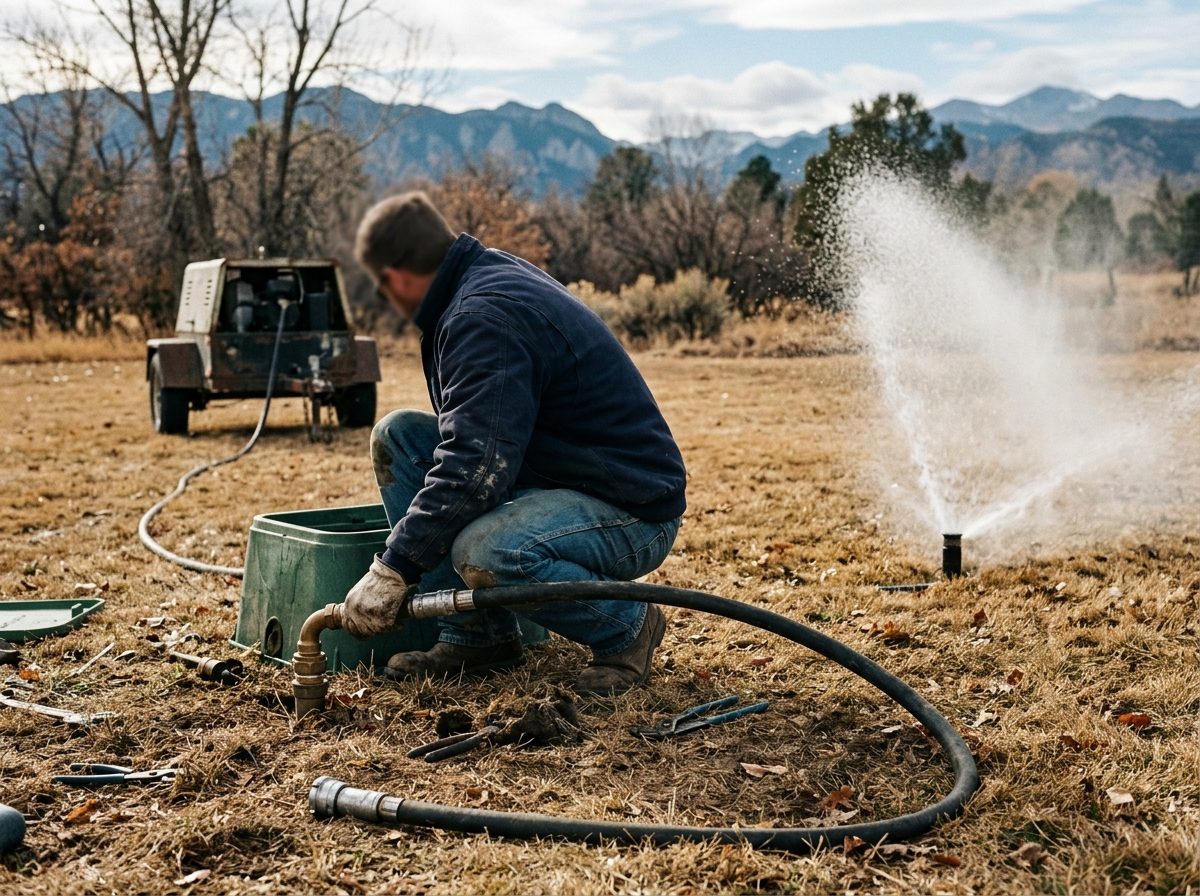
Testing a well properly
Running a tap tells you almost nothing about a well. Two separate things need establishing, and they are different questions.
The first is yield: how fast water enters the well from the surrounding ground. A well can deliver perfectly good pressure for a few minutes and be unable to sustain a household — and in fractured foothills rock, yield varies substantially from one property to the next, so a neighbour's experience is not evidence. A proper yield test draws water at a measured rate over a sustained period and watches what the water level does.
The second is quality, which needs a laboratory test rather than an opinion. Composition varies property to property here, and the results determine both whether treatment is needed and what kind. Both tests are inexpensive relative to what they tell you, and both are far cheaper to run before closing than to discover afterwards.
The septic inspection nobody orders
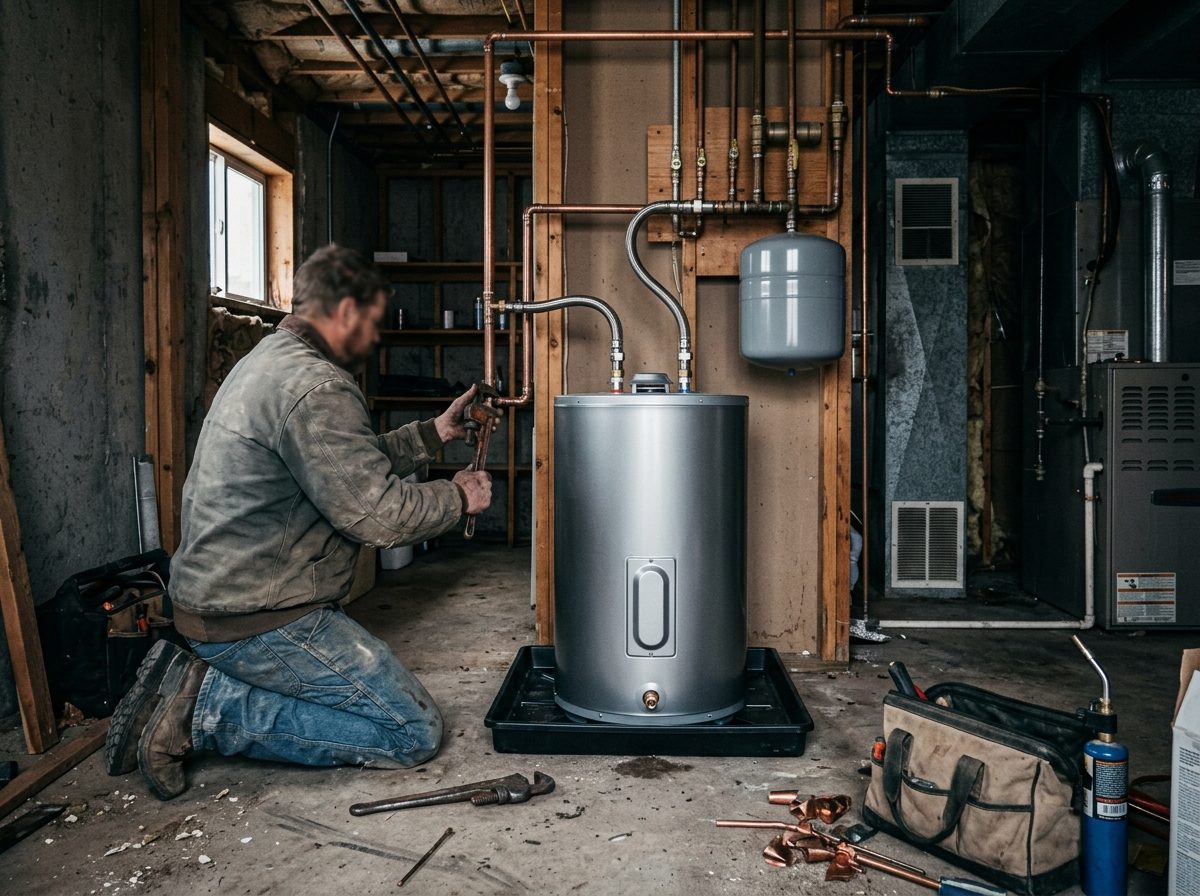
The septic system is where the largest avoidable surprise on a foothills purchase usually hides. A tank is emptied by pumping — routine maintenance. A drainfield that has been ruined cannot be pumped clean and generally needs replacing, which is an order of magnitude more expensive.
So the inspection that matters looks at both. Locating and opening the tank, assessing sludge levels and the condition of the baffles, and — critically — evaluating whether the field is accepting liquid. Signs that it is not include liquid levels above the outlet, unusually lush growth over the field, and soft ground above it in dry weather.
Two documents are worth asking the seller for: when the tank was last pumped, and any permit or as-built record showing where the system is and what size it is. Their absence is not disqualifying, but it tells you how the system has been managed.
Buying a property on septic? The tank and the field need separate assessment.
Ask about a septic inspectionSelling: fix, disclose or price
From the other side of the transaction, the useful framing is that there are three options for any known problem, and choosing deliberately beats being surprised.
Fixing before listing makes sense where the work is bounded, the cost is known, and the defect would otherwise dominate negotiation — a failing water heater, a weeping hydrant, a line that has been patched repeatedly. Disclosing and pricing accordingly makes sense where the work is large or where a buyer will want their own contractor anyway, such as a drainfield near the end of its life.
What does not work well is discovering the problem during a buyer's inspection, because the negotiation then happens on their timetable with their information. Having your own well test, septic assessment and sewer camera done before listing costs comparatively little and puts you in the position of knowing more about the property than the buyer does.
Preparing to sell? Knowing first is worth more than fixing everything.
Ask about pre-listing checksRadiant floors and what they hide
Radiant floor heating is common in newer foothills building and it is a good system for a house at this elevation — even heat, no draughts, and nothing visible in the rooms. It also puts the heating pipe in a place it cannot be reached, which changes what a fault means and makes the components that can be reached considerably more important.
The failures worth understanding are mostly not in the floor. A zone that has gone cold is more often air trapped at the high point of that loop, a zone valve that has stopped opening, or a manifold problem than a failure in the slab. A whole system that will not heat points at the boiler, the circulator or the controls. Those are all accessible repairs, and it is worth resisting the conclusion that a cold floor means a pipe in the concrete has failed, because that conclusion is usually wrong and always alarming.
What does matter is protecting the part that cannot be reached. That means keeping the system properly filled and pressurised, because air in the loops is the most common cause of poor performance; using the correct heat transfer fluid rather than plain water where the building may be left unheated; and knowing where the loops actually run before anyone drills, cuts or fixes anything into the floor. That last one is worth a note kept with the property, because a manifold with labelled loops and a sketch of their routes is the difference between a simple repair and an expensive search.
Three things to order separately
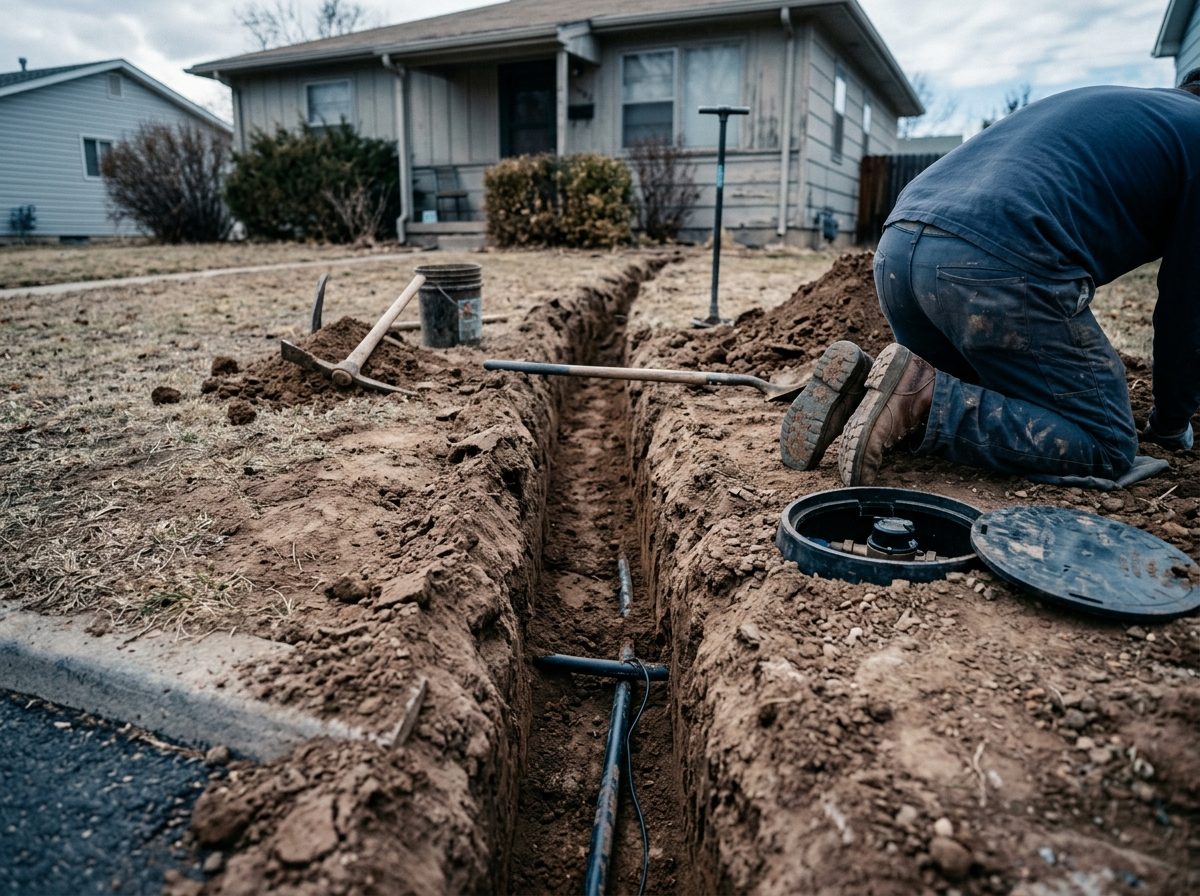
A well yield test, a septic tank and field assessment, and a camera in the line between house and tank. None are in a standard inspection, and between them they cover the expensive surprises.
Nearby communities
Masonville sits in the Larimer County foothills west of Loveland, with Drake, Bellvue and Glen Haven nearby.
Masonville, Colorado
Buying and selling questions answered
Not meaningfully. A general inspector runs taps, checks visible pipework and notes the heater age. What costs real money on a foothills property — well yield, septic tank and field condition, and the buried line between them and the house — has to be ordered separately.
Two separate things. A yield test draws water at a measured rate over a sustained period and watches the water level, which tells you whether the well can support a household rather than just deliver pressure briefly. And a laboratory quality test, which determines whether treatment is needed and what kind.
No. A well can give perfectly good pressure for a few minutes and be unable to sustain a household over an afternoon. In fractured foothills rock, yield varies substantially between neighbouring properties, so neither a tap test nor a neighbour’s experience is evidence.
Both halves of the system. Locating and opening the tank, assessing sludge levels and the baffles, and evaluating whether the drainfield is accepting liquid. That last part matters most: a tank is emptied by pumping, whereas a ruined field generally needs replacing at far greater cost.
When the septic tank was last pumped, and any permit or as-built record showing where the system is and what size it is. Their absence is not disqualifying, but it tells you a good deal about how the system has been managed over the years.
It depends on the problem. Fixing makes sense where the work is bounded and the cost known — a failing heater, a weeping hydrant. Disclosing and pricing makes more sense for large work a buyer will want their own contractor for, such as a drainfield near the end of its life.
Because the alternative is discovering the problem during a buyer’s inspection, which means negotiating on their timetable with their information. Your own well test, septic assessment and sewer camera cost comparatively little and leave you knowing more about the property than the buyer does.
Usually within an inspection period if you start early, since Loveland is close. Say the deadline when you call — a yield test needs sustained running time and a septic assessment may need the tank pumped, so both benefit from being booked at the start of the window rather than the end.
Very rarely. A single cold zone points at air trapped in that loop, a zone valve that is no longer opening, or something at the manifold — all accessible repairs. A failure in the slab itself is uncommon and is not the first thing to assume. Note whether it went cold suddenly or gradually, since that helps separate the causes.
Larimer County foothills
Masonville, Drake, Bellvue, Glen Haven and Loveland.
(833) 621-2904 — answered 24/7, statewide.