Plumber in Victor, CO — 24/7 by phone
Home / Areas / Colorado Springs & Pikes Peak / Victor
Victor is a mining town that has changed less than most, sitting at extreme altitude beside Cripple Creek. Its housing is old, a meaningful share of buildings stand empty for long periods, and the combination of those two things defines the plumbing work here.
A mining town largely unchanged
The building stock dates largely from the mining era, and the plumbing inside it has been added to, repaired and abandoned in sections over more than a century. Expect mixed materials in one run, sections capped off and forgotten, and fittings inside walls no drawing records.
Diagnosis is therefore genuinely part of the job here rather than a preliminary to it. A first visit may reasonably end with a plan and an order of work rather than a completed repair, and the most useful thing an owner can offer is whatever history they know.
Building with unknown plumbing history? Whatever you know about it is genuinely useful.
Ask about tracing a system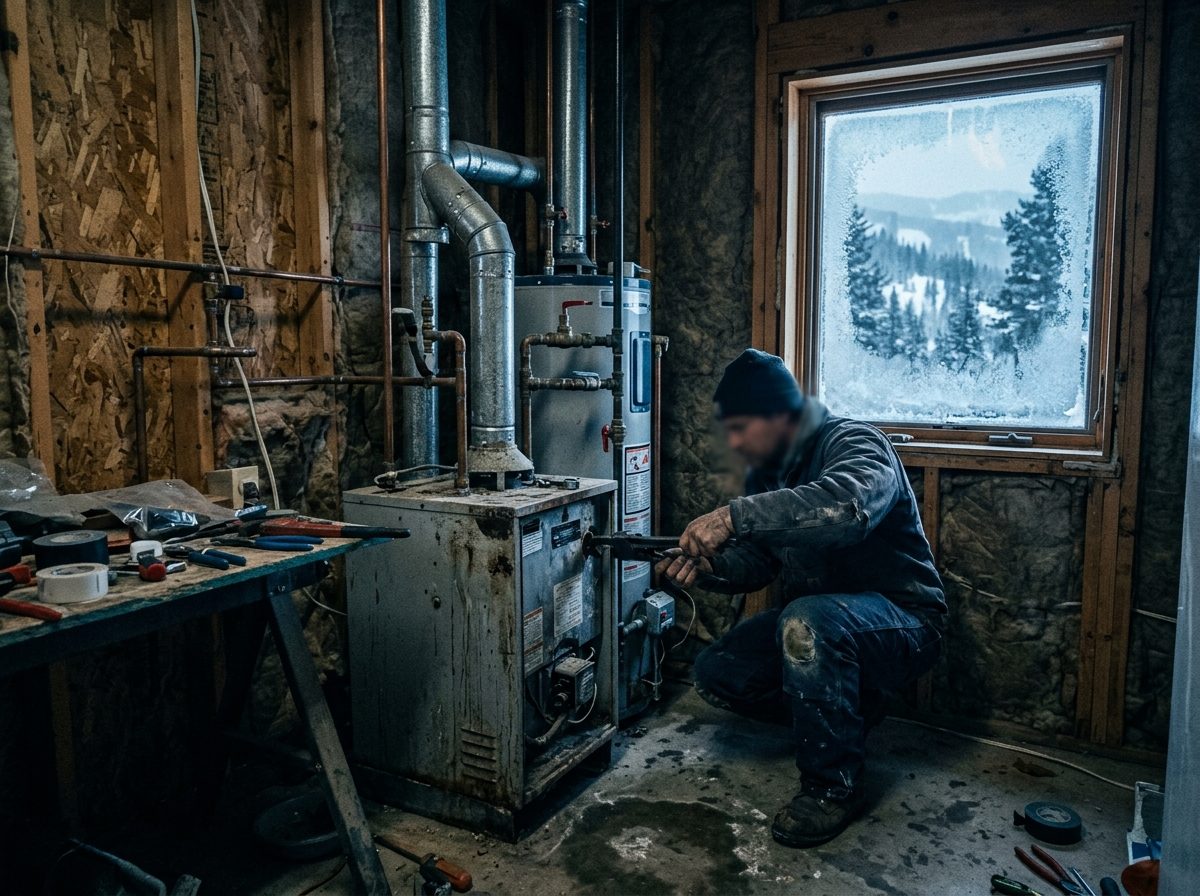
Long-vacant buildings
Buildings here stand empty for longer stretches than in most communities, and long vacancy creates its own problems beyond freezing. Traps dry out and let sewer gas into the building. Seals in fixtures perish from disuse. Rodents damage exposed pipe and heat tape. And a system that has sat unused for years may have faults nobody discovered because nothing was ever run through it.
Bringing a long-vacant building back into use is therefore a specific job: pressure-testing the system before trusting it, running every fixture, refilling traps, and checking what the last decade did to anything exposed. It is far better done deliberately than discovered gradually.
Buried service lines deserve a mention too. In a town of this age, the line from the meter or well to the building may be original, and its route may not match any record. Signs it is failing are indirect — pressure that has slowly dropped, ground that stays damp or unusually green, or a meter that creeps with every fixture shut. Confirming that before excavation saves a great deal of digging in hard ground.
Appliances at this elevation
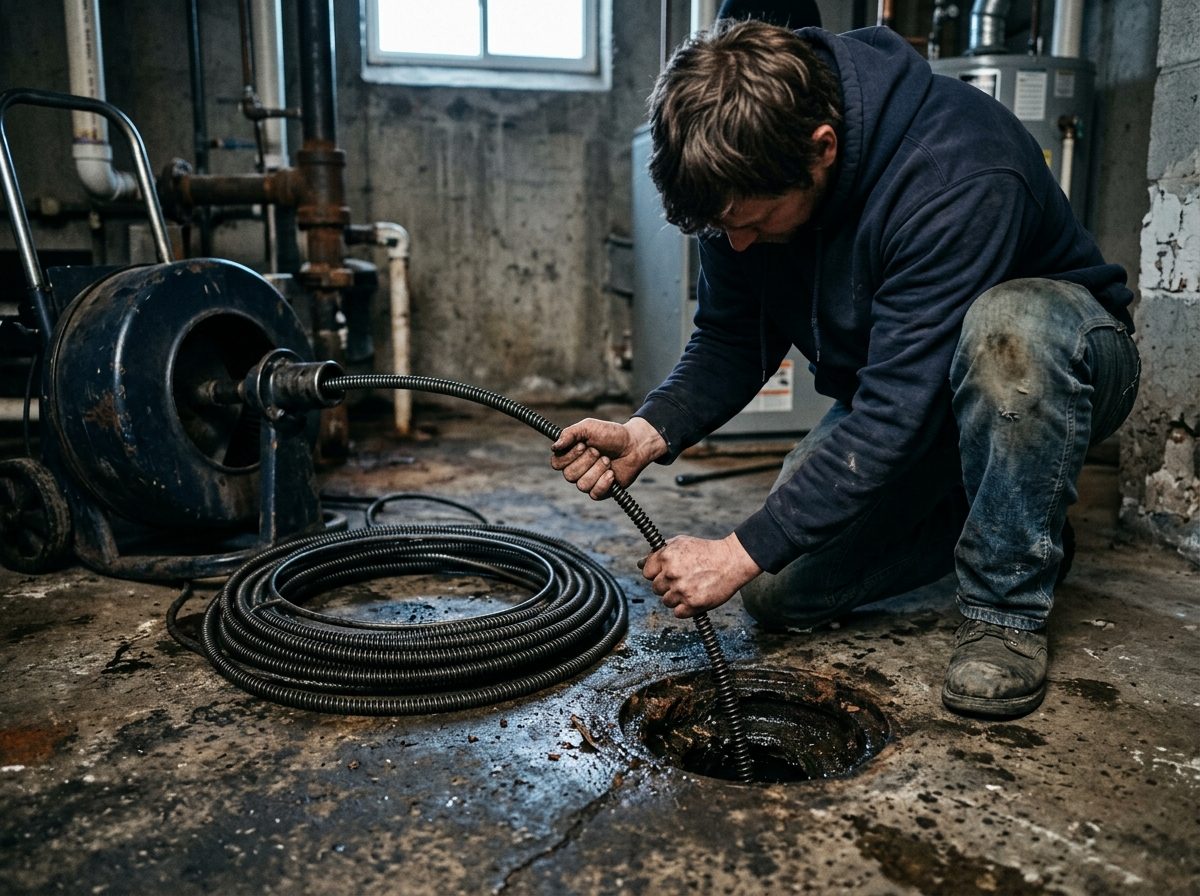
Combustion appliances lose output as air thins, and there are few inhabited places in the state higher than this. A water heater specified without accounting for altitude will be materially undersized, and the shortfall shows in midwinter when incoming water is close to freezing.
Derating, venting and combustion air belong in the specification rather than the installation. Tankless units are the most sensitive of all, since their output is a temperature rise across a flow rate.
Replacing a water heater? At this elevation the sizing comes before the purchase.
Ask about heater sizingThe freeze season here
Freezing is the ambient condition for most of the year. Any pipe outside heated space needs active protection or to be out of service, and heat tape carries much of that load while failing silently through age, rodent damage or having been unplugged.
For a building standing empty, draining is the only dependable strategy: water off at the source, drained from the lowest point, taps opened, appliances dealt with, and plumbing-rated antifreeze in traps. Access decides response too — snow and the roads over the pass determine whether anyone reaches you, so describe them honestly.
Snowed in with a burst line? Shut the water off and drain the lowest tap while you wait.
Ask what to do right nowBringing a vacant building back into use
Have the system pressure-tested before trusting it, and expect dry traps and perished seals. Discovering those gradually is considerably more expensive than finding them deliberately.
Surface water on a steep lot
On steep ground, a good share of the water that ends up inside a building never came from a pipe. It arrived at the foundation from above — off a roof, down a drive, across a neighbouring slope — and found the lowest opening available. That is worth separating from plumbing because the remedies are entirely different, and because plumbers get called to it regularly and correctly conclude that nothing in the plumbing has failed.
The distinction is made the same way as always: timing and behaviour. Water that arrives during or shortly after rain or rapid melt, spreads across a broad area rather than pooling under one point, and is clear, is surface water. A supply leak runs at a constant rate regardless of the weather. A drain leak runs only when a fixture upstream is used. Establishing which one you have before anyone opens anything is the difference between a useful visit and a wasted one.
Where it is surface water, the work sits between plumbing and groundworks and most of it is above ground. Roof water needs to be carried far enough from the building that it does not simply run back — a downspout discharging at the foundation on a slope is a hose aimed at the wall. The ground immediately around the building needs to fall away from it, which on a hillside lot needs checking rather than assuming. And where water crosses the property from uphill, intercepting it before it reaches the building is more effective than trying to pump it out afterwards. A sump and a pump are the last line, not the first.
Nearby communities
Victor sits beside Cripple Creek high on the back side of Pikes Peak, with Divide and Florissant on the roads out.
Victor, Colorado
Victor plumbing questions answered
Have the system pressure-tested before trusting it, then run every fixture, refill the traps and check anything exposed for rodent damage. Long disuse dries traps, perishes seals and hides faults that nobody found because nothing was ever run through the pipe. Doing it deliberately beats discovering it gradually.
Almost certainly dry traps. Every drain holds a water seal that blocks sewer gas, and in a vacant building that water evaporates. Pouring water into every drain, including floor drains, usually resolves it within minutes. If the smell persists, it suggests a venting problem or a break in the line.
At this elevation, substantially. Thinner air means much less oxygen for combustion, so manufacturers derate output and often specify different models. A unit sized from a sea-level table will fall short here in midwinter. The sizing conversation has to happen before purchase, not after installation.
That is normal in mining-era housing that has been altered for a century. What matters is how the joins were made — dissimilar metals without the correct fitting corrode at the junction — and whether capped sections still hold water that can freeze. Tracing the system once is worth the cost.
Usually, with gentle even heat applied from the open end of the line toward the blockage so meltwater can escape. Never a torch or rapid heat — that is how pipes split and buildings catch fire. Shut the water off first, because a cracked pipe starts leaking as it thaws.
Water off at the source, the system drained from its lowest point, taps opened so air can replace water, the heater and any appliance holding water dealt with, and antifreeze rated for plumbing in traps and toilet bowls. Never automotive antifreeze.
Access and weather decide it rather than distance. In clear conditions same-day is realistic for urgent work. In a storm the roads over the pass can make it the following day or later, and you will be told that plainly along with what to shut off in the meantime.
Tape can look intact and be dead. Age, rodent damage and being unplugged during unrelated work are the usual causes, and rodents are a particular problem in buildings that stand empty. Test it before the freeze season and check the whole length of the run.
Usually not. Water that appears with rain or melt, spreads across a broad area and is clear is surface water arriving from above rather than a pipe failing. Check where roof water discharges and whether the ground still falls away from the building — on a steep lot those two things cause most of it, and both are fixable above ground.
It is the last line rather than the first. Intercepting water before it reaches the building — moving roof discharge well away, restoring the fall of the ground, cutting off flow coming from uphill — deals with the cause, and it is cheaper and more reliable than pumping continuously. A sump makes sense for what still gets through after that, not instead of it.
The back side of the Peak
Victor, Cripple Creek, Divide and Florissant.
(833) 621-2904 — answered 24/7, statewide.