Plumber in Woodland Park, CO — 24/7 by phone
Home / Areas / Colorado Springs & Pikes Peak / Woodland Park
Woodland Park sits above eight thousand feet, and everything about plumbing here follows from that: gas appliances have to be specified for the altitude, winter is long and unforgiving, many properties are on wells and septic, and a meaningful share of houses sit empty for weeks at a time.
Eight thousand feet, and it shows
Gas-fired appliances lose rated output as air thins. A water heater or tankless unit chosen from a sea-level specification can be genuinely undersized once installed here, and the shortfall shows up in January when incoming water is coldest and demand is highest. Derating, combustion air and venting belong in the conversation before purchase, not after the unit is on the wall.
Tankless units are the most sensitive of all, because their output is a temperature rise across a flow rate and altitude squeezes both ends. A unit that satisfies a household in September can disappoint badly in midwinter.
Replacing a water heater? Ask about altitude sizing before you buy the unit.
Ask about heater sizing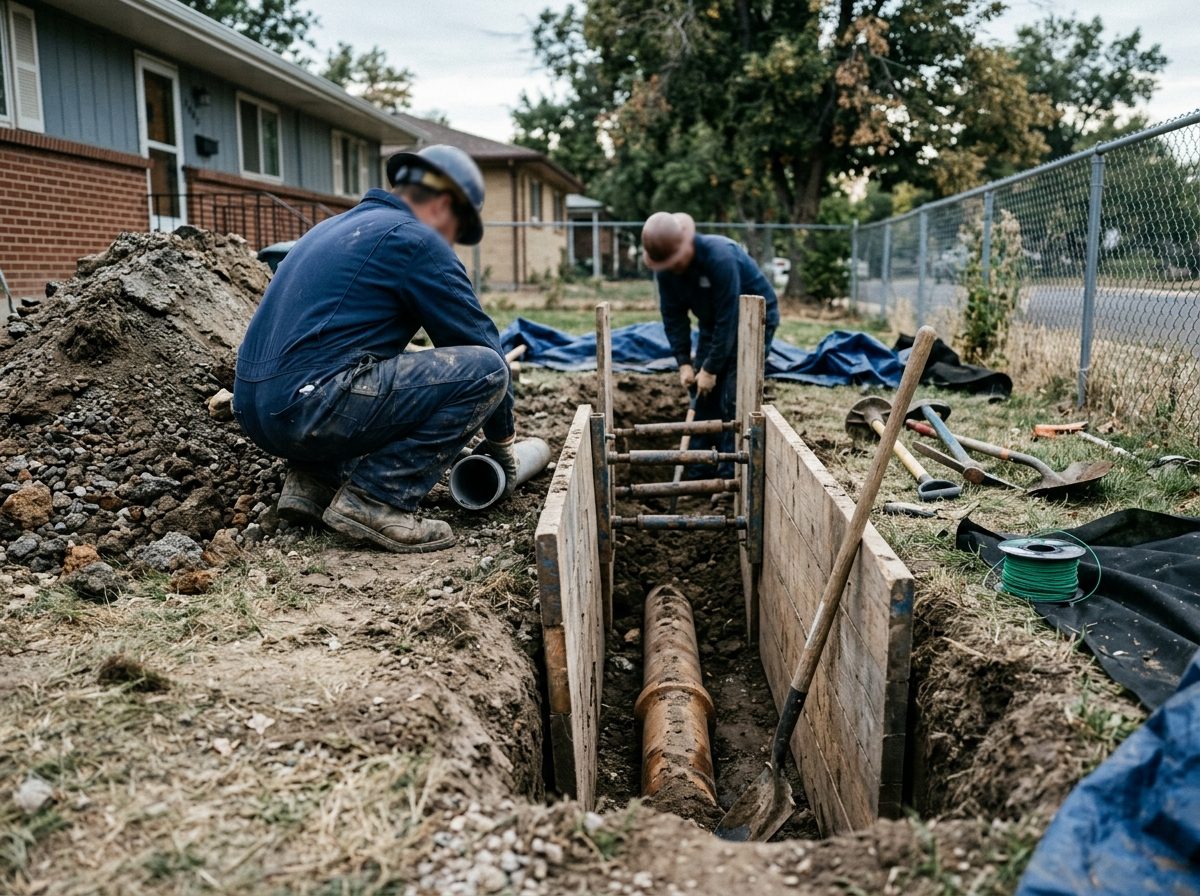
Wells, septic and hydronic heat
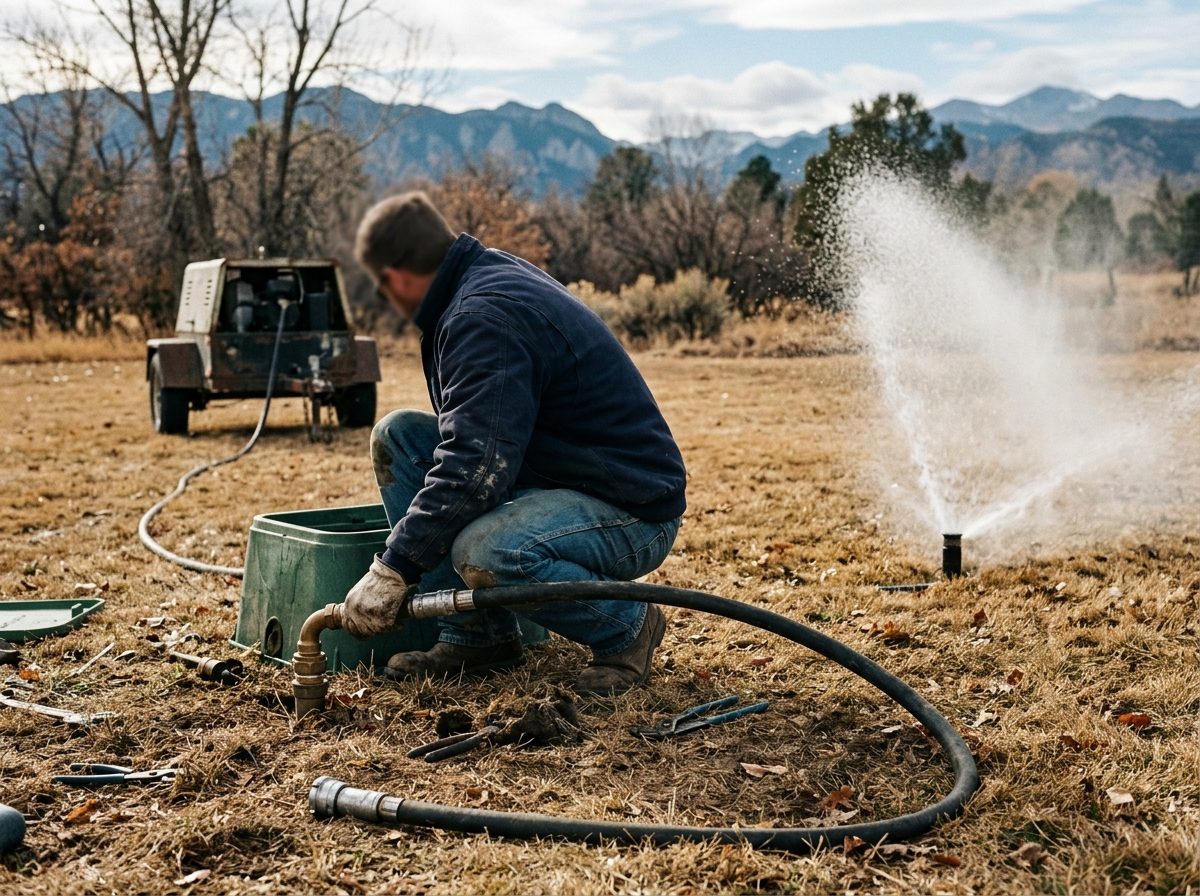
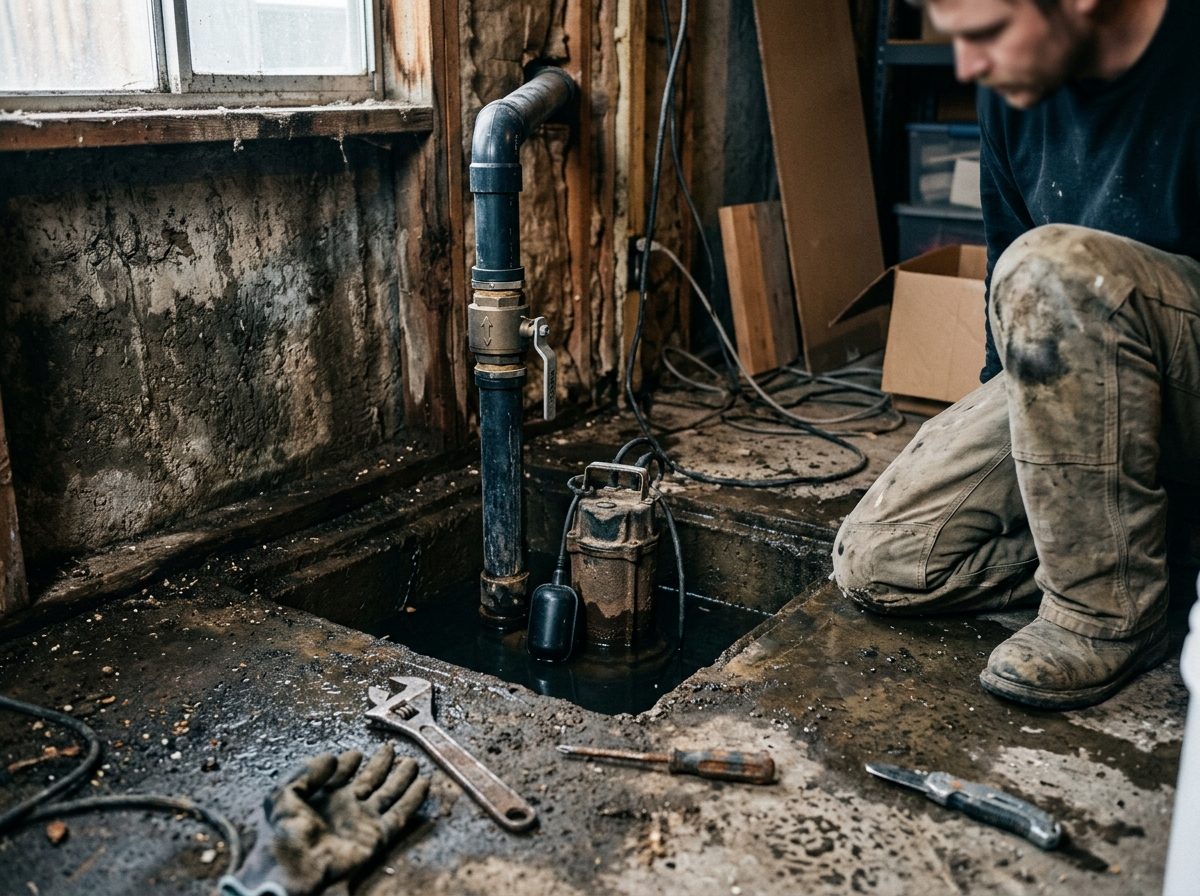
Three systems dominate service calls up here. Wells, where the usual failures are a pressure tank that has lost its charge, a pressure switch, or a pump at the end of its life — and where the symptom for all of them is simply no water. Septic systems, which need pumping on a schedule and announce trouble as slow drains everywhere at once, a green stripe over the field, or backups after a heavy-use weekend. And hydronic heat, which is far more common at this elevation than in valley subdivisions and fails in ways forced-air homeowners find unfamiliar.
Heat tape deserves its own mention. It is what keeps exposed lines above freezing in cold country, and it is routinely found unplugged, rodent-damaged or simply dead after years of service. Knowing where yours runs and testing it before the first hard freeze is among the highest-value ten minutes available to a mountain homeowner.
Vacancy is the real hazard
An occupied house is a monitored house: taps run, warm air circulates, someone notices when the heat goes off. An empty one has none of that, so a tripped furnace, a power cut, an unplugged heat tape or a propane tank that ran dry becomes a burst pipe with hours of unattended water behind it.
If you own something you do not occupy full time, there are two defensible strategies. Winterise properly — water off, system drained, traps and appliances dealt with. Or keep it heated with real redundancy: a reliable heat source, a remote temperature alarm you actually receive, and someone local who can physically reach the house when it alerts.
Own a place you are not living in? The pre-winter conversation prevents the expensive one.
Ask about winterisingWinter access decides the schedule
Up here, access rather than distance determines response. Snow, ice, unplowed private drives, gates and long last stretches all affect whether a service truck can reach the house at all, and some contractors will ask you to meet them at the bottom of the drive.
Say honestly what the last quarter mile looks like when you call. It changes who takes the job and how long the window is, and it is the difference between a plumber arriving prepared and a plumber turning round. During a storm the honest answer is sometimes tomorrow, with instructions for limiting the damage in the meantime.
Snowed in and something has burst? Shut the water off and drain the lowest tap while you wait.
Ask what to do right nowIf you arrive to a frozen house
Close the main shutoff before thawing anything. A frozen line that has already split releases water the moment it thaws — with the water off you get a controlled repair instead of a flood.
Parts for fixtures that are no longer made
A dripping shower or a tap that will not shut off is usually a worn cartridge or seat rather than a failed fixture, and on a current model that is a small, cheap repair. On a fixture that is thirty years old it becomes a different conversation, because the part may no longer be manufactured — and that, rather than the fault itself, is what decides how the job goes.
It is worth knowing how this plays out before it happens. Some manufacturers support old lines for a long time and parts are still available; some fixtures were made by companies that no longer exist; and some valve bodies are close enough to a current standard that a modern cartridge can be adapted. Where none of those apply, replacing the valve means opening the wall behind it, which turns a washer-sized repair into tiling work. That is the honest scope, and it is better heard at the point of quoting than discovered mid-job.
Two things make it easier. Photographing the fixture and any visible brand marking before calling lets the part be identified and brought, which on a valve this old is the difference between one visit and three. And where a bathroom is being worked on for any other reason, replacing a valve that is still functioning but unsupported is worth considering while the wall is open — it is close to free then and expensive later. Where access panels exist behind a shower valve, keeping them accessible rather than tiling over them is the same argument applied in advance.
Nearby communities
Woodland Park sits above Ute Pass, with Divide, Florissant, Cripple Creek and Victor spread out beyond it.
Woodland Park
High country questions answered
For gas units, yes. Thinner air means less oxygen for combustion, so manufacturers derate output above certain elevations and sometimes specify different models or orifices. A unit sized on a sea-level table can fall well short here in midwinter. Have the sizing conversation before purchase and include venting and combustion air.
Shut the water off at the source, drain the system from the lowest point, open taps to break the vacuum, deal with the water heater and anything else that holds water, and use antifreeze rated for plumbing in traps and toilets. Never automotive antifreeze. Done properly, the house can then sit at any temperature without freeze risk.
Usually, with patience and the right method — gentle even heat applied from the open end of the line toward the blockage so meltwater has somewhere to go. Torches and rapid heat are how pipes split and how houses catch fire. If the pipe has already cracked, thawing reveals it, so the water should be off first.
Roughly every three to five years for a full-time household, sooner for heavy use or a smaller tank. Vacation properties often need it sooner than owners expect because occupancy arrives in bursts. Slow drains throughout the house rather than at one fixture is the classic sign that the tank rather than the plumbing is the issue.
Shut the water off at the main and drain what you can from the lowest fixture, which stops the damage growing. Move what matters out of the water path and photograph everything for a possible claim. When you call, describe the access honestly — that is what determines who can come and when.
Most often age, rodent damage, or being unplugged during other work and never reconnected. Tape fails silently, so a line that never froze before and froze this year is very frequently tape that has quietly died. Check it before the first hard freeze rather than after, and know where it runs.
The equipment is similar; the conditions are harder. Well houses and exposed runs freeze, snow limits access for pulling a pump, and depth to water varies more in fractured rock. The practical consequence is that repairs are more weather-dependent to schedule, which makes replacing an ageing pump before it fails more attractive than elsewhere.
That is the pressure relief valve doing its job, which means system pressure is going too high — commonly a failed expansion tank, a fill valve that is not closing, or overheating. Do not cap or ignore it. Note whether the boiler gauge climbs as the system heats, because that detail speeds the diagnosis.
Usually a worn cartridge, which is small — unless the fixture is old enough that the part is no longer made, in which case replacing the valve means opening the wall behind it. Photograph the fixture and any brand marking before calling; identifying the part in advance is what decides whether it is one visit or three.
Above Ute Pass, any hour
Woodland Park, Divide, Florissant, Cripple Creek and Victor.
(833) 621-2904 — answered 24/7, statewide.