Plumber in Coal Creek, CO — one call, any hour
Home / Areas / Pueblo & Southern Colorado / Coal Creek
Coal Creek is a very small village in the old coal country south of Canon City, with housing that dates back to the mining decades. Old pipe, repaired in sections over a century, is what most calls here come down to.
A very small village with old housing
The building stock is old and has been maintained piecemeal. Expect mixed materials in a single run, sections replaced at different times by different hands, and fittings inside walls that no drawing records. What is actually installed frequently differs from what anyone assumes.
Because the village is small, the contractors covering it also cover the surrounding country. Emergency response depends on who is already heading this way, and routine work is better booked and bundled than requested piecemeal.
Several jobs waiting? List them and book one visit rather than four.
Ask about a single visit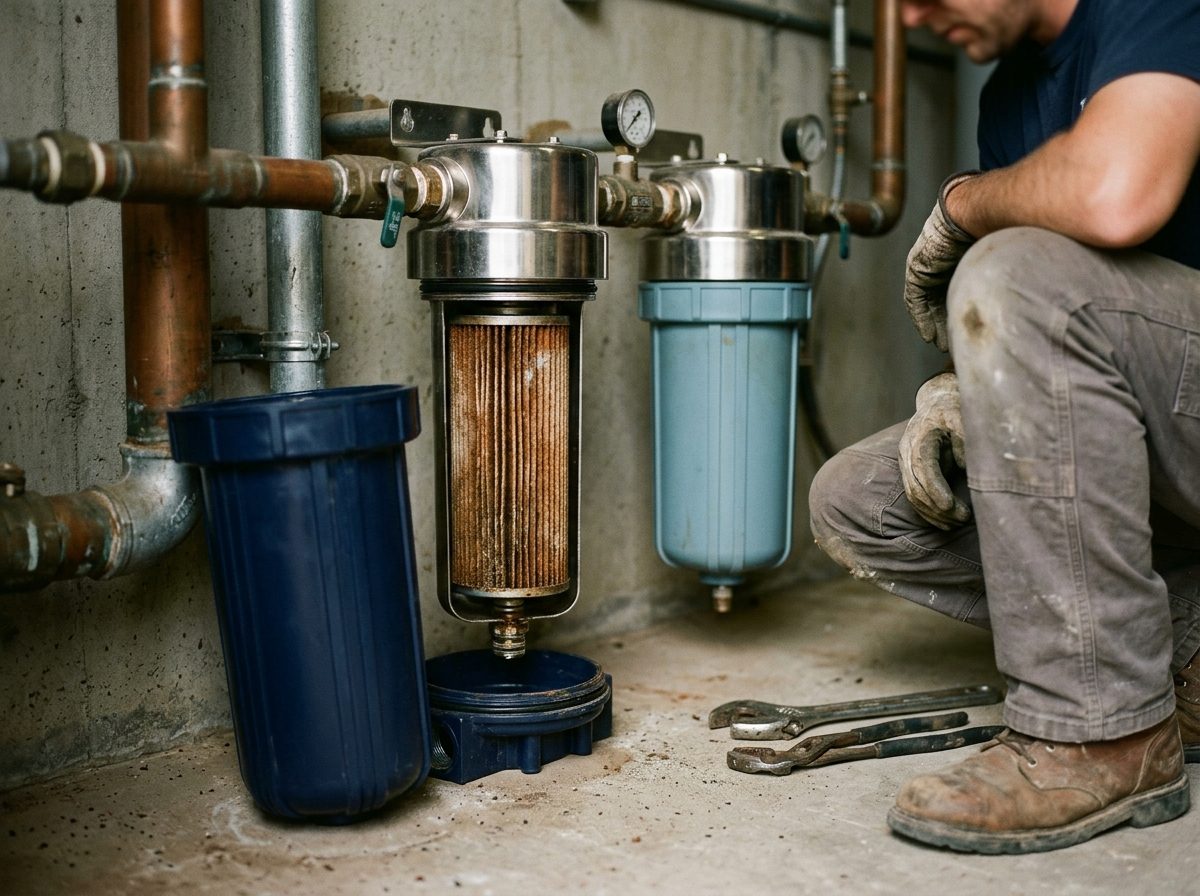
Drains and what actually blocks them
Most drain calls resolve into two categories, and telling them apart on the phone saves time. One fixture draining slowly is usually local: a trap, a branch line, or a venting problem if there is gurgling alongside it. Several fixtures slowing together, or the lowest drain in the building taking water back, means the main line is involved.
Recurring blockages in the same place are different again. Those usually mean grease and scale built up on the pipe wall rather than a single object — cabling makes a channel through it and restores flow, but the layer stays and it returns within months. Jetting scours the wall back toward its original diameter and holds far longer.
Same drain blocking repeatedly? Jetting cleans the wall; cabling only makes a hole.
Ask about a recurring drain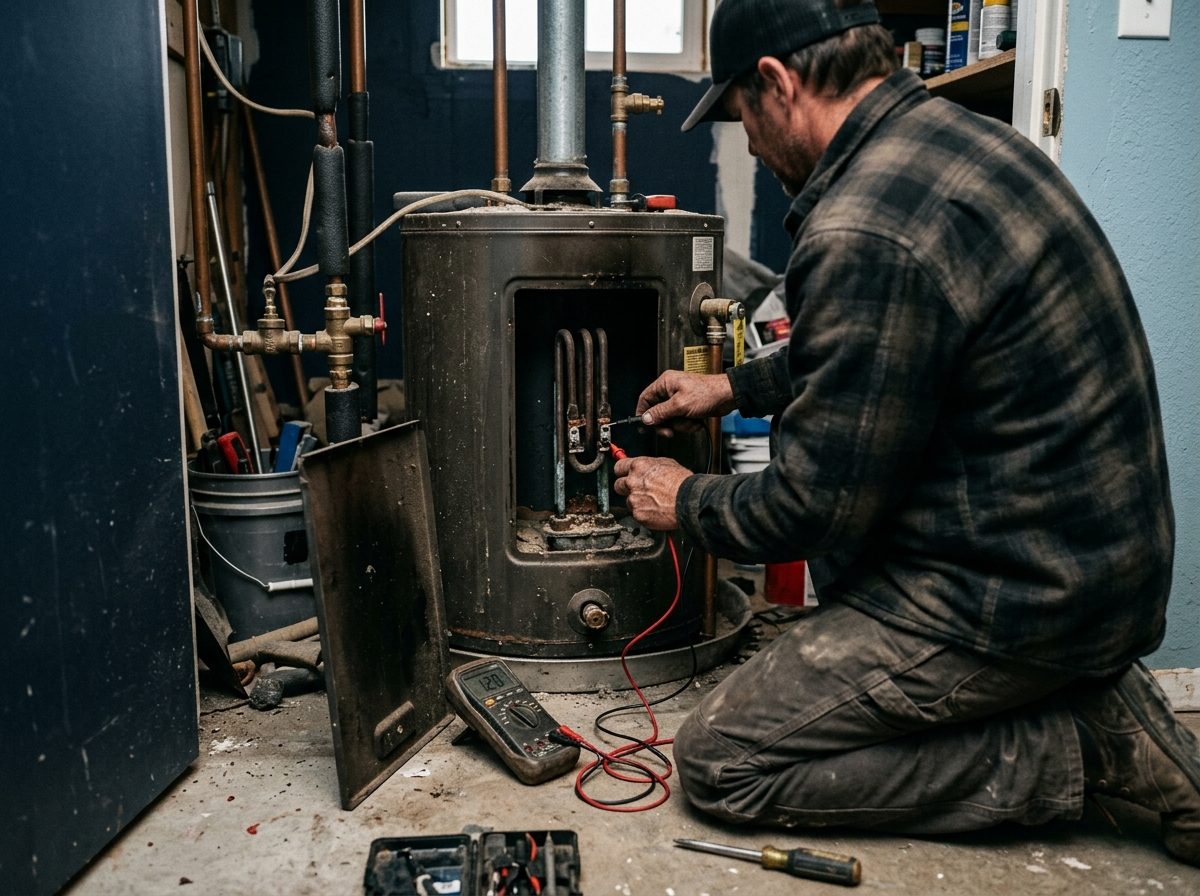
Supply pipe and flow problems
Flow that collapses when two fixtures run points at supply pipe narrowed by decades of internal corrosion rather than at the incoming supply. Testing pressure at an outdoor hose bib separates the two: if what arrives at the property is normal and interior flow is not, the pipe is the constraint.
Repiping the affected runs is the durable answer, and it can be staged rather than done all at once — the runs feeding the fixtures you use most first, or the horizontal mains, depending on where flow is worst and where the pipe is easiest to reach.
Cold nights in old walls
Old houses freeze in places that are no longer heated the way they once were: enclosed porches, additions built over crawlspaces, and walls reinsulated everywhere except where the plumbing runs. A cold snap with wind finds them reliably.
Disconnect hoses before the first freeze, since a connected hose holds water against the bib and defeats its frost protection. And find the main shutoff and confirm it turns — in a house of this age a valve that has not moved in decades sometimes will not close.
Shutoff seized? Replacing it is a small scheduled job — do it before you need it.
Ask about a shutoff valveIf a pipe has split
Close the main shutoff, then open the lowest taps to drain the system and take pressure off the break. Photograph everything before cleanup if a claim is possible, then call.
Gas connectors and sediment traps
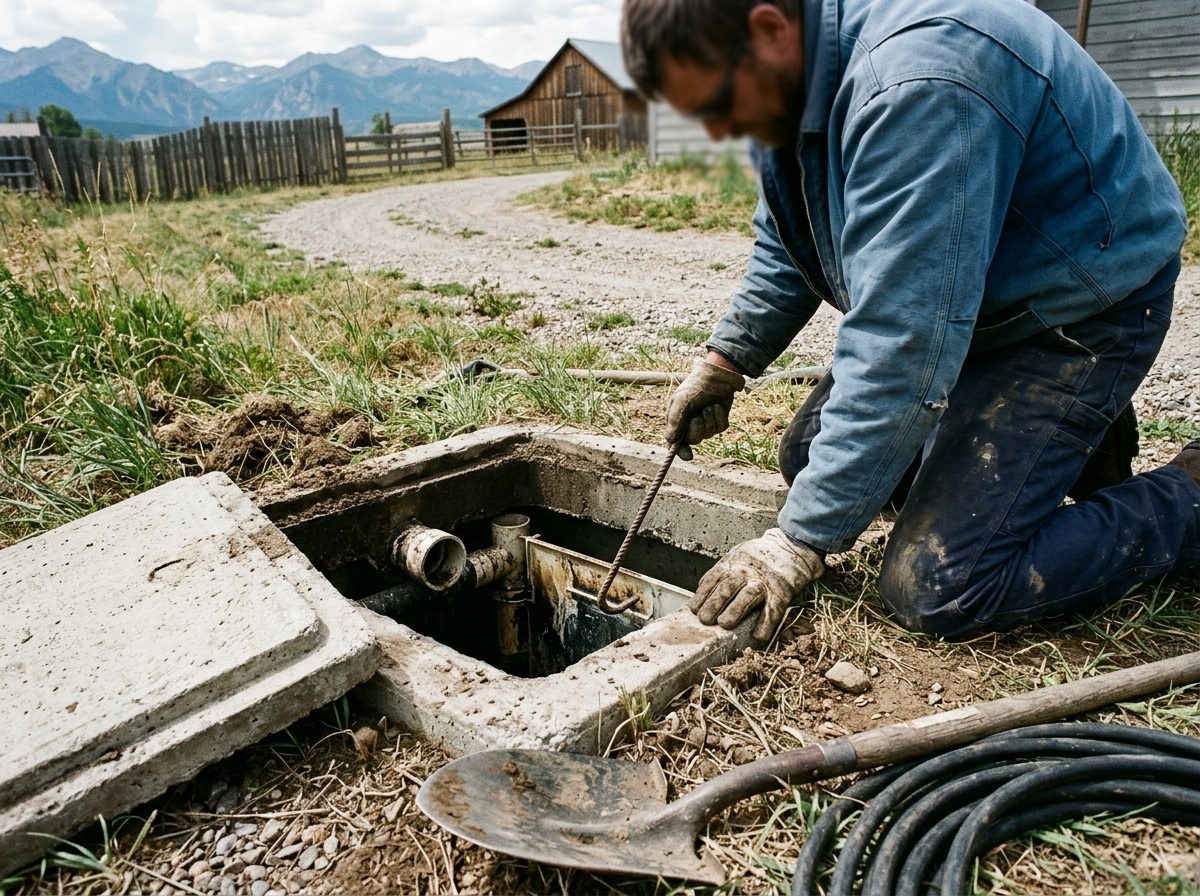
The short flexible connector between a gas line and an appliance is a component with a service life, and in housing of this age a good many of them are older than the appliances they feed. They are not meant to be reused after being disconnected, they should not be run through a wall or a cabinet partition, and an old one that has been bent and straightened during previous appliance swaps is exactly the item worth replacing while someone is already there.
The other piece routinely missing in older installations is a sediment trap — a short capped drop in the pipe just before the appliance, whose job is to catch the scale, rust and debris that travel along an old steel line. Without one, that material reaches the appliance’s valve and burner, where it causes exactly the intermittent faults that are hardest to diagnose: a burner that will not hold a flame, a control valve that sticks, a pilot that drops out for no apparent reason.
Neither of these is an emergency, and that is precisely why they are worth raising at the point of any other gas work — a heater replacement, a range installation, a repair. The marginal cost of a new connector and a trap while the line is already open is small, and both are inspected items rather than optional refinements. What is never worth doing is investigating a gas smell yourself: leave the building, avoid anything that could spark, and call from outside once clear.
Nearby communities
Coal Creek sits beside Rockvale and Florence in the old coal country south of Canon City.
Coal Creek, Colorado
Coal Creek plumbing questions answered
That is usually local — a trap, a branch line, or a venting issue if you also hear gurgling. It does not indicate a main-line problem. Clearing the branch normally resolves it; if it recurs quickly the question becomes whether the pipe wall has built up or the fixture is inadequately vented.
Because the cause is a layer of grease and scale on the pipe wall rather than one object. Cabling punches a channel through and restores flow but leaves the layer behind. Jetting cleans the wall back toward the original bore, which is why it holds much longer.
That usually means supply pipe narrowed by decades of internal corrosion rather than a problem with the incoming supply. Testing pressure at an outdoor hose bib separates the two. If what arrives is normal and interior flow is not, replacing the affected runs is the fix.
No. It can be staged by floor, by run, or by starting with the horizontal mains and the fixtures you use most. What sets the order is where flow is worst and where the pipe is easiest to reach. Staging over a couple of years is legitimate.
Do not force it — a valve that snaps leaves you worse off than one that sticks. Replacing it is a small scheduled job, and in most cases the water can be shut off at the meter or street while the work is done. In an older house it is a high-value small repair.
Most often a dry trap. Floor drains hold a water seal that blocks sewer gas, and if nothing has run into that drain for months the water evaporates. A bucket of water usually solves it within minutes. If the smell persists, it points at venting or a break in the line.
It depends who is already working this way, though Florence and Canon City are both close. For urgent problems you will get an honest window plus instructions on what to shut off. For routine work, a booked visit is usually faster in practice.
Yes, and especially before buying. The lateral is the one major system a standard home inspection does not inspect internally, and in housing this age it is both likely to be compromised and costly to repair. The camera turns a guess into a plan.
It is a short capped drop in the gas line just before the appliance that catches scale and rust travelling along an old steel pipe. Without one that debris reaches the valve and burner and causes intermittent faults that are hard to trace. It is an inspected item, and fitting one while other gas work is happening costs very little.
No — they are not designed to be disconnected and refitted, and one that has been bent and straightened across several appliance changes is the item most worth replacing while someone is already on site. They should also never run through a wall or a cabinet partition. New connector, new appliance, as a rule.
Old coal country
Coal Creek, Rockvale, Florence, Canon City and Penrose.
(833) 621-2904 — answered 24/7, statewide.