Plumber in Coaldale, CO — one call, any hour
Home / Areas / Pueblo & Southern Colorado / Coaldale
In this part of the upper Arkansas valley, water does not all come from the same kind of source. Alongside conventional drilled wells there are springs, shallow sources and gravity-fed arrangements that behave quite differently — and the plumbing complaints that follow are about quality and consistency rather than pressure.
Where the water comes from here
A drilled well draws from a confined aquifer and tends to deliver consistent water year-round. A spring or shallow source is much closer to the surface, which means it responds to weather: snowmelt, heavy rain and dry spells all change what arrives at the house, sometimes within a day.
That responsiveness is the root of most complaints here. Water that has been clear for months turns cloudy after a storm. Grit appears in aerators in spring. Taste changes seasonally. None of those indicate a broken system — they indicate a source that is connected to the surface, and the answer is treatment designed around that rather than a repair.
Unsure what kind of source you have? Well, spring or surface changes the whole approach.
Ask about your water source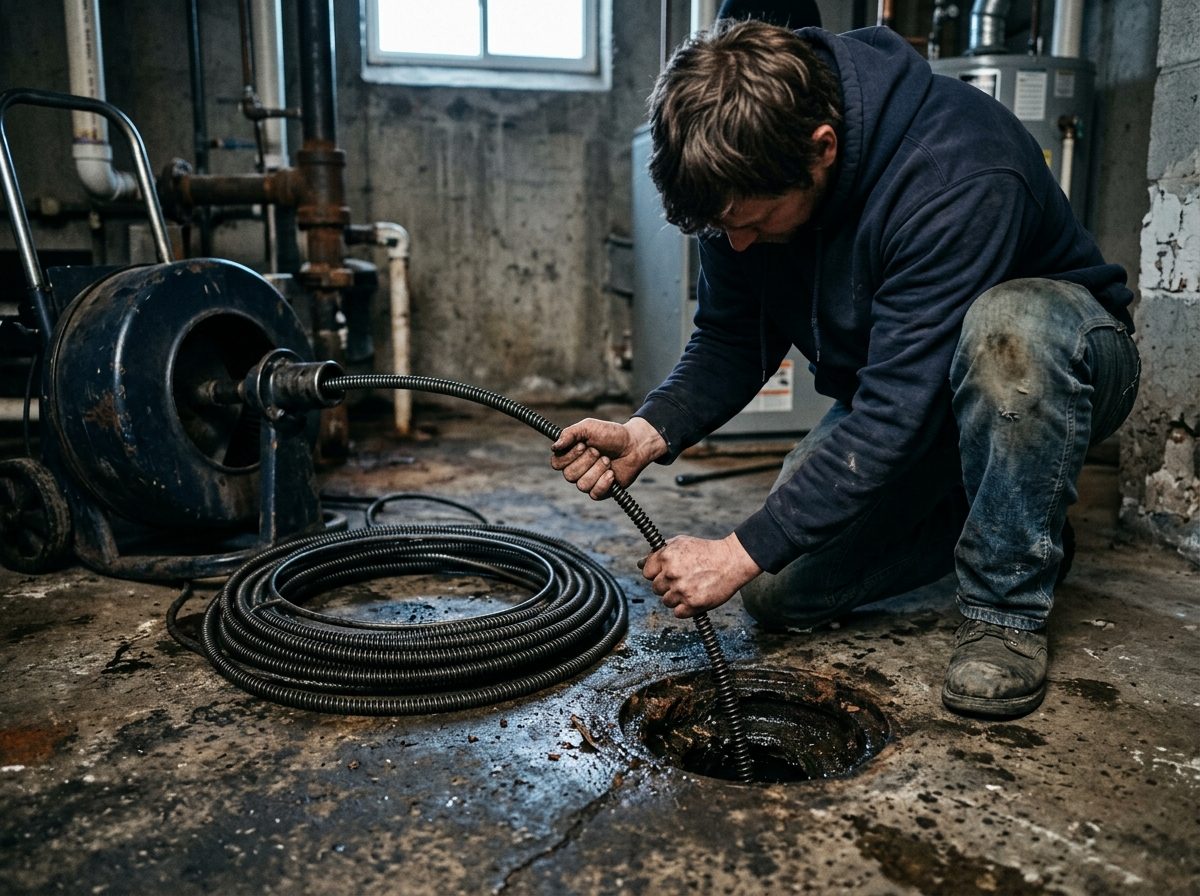
Sediment is the first problem
Sediment is the issue to solve before any other, because it damages everything downstream and it defeats the treatment you might otherwise install. Grit scours pump seals and valve seats. It clogs aerators and shower heads. It settles in the water heater and accelerates everything hard water already does. And it will blind a fine filter or a softener bed in short order if it reaches them.
The remedy is staged rather than single. A coarse filter first, to take out the material that would destroy a finer one, then progressively finer stages as required. Cartridge filters are cheap to buy and need changing on a schedule; backwashing filters cost more and largely look after themselves. On a source that runs dirty seasonally, the sizing question is not average load but what arrives during the worst week of spring.
Building a treatment train
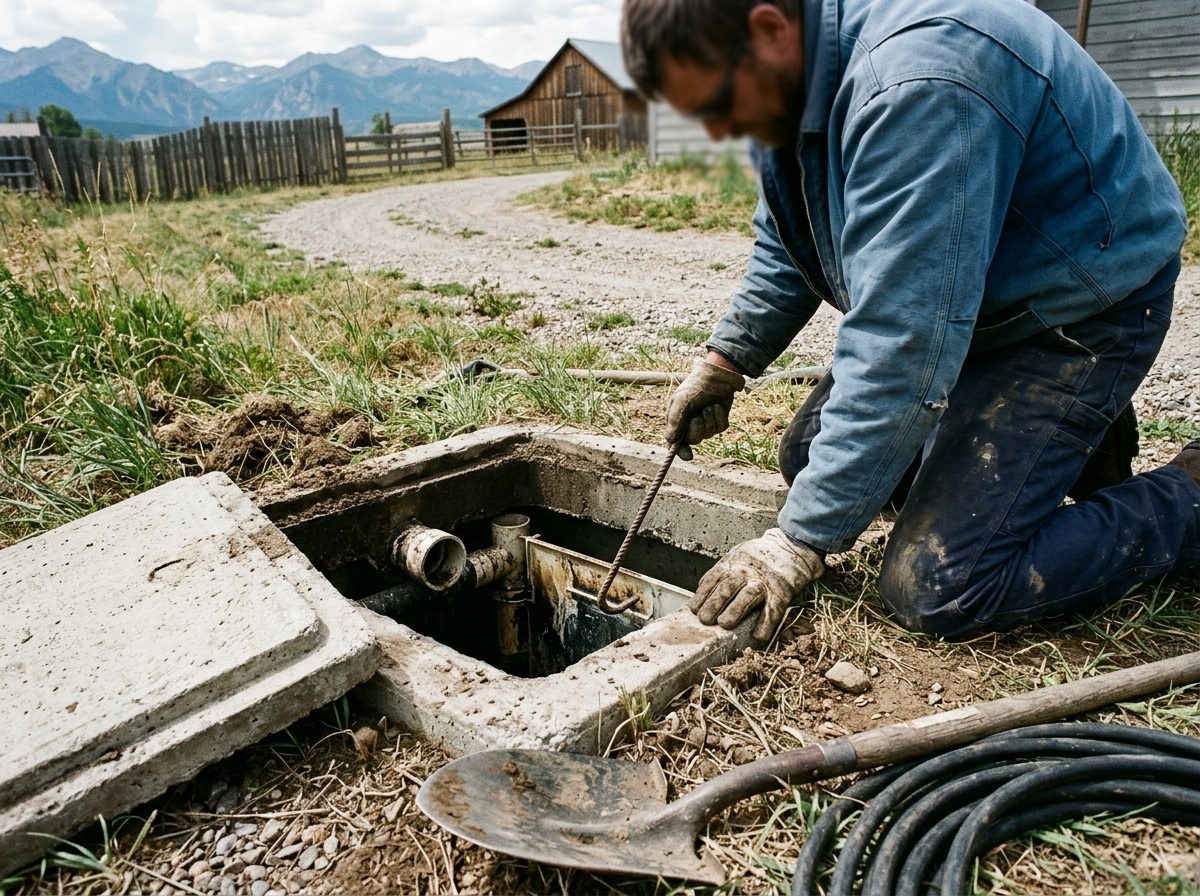
The word for a well-designed arrangement is a train: stages in a deliberate order, each handling what the next cannot. Sediment removal first. Then, depending on what a test shows, iron or manganese treatment, then softening for hardness, then anything for taste, odour or specific results — and where drinking water is the concern, a point-of-use stage at the kitchen tap rather than treating the whole house to that standard.
Order matters more than people expect. Softener resin fouls quickly if sediment and iron reach it. A carbon stage placed before sediment removal blinds early. And the whole train needs to be arranged so that filters can actually be changed — a stage in an inaccessible spot stops being maintained within a year.
Which is why a test comes first. Without one, a treatment train is a stack of guesses in series, each adding cost and maintenance without necessarily addressing what is actually in the water.
Water problem you cannot pin down? Test first — treatment order depends on the results.
Ask about a water testSeasonal changes in the source
On a surface-influenced source, the calendar is diagnostic. Spring runoff brings turbidity and grit as snowmelt moves through the ground quickly. Late summer can bring the opposite problem — reduced yield, and a source drawing from a lower level where different material sits. Heavy rain produces short spikes in cloudiness that clear within days.
Two practical consequences follow. First, filter change intervals should follow the season rather than a fixed date: a cartridge that lasts six months in winter can blind in three weeks during runoff. Second, if water quality changes suddenly and does not recover with the season, that is worth investigating rather than filtering — a spring box that has been damaged, or a shallow source that has become contaminated by surface water finding a new path, is a different problem from ordinary seasonal variation.
Quality changed and not recovered? That may be the source rather than the season.
Ask about a source problemTreating water for bacteria, not just for sediment
A supply drawn from a spring, a surface source or a shallow well is more exposed to bacteria than a deep bore, and that is a different problem from the sediment and hardness most treatment is bought for. Filtration makes water look and taste better; it does not make it microbiologically safe. Conflating the two is the common and consequential mistake here.
Two approaches are used and they suit different situations. Ultraviolet disinfection passes water through a chamber where a lamp inactivates organisms, which is effective, chemical-free and well suited to a household supply. Its conditions are the part that matters: the water has to be clear for the light to reach through, so adequate sediment filtration upstream is not optional; the lamp degrades and needs annual replacement even though it still lights; and it treats only what passes through, so it does nothing for the plumbing downstream if that is already contaminated. Chlorination with a retention tank is the alternative, better suited to variable or heavily loaded sources, at the cost of managing a chemical and removing the taste afterwards.
In both cases the discipline is the same: test rather than assume, treat for what the test found, and retest after installing anything to confirm it is working. A UV lamp whose sleeve has fouled or whose lamp is three years old is a reassuring light in a cupboard rather than a disinfection system, which is why the annual service item matters more than the specification of the unit.
Worth keeping a note of
When your water changes and what it does. A year of rough observations tells a treatment conversation more than a single test taken on an arbitrary day.
Nearby communities
Coaldale sits in the upper Arkansas valley west of Canon City, with Howard and Hillside the nearest neighbours.
Coaldale, Colorado
Water source questions answered
Probably not. It usually means your source is surface-influenced — a spring or shallow source rather than a deep confined well — so weather changes what arrives at the house within a day or two. The answer is treatment designed for that variability rather than a repair.
Because it damages what is downstream and defeats other treatment. Grit scours pump seals and valve seats, clogs aerators, settles in the water heater, and will blind a fine filter or a softener bed quickly. Removing it first is what lets the rest of the train work.
Cartridges are cheap to buy and need changing on a schedule; backwashing filters cost more up front and largely maintain themselves. On a source that runs dirty seasonally, the deciding factor is often whether you will actually keep up with cartridge changes during the worst weeks.
It is a series of stages, each handling what the next cannot: sediment first, then iron or manganese if present, then softening, then taste and odour. Order matters because softener resin fouls quickly if sediment and iron reach it, and a carbon stage placed too early blinds fast.
Usually not, and it is expensive to try. Whole-house treatment handles what affects plumbing and appliances — sediment, hardness, iron. Where drinking water is the specific concern, a point-of-use stage at the kitchen tap is the more sensible and much cheaper place to address it.
By season rather than by date on a surface-influenced source. A cartridge that lasts six months through winter can blind in three weeks during spring runoff. Checking pressure drop across the filter is more useful than a calendar reminder.
That is worth investigating rather than filtering. Ordinary seasonal variation recovers with the season. A change that persists can mean a damaged spring box, or surface water finding a new path into a shallow source — which is a source problem, and filtering it treats the symptom.
Yes. Without one, a treatment train is a stack of guesses in series, each adding cost and maintenance without necessarily addressing what is in the water. The test determines both which stages you need and what order they belong in.
Not on its own. Filtration removes sediment and improves taste; it does not reliably deal with bacteria. A UV system or chlorination does that, and UV specifically needs clear water to work — so sediment filtration upstream is a requirement rather than an extra. Test first, treat for what was found, then retest to confirm it worked.
The upper Arkansas valley
Coaldale, Howard, Hillside and the country west of Canon City.
(833) 621-2904 — answered 24/7, statewide.