Plumber in Kittredge, CO — one call, any hour
Home / Areas / Denver Metro / Kittredge
Kittredge sits in Bear Creek canyon just below Evergreen. It is metro-adjacent but plumbed like the mountains — private wells and septic, hydronic heat, cold air pooling on the canyon floor, and drives that matter in February.
In Bear Creek canyon below Evergreen
Properties sit along the canyon floor and up the sides on wooded lots, many with outbuildings taking their own supply. Much of the housing has been extended over decades, so plumbing tends to have long runs in awkward places and fittings inside walls nobody recorded.
The information that shapes a visit is the property: the water source, how many structures take water, and what the last stretch of drive looks like. Those answers determine what comes on the truck.
Property with outbuildings? Say how many take water when you call.
Ask about a property visit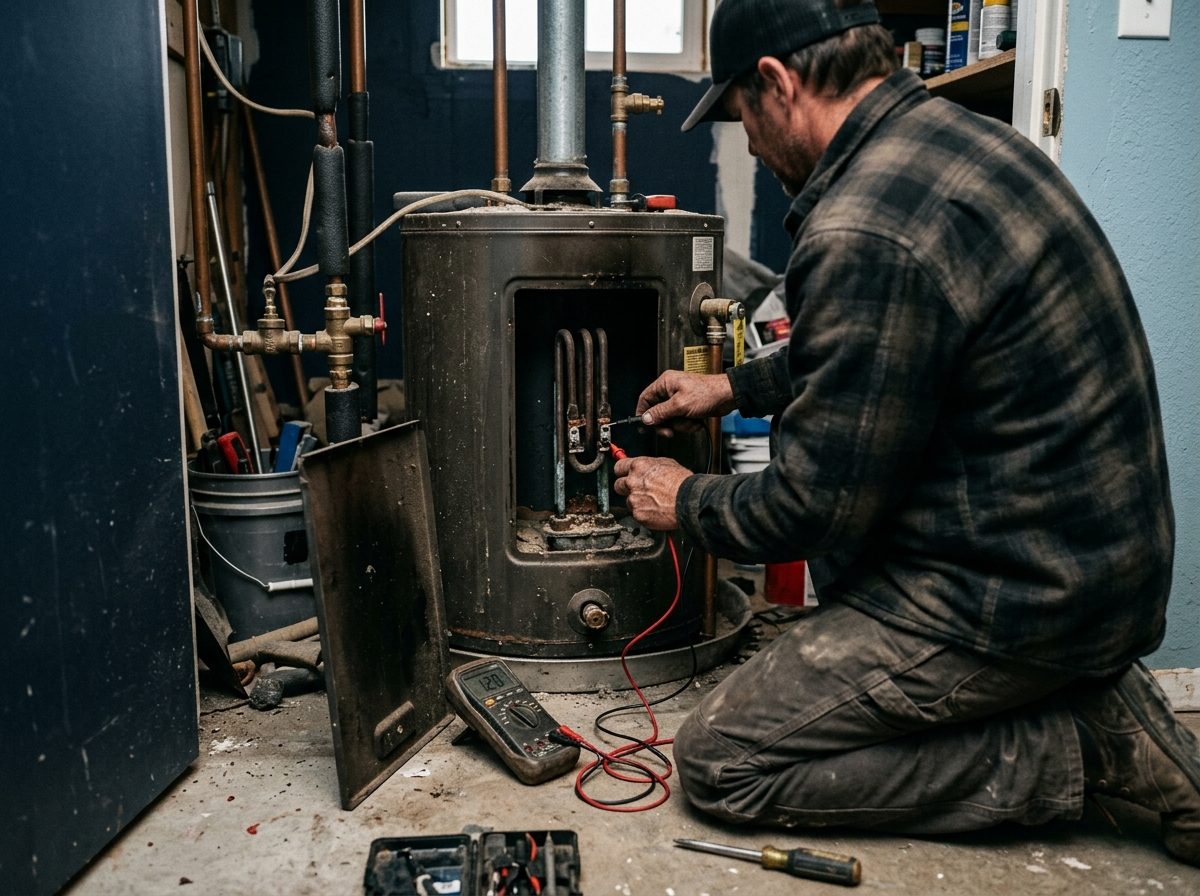
Wells, septic and hydronic heat
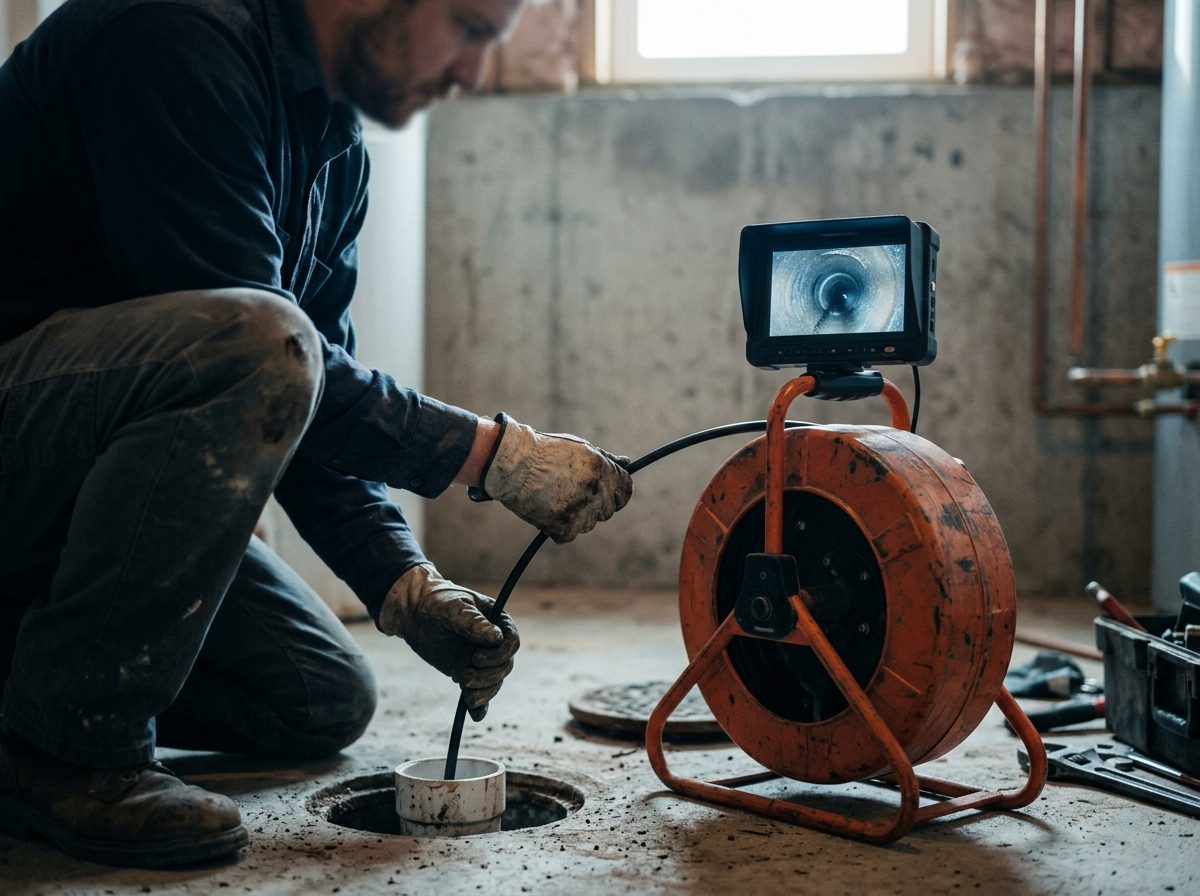
Three systems generate most calls. Wells, where the usual faults are a pressure tank that has lost its air charge and is cycling the pump, a pressure switch that has stopped making contact, or a pump at the end of its life — all presenting as nothing at the tap. Septic systems, which need pumping every three to five years and signal trouble by slowing every drain at once. And hydronic heat, common in cold buildings and unfamiliar to anyone used to forced air.
The trade boundary matters before you call: from the pressure tank into the house is ordinary plumbing, while the pump, drop pipe and casing wiring are well-system work. What the gauge reads and whether the pump runs usually decides which one you need.
For a building standing empty through winter, draining is the dependable answer rather than trusting a thermostat: water off at the source, drained from the lowest point, taps opened so air can replace water, appliances dealt with, and plumbing-rated antifreeze in traps. Done partially it holds water in exactly the low points that split — and gives false reassurance.
Altitude matters for appliances too. Combustion units produce less than their labels suggest up here, and midwinter inlet water is close to freezing, so a heater specified on average conditions falls short exactly when demand peaks.
Cold air on the canyon floor
Cold air drains downhill and settles on the canyon floor overnight, so temperatures here sit below what the metro forecast suggests, and steep sides keep parts of the community in shade for much of a winter day.
Crawlspaces, exposed runs, well houses and additions built to a lower insulation standard are where trouble starts. Where a run has frozen once it will freeze again unless the exposure changes, so insulation and air sealing come before heat tape — and existing tape needs testing each autumn because it fails silently.
Heat tape never tested? It fails silently — check it before the first freeze.
Ask about freeze protectionAccess decides the answer
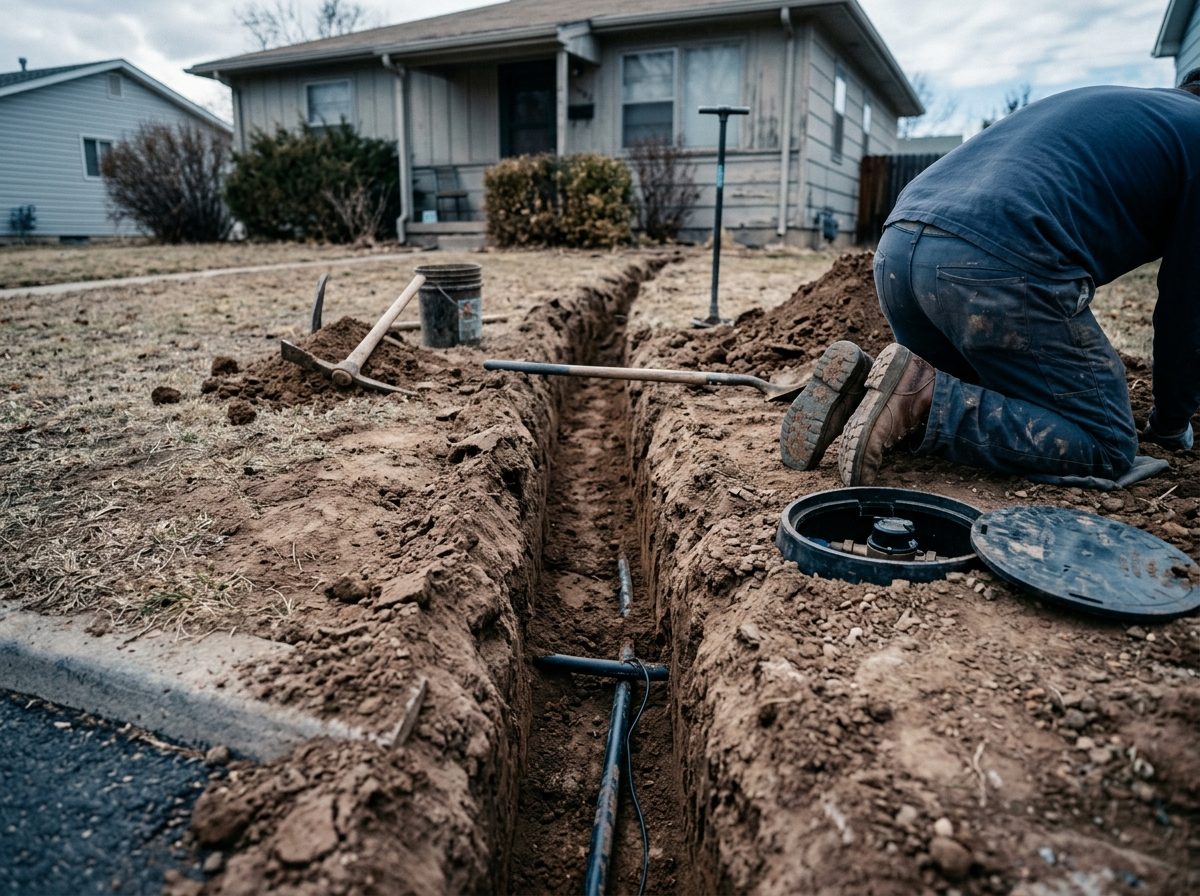
Steep unplowed drives, private roads and long last stretches all affect whether a service truck reaches a house, and some contractors will ask you to meet them lower down.
Say what the access looks like when you call. It determines who takes the job, what they bring, and how long the window is — and it avoids the worst outcome, which is a plumber driving up and turning back.
Drive unplowed or steep? Say so when you call — it decides who can come.
Ask about winter accessArriving at a cold house
Close the main shutoff before applying heat anywhere, then check the lowest ceiling and the crawlspace for damp. A split line starts leaking the moment it thaws.
The first ten minutes of a leak
In a canyon where help may be half an hour away in good weather and considerably longer in bad, what the property owner does before anyone arrives determines most of the damage. The sequence is short and worth knowing by heart rather than looking up while standing in water.
Close the main shutoff first, before investigating anything. If the shutoff is unknown or will not turn, that is a problem to solve on a dry afternoon, not during a leak — and it is the single most valuable ten minutes of preparation available to anyone living up here. Next, open the lowest tap in the building, which drains the system downward and stops the remaining water in the pipes from finding the break. If the leak is on the hot side, switch the water heater off at its power or gas supply so it is not firing into a draining tank.
Then deal with the water already out. Move what matters out of its path, lift what can be lifted, and get air moving through the space if it is safe to do so, because the difference between wet and ruined is often measured in hours. Photograph everything before you tidy, for the insurer. And when you call, say where the water is coming from, whether it is hot or cold, and whether it has stopped since the main was closed — those three answers shape what turns up.
Nearby communities
Kittredge sits in Bear Creek canyon just below Evergreen, with Idledale, Morrison and Indian Hills nearby.
Kittredge, Colorado
Bear Creek canyon questions answered
It depends where the fault is. From the pressure tank into the house is ordinary plumbing. The pump, drop pipe and casing wiring are well-system work needing specific equipment. Saying what the gauge reads and whether the pump runs settles which trade should be sent.
That is short-cycling, usually caused by a pressure tank that has lost its air charge. The tank holds a cushion so the pump runs once every few minutes rather than constantly. Left alone it wears the pump out quickly, so it is worth fixing promptly.
Three to five years for most households, sooner where the tank is small or usage is heavy. Every drain slowing at once rather than one fixture is the classic signal, along with unusually lush growth over the field or a backup after a busy weekend.
That is the pressure relief valve doing its job, which means system pressure is climbing too high — commonly a failed expansion tank, a fill valve not closing, or overheating. Do not cap it. Note whether the gauge climbs as the system heats, because that speeds the diagnosis.
Because cold air sinks and pools on a canyon floor, so overnight temperatures here sit below the metro figure, and steep sides keep parts of the community in shade through the day. Pipe that would be fine a few miles east is not necessarily fine here.
Tape can look intact and be dead. Age, rodent damage and being unplugged during unrelated work are the usual causes, none visible at a glance. Test it before the freeze season and check the whole length of the run, since tape often covers less pipe than assumed.
Sometimes, and it depends on the vehicle and the grade. Many contractors will ask you to meet them at the bottom, and some will not attempt a steep unplowed drive. Describing the last stretch honestly prevents a wasted trip for both sides.
For gas units, yes. Thinner air reduces combustion output, so manufacturers derate above certain elevations and may specify different models. Combined with cold winter inlet water, that is why a heater which coped in summer falls short in January. Size for winter conditions.
Close the main shutoff, then open the lowest tap in the building so the system drains downward away from the break. Switch the water heater off if the leak is on the hot side. Then move belongings out of the water and photograph the scene before clearing up. Only after that is it worth trying to work out exactly what failed.
Find it before you need it. It is usually where the supply enters the building, often in a crawlspace or near the pressure tank on a well, and it should be turned once to confirm it actually works — a seized valve is far better discovered dry. If it will not turn, have it replaced as planned work. Note the location where the whole household can find it.
Bear Creek canyon
Kittredge, Idledale, Morrison, Indian Hills and Evergreen.
(833) 621-2904 — answered 24/7, statewide.