Plumber in Strasburg, CO — one call, any hour
Home / Areas / Denver Metro / Strasburg
Strasburg is a plains town east of the metro, surrounded by farmland and acreage. Most properties handle their own water and waste, the exposure is open plains, and frost runs deeper here than anywhere in the built-up Front Range.
A plains town east of the metro
In town the housing is modest and the plumbing straightforward. Outside it, properties take on the character of working holdings: outbuildings with their own supply, stock water, hydrants, a private well and a septic field, connected by a great deal of buried line.
Aurora is within reach, which helps with response times, but the properties themselves behave like rural ones. Bundling pays — a plumber coming out will want to justify the trip, and presenting a list gets better value than four separate calls.
Several jobs waiting? List them and book one visit rather than four.
Ask about a single visit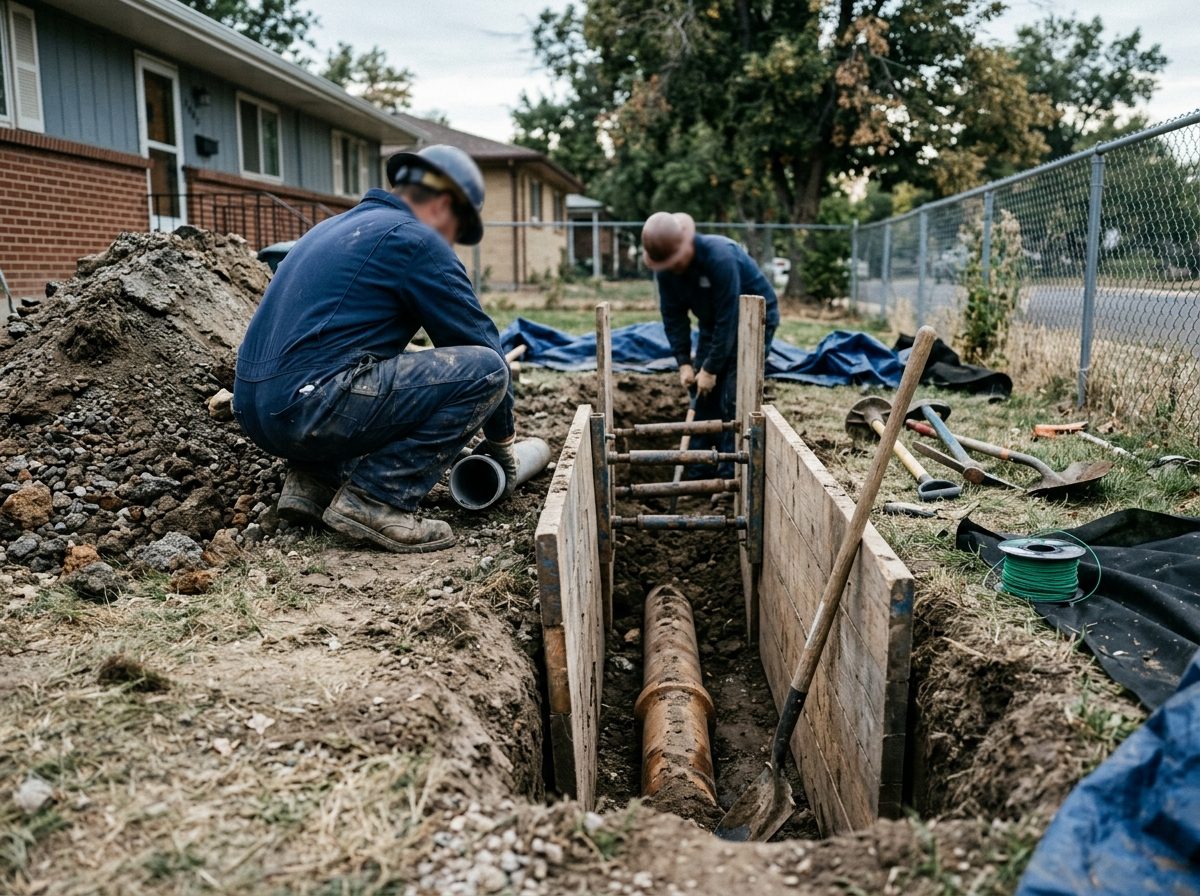
Scope shapes the visit
The most useful information on a call is scope rather than symptom: how many buildings take water, what the source is, and how far the furthest fixture sits from the pump. Those answers determine what parts and equipment come on the truck.
They also determine how a leak is found. On a holding with several hundred feet of buried line, the first step is confirming water is leaving the system at all — with everything shut off, movement at the gauge or meter over an hour proves it — and then isolating sections to narrow which run is at fault before anyone digs.
Stock water brings its own list too. Float valves in tanks stick open and overflow, wasting water and turning ground to mud, or stick shut and leave animals without water — the second being considerably more serious. Checking floats during the autumn walk-round rather than waiting for a failure is worth the few minutes it takes.
Wells and water quality
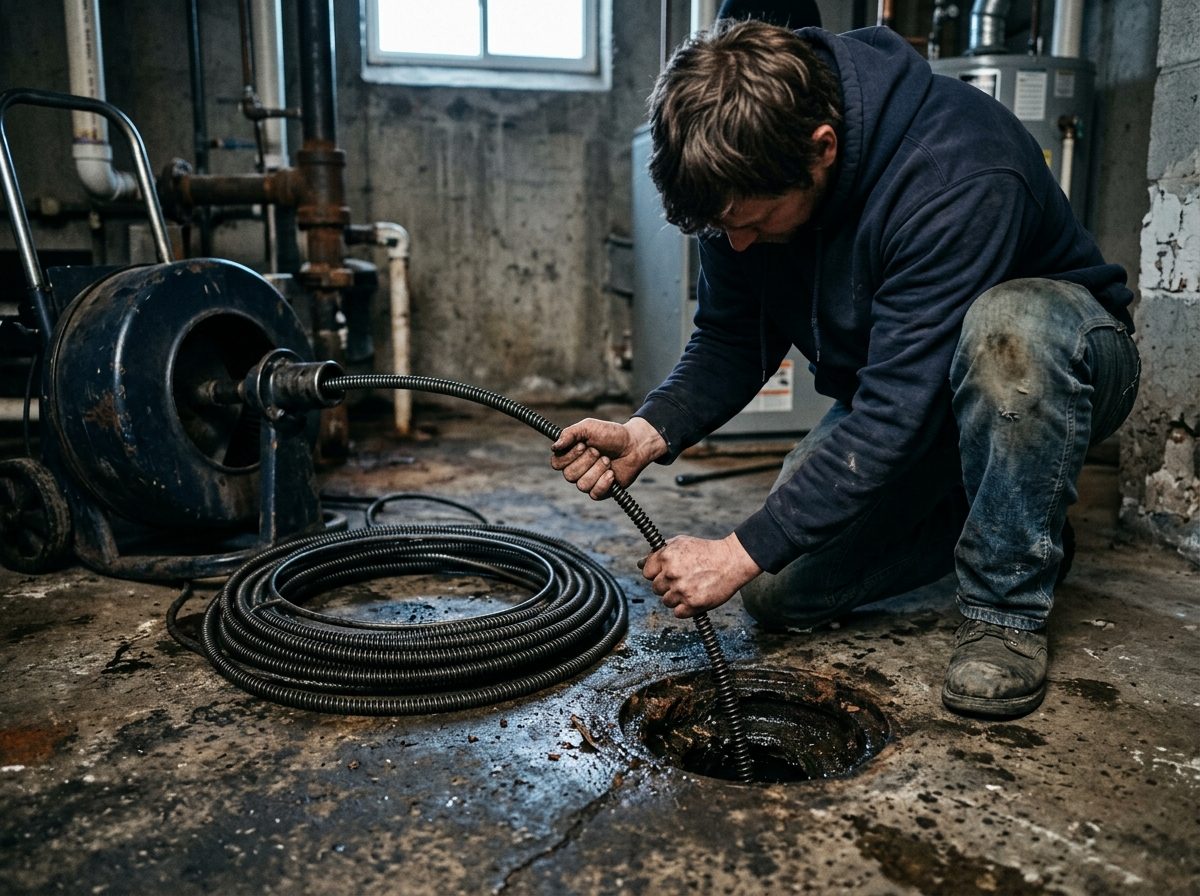
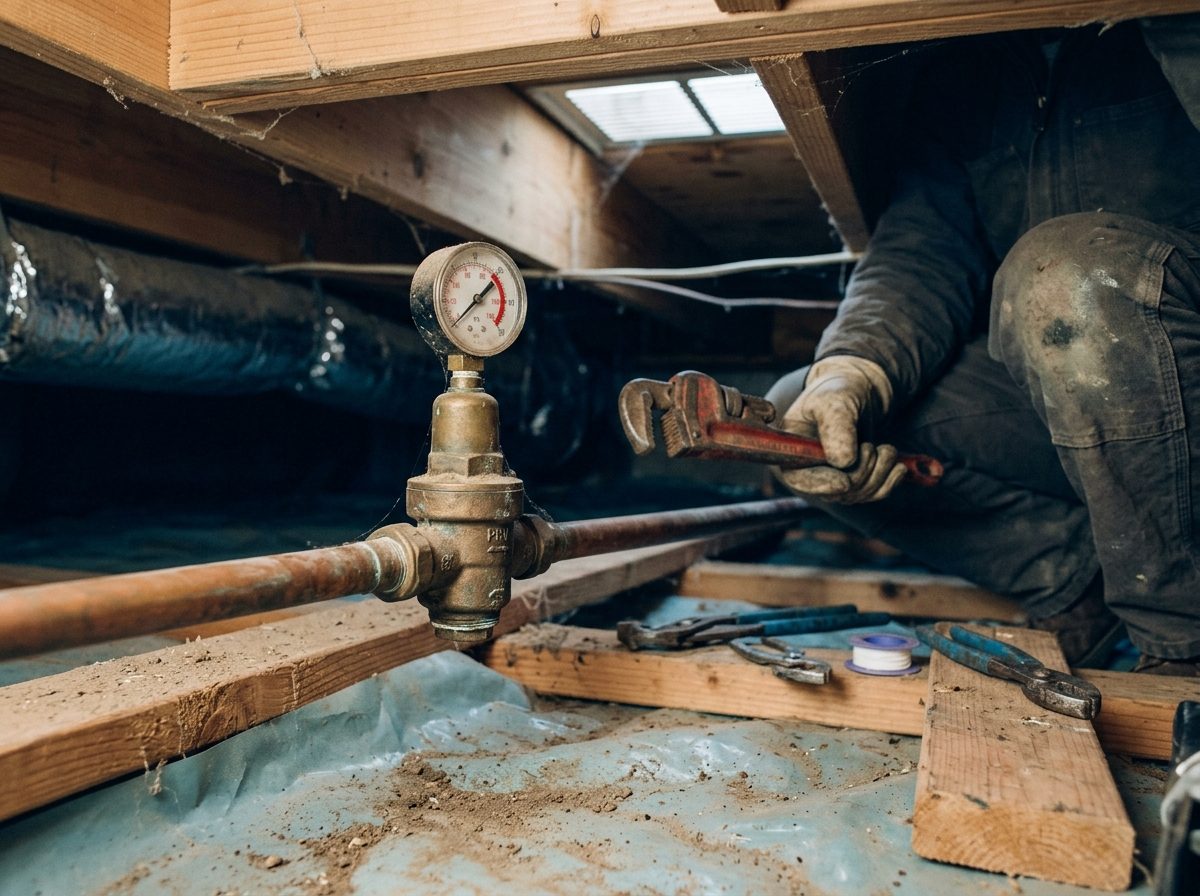
Three faults account for most well calls: a pressure tank that has lost its air charge and is cycling the pump every few seconds, a pressure switch that has stopped making contact, and a pump at the end of its working life. What the gauge reads, whether the pump runs and whether the breaker has tripped are the answers that narrow it.
Water quality deserves separate attention. Composition varies property to property out here and nobody is testing it on your behalf. Hardness affects appliances and fixtures, iron stains, and other results matter for the people and animals drinking it — so test before buying treatment.
Unsure what is in your water? Test before buying any treatment.
Ask about a water testDeep frost and hydrants
Frost runs deep here and there is no shelter from wind. Buried lines, hydrants and stock tank feeds all sit closer to the frost line than an equivalent installation in the metro, and anything above ground loses heat continuously.
Frost-free hydrants are the classic failure. They drain their standpipe below the frost line whenever they close, and one that weeps has usually stopped draining — so the standpipe holds water and splits underground in the first hard freeze. Testing every hydrant each autumn is the most cost-effective habit available here.
Hydrant weeping or stiff? Deal with it before the freeze, not after it splits.
Ask about a yard hydrantDistance, parts and getting it done in one visit
Out here the practical cost of a repair is not only labour and parts but the round trip, and that changes what counts as sensible advice. A component that would simply be replaced in a city because the supplier is fifteen minutes away deserves a different conversation when the nearest counter is forty miles from the property. The question becomes not just what is wrong but what can be finished today.
That makes the phone call do more work here than it does anywhere closer in. The make and model of a water heater, a pump or a pressure switch, photographed from its data plate before anyone sets out, is the difference between a repair and a return visit. So is knowing the pipe material and size at the point of work, and whether there is a working isolation valve anywhere near it.
It also shifts the balance between repair and replacement. On an appliance already near the end of its service life, replacing it while a van and a fitter are on site is frequently the better economic decision, even where a repair is technically possible — because the next failure brings the same journey with it. That is a judgement rather than a rule, but it is worth having openly rather than discovering it after the second call-out.
Autumn walk-round
Every hydrant, hose bib, stock tank float and the pump house, once, before the first hard freeze. Anything that drips or sticks now becomes digging later.
Nearby communities
Strasburg sits on the plains east of the metro, with Bennett, Byers, Watkins and Agate nearby.
Strasburg, Colorado
Eastern plains questions answered
Confirm there is one first: with everything shut off, watch the gauge or meter for an hour, and movement means water is leaving the system. If there are isolation valves between buildings, closing them one at a time narrows which run is losing water and saves considerable excavation.
Check the breaker for the pump first, then the pressure switch, then what the gauge reads. A tripped breaker and a failed switch are both inexpensive and both look exactly like a dead pump from inside the house. If the pump runs but pressure cycles rapidly, suspect the pressure tank.
Yes, and out here nobody else is doing it for you. Composition varies property to property, so hardness, iron and other results differ from a neighbour’s. Test before buying any treatment equipment so the equipment addresses the problem you actually have.
It is a poor candidate for waiting. The hydrant drains its standpipe below the frost line whenever it closes, and one that leaks often no longer drains. Water left in that pipe through a hard freeze splits it underground, and here that means digging in deeply frozen ground.
Three to five years for most households, sooner where the tank is small or the household is large. Every drain slowing at once rather than one fixture is the signal that the tank rather than the plumbing needs attention, along with unusually green growth over the field.
That is the sensible approach out here. Give a full list when you call — house, shop, barn, hydrants, tanks — so the right parts come on the truck. A second trip for one fitting is the expensive part of rural plumbing.
Same-day is realistic for urgent problems, since the Aurora service area is within reach. Properties further out on the county roads add drive time. You will get an honest window plus instructions on what to shut off while you wait.
If it is not needed through winter, isolate its branch and drain it — that removes the risk rather than managing it. If it must stay in service, insulate the run and seal air leaks first, then use heat tape as backup, and test the tape each autumn because it fails invisibly.
The make, model and age of whatever has failed, photographed from the data plate; where the shutoff is and whether it turns; and how many buildings on the property take water. For a well, the pressure gauge reading and whether the pump can be heard running. Those details are what make it possible to arrive with the right parts rather than to come back with them.
It depends on how much life is left in it. A repair on a unit near the end of its service life buys months and brings the same journey again when it fails properly. Where a van is already on site and the appliance is old, replacing it usually costs less over the next two years than repairing it does. Worth asking for both numbers.
East of the metro
Strasburg, Bennett, Byers, Watkins and Agate.
(833) 621-2904 — answered 24/7, statewide.