Plumber in Keenesburg, CO — one call, any hour
Home / Areas / Northern Colorado / Keenesburg
Keenesburg is a small plains town serving a wide area of farmland and acreage. Nearly everything distinctive about plumbing here comes from two facts: the water is drawn from private wells whose composition varies property to property, and the exposure is about as unforgiving as Colorado offers.
A small town with a wide catchment
In town, plumbing is ordinary — drains, heaters, fixtures. On the surrounding properties it becomes a property system: buildings with their own supply, stock water, hydrants, a well and a septic field, connected by a great deal of buried line.
Few contractors cover this stretch, so the useful expectation is honest scheduling rather than fast response. For urgent problems, what you do in the first five minutes matters more than arrival time — which is why the phone conversation comes first. For everything else, booking and bundling is what gets work done.
Several jobs waiting? List them and book one visit rather than four.
Ask about a single visit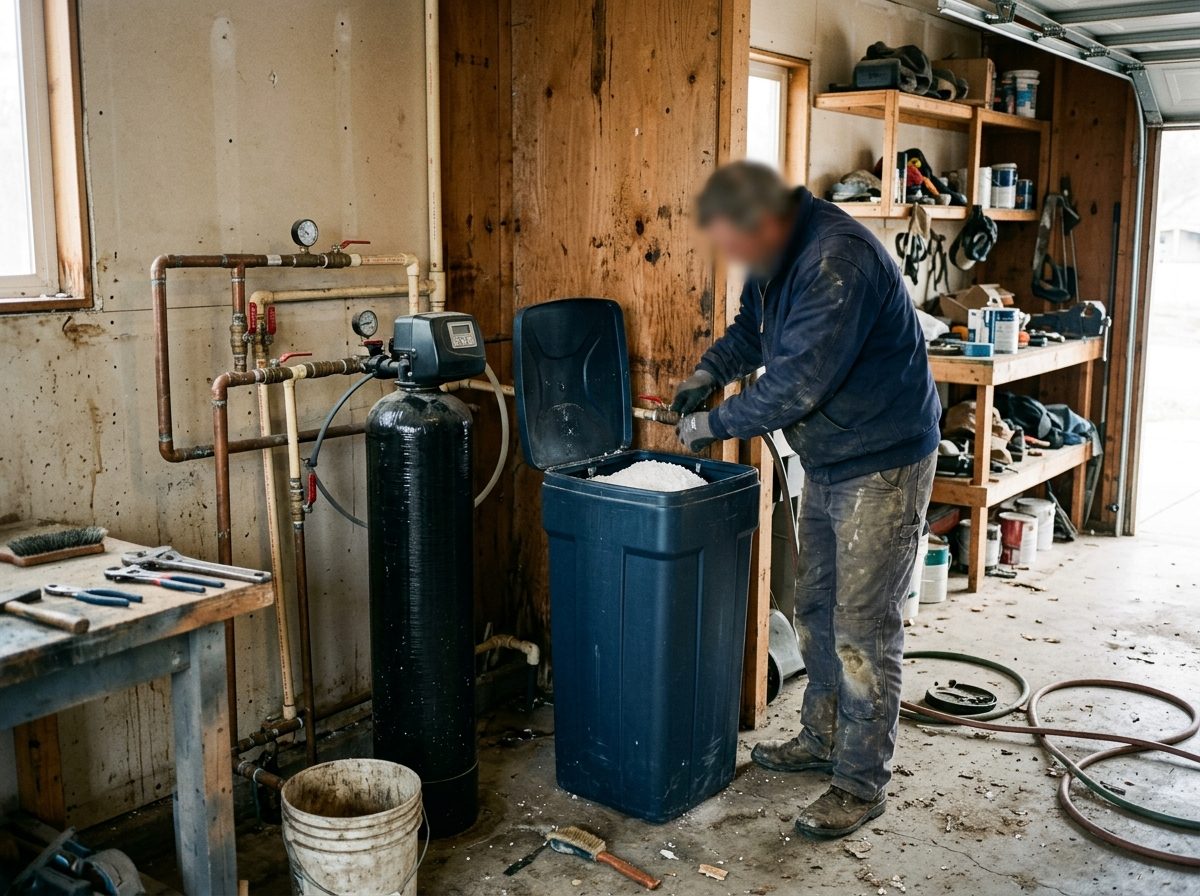
What is in the water
On a private well nobody is testing the water for you, and out here the results genuinely vary from one property to the next. Hardness is normal and works on every appliance and fixture. Iron turns up and stains. Other results matter for the people and animals drinking it.
Test before treating. Softening, filtration and specific treatment address different problems, and buying equipment on the strength of a neighbour's experience is how households end up owning the wrong system. Where treatment is right, sizing it to the household matters more than the brand — and there needs to be somewhere sensible to fit it, with a drain for any regeneration cycle.
Unsure what is in your water? Test before buying any treatment.
Ask about a water test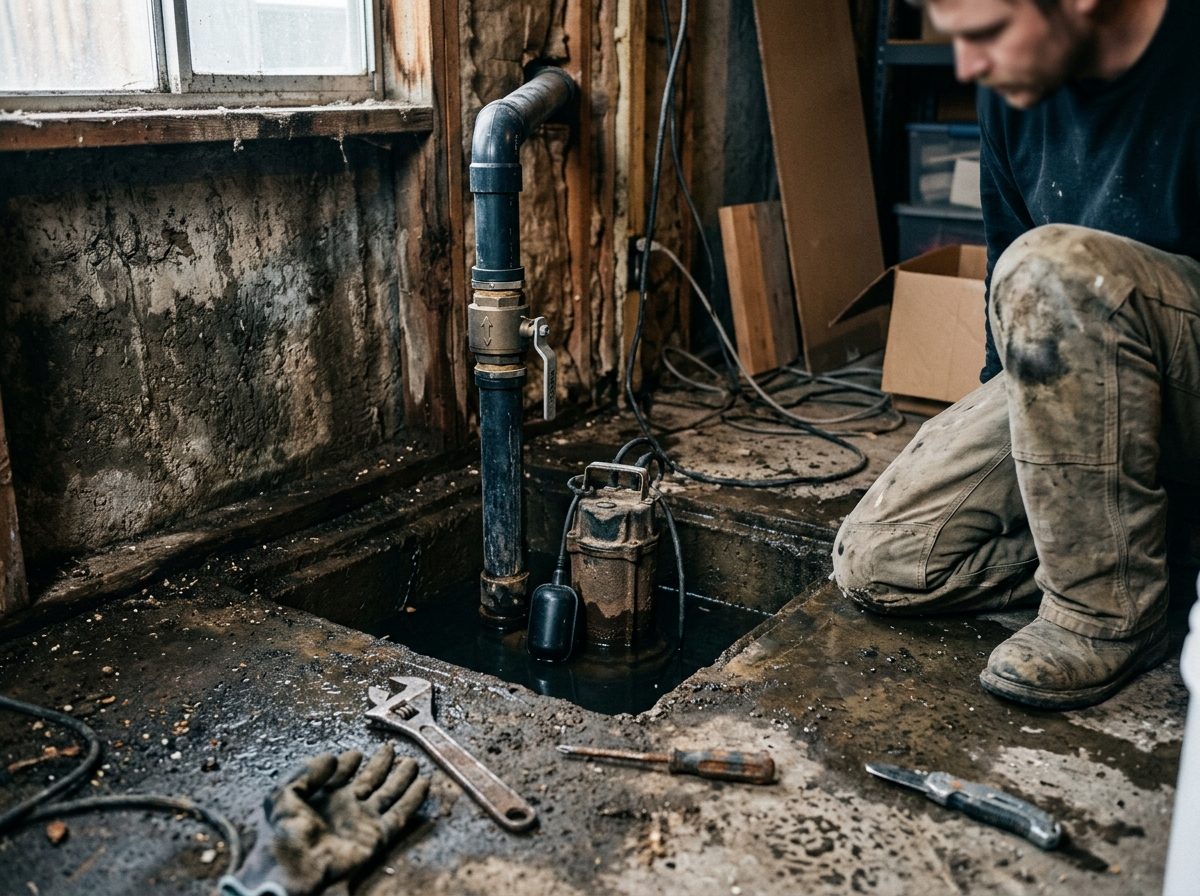
Hydrants and stock water
Frost-free yard hydrants are the characteristic plumbing item of a property out here, and their failure mode is specific. The hydrant drains its standpipe below the frost line each time it closes; when the plunger or seal fails it either weeps continuously or holds water in the pipe. Water standing there through a hard freeze splits the standpipe underground.
Stock tanks bring float valves that stick — open and overflowing, or shut and leaving animals without water. And long buried runs to distant tanks develop leaks that go unnoticed for weeks, because nothing visible changes. A jump in water use with no change in habits is worth taking seriously on a property with that much line in the ground.
Wind and frost on open ground
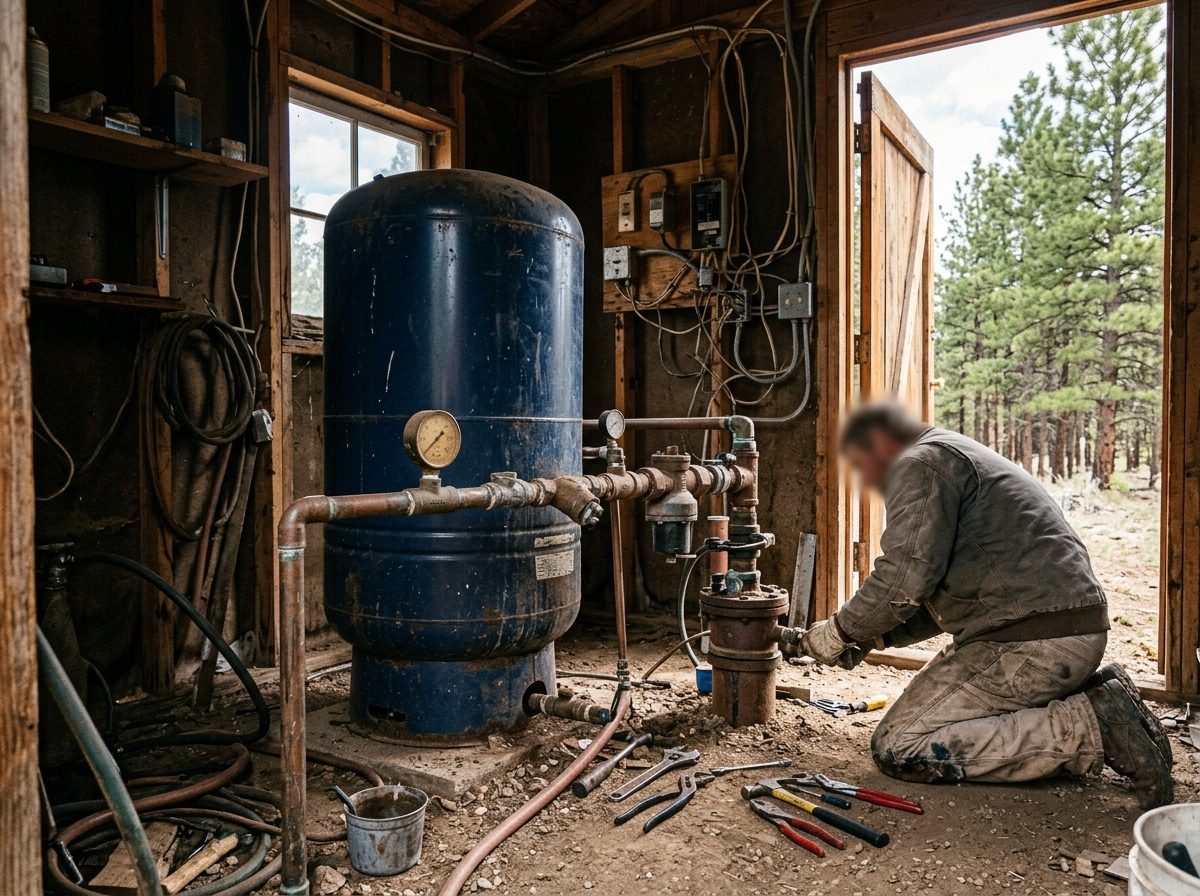
Frost runs deep here and there is no shelter at all. Anything above ground loses heat continuously, and outbuildings freeze first because they are heated least. The pump house is the critical vulnerability, because a freeze there takes out water to the whole property at once.
For buildings not in use through winter, isolating the branch and draining it removes the risk rather than managing it. For lines that must stay live, insulation and air sealing come first, heat tape second — and tape should be tested each autumn, because age, rodent damage and being unplugged during other work all disable it invisibly.
Heat tape never tested? It fails silently — check it before the first freeze.
Ask about freeze protectionThe top of the well, and why it matters
Most attention on a private well goes to the pump and the pressure tank, which are the things that fail visibly. The wellhead gets far less, and it is the part that determines whether surface water and everything in it can reach the water you are drinking. It is worth understanding, because the failures there are slow and invisible rather than sudden.
A few specifics cover most of it. The casing should stand proudly above the ground rather than sitting flush or in a depression, so water running across the surface flows away from it rather than into it. The cap should be a sealed, vermin-proof type in good condition, not a cracked one or something improvised. The ground immediately around it should slope away. And where the connection is made below frost depth through a pitless adapter, that fitting is the seal between the casing and the buried line — if it leaks, it does so underground where nothing shows.
The reason to look at it deliberately is that contamination from a compromised wellhead does not change the taste, smell or appearance of the water. It is found by testing, or not at all. So an annual look at the wellhead and an annual bacterial test are the two habits that actually protect a private supply, and both are worth doing at a fixed point in the year rather than when something prompts them — because nothing will.
Autumn walk-round
Every hydrant, hose bib, stock tank float and the pump house, once, before the first hard freeze. Anything that drips or sticks now becomes digging later.
Nearby communities
Keenesburg sits on the southern Weld County plains, with Hudson, Roggen, Fort Lupton and Bennett nearby.
Keenesburg, Colorado
Southern Weld plains questions answered
Yes, and particularly out here where nobody else is doing it and results vary property to property. Hardness and iron affect appliances and fixtures; other results affect the people and animals drinking it. Test before buying any treatment equipment so the equipment matches the actual problem.
They do different jobs. Softening addresses the calcium and magnesium that leave scale in heaters and on fixtures. Filtration deals with sediment, iron, taste or odour depending on the media used. A water test tells you which you actually need, and it costs a fraction of the equipment.
It is a poor candidate for waiting. The hydrant drains its standpipe below the frost line each time it closes, and one that weeps has usually stopped draining. Water standing in that pipe through a hard freeze splits it underground, and with frost this deep the repair is serious.
Usually a float valve that has stuck open or worn out, and it is a straightforward replacement. The reverse problem matters more — a float stuck shut leaves animals without water. Either way, floats are worth checking during the autumn walk-round rather than waiting for a failure.
On a property with long buried runs, an underground leak is a real possibility and it can continue for weeks with no visible sign. With everything shut off, movement at the gauge or meter over an hour confirms water is leaving the system. Isolation valves then narrow which run is at fault.
Insulation and air sealing first, since that reduces heat loss rather than simply adding heat. Then a reliable heat source sized for the space, and heat tape on exposed pipe as backup. Test everything in autumn — a pump house freeze takes out water to the entire property at once.
It depends who is already working this direction, and you will be told plainly rather than optimistically. For emergencies the phone advice matters as much as arrival time. For routine work, a scheduled visit gets done sooner in practice than waiting for a same-day opening.
That is how work out here should be scheduled. Give a full list when you call — house, shop, barn, hydrants, tanks — so the right parts come on the truck. Two jobs on one road is also easier to justify than one, so it is worth asking a neighbour.
That the casing stands above the ground rather than sitting in a low spot, that the cap is a sound sealed vermin-proof type, and that the ground slopes away from it. Those three things keep surface water out. Pair the look with an annual bacterial test, since contamination from a compromised wellhead does not change how the water tastes or looks.
Bacteria annually as the baseline, and every few years the things that change slowly — hardness, iron, manganese, nitrate. Nitrate is worth including in farming country in particular. Test after any work on the well, after high water near the wellhead, and whenever taste, smell or clarity changes. It is cheap next to equipment bought on a guess.
Southern Weld plains
Keenesburg, Hudson, Roggen, Bennett and the surrounding farms.
(833) 621-2904 — answered 24/7, statewide.