Plumber in Hudson, CO — 24/7 by phone
Home / Areas / Northern Colorado / Hudson
Hudson is a small crossroads town on the southern Weld County plains, surrounded by farmland and acreage. Most properties here handle their own water and waste, which means the household owns the whole cycle — and that changes both what goes wrong and what maintenance actually matters.
A crossroads town on the plains
The housing in town is modest and the plumbing straightforward. Outside it, properties take on the character of working holdings: outbuildings with their own supply, stock water, hydrants, a private well and a septic field.
The first useful distinction on a call is which symptom you have. Every drain in the building slowing at once points at the septic side. No water at the tap points at the supply side. Those two send different trades with different equipment, and getting it right first time avoids a wasted visit.
Not sure which side the fault is on? Say whether it is drains or supply — it decides who comes.
Ask what applies to you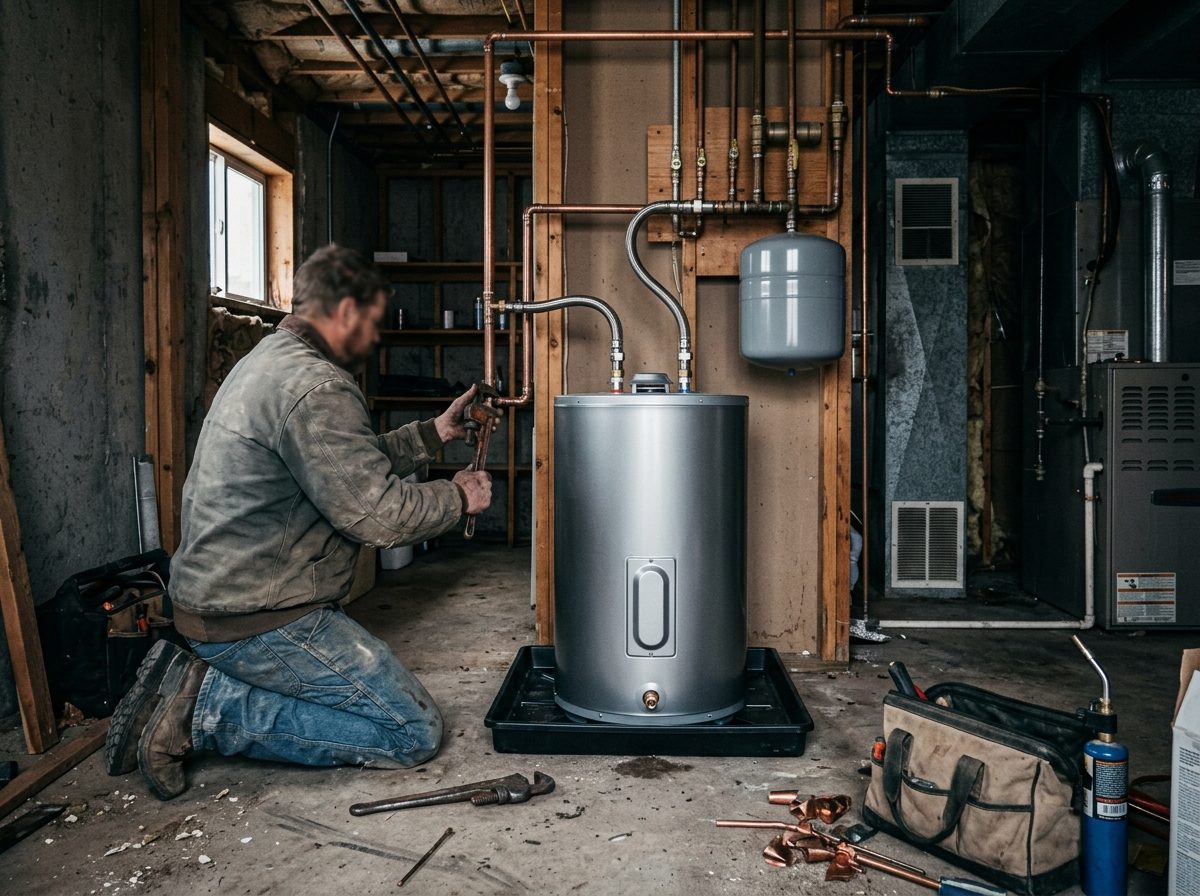
Septic systems and what they need
A septic tank needs pumping every few years — three to five suits most households, sooner where the tank is small or the household large. It is maintenance rather than repair, and skipping it is precisely what turns a scheduled job into an emergency backup.
What goes down the drain matters far more here than on a municipal system, because the tank has to process it. Grease, wipes of any kind including those sold as flushable, coffee grounds and large volumes of harsh cleaning product either will not break down or interfere with the biological action that does the work. All of them shorten the interval between pump-outs.
The warning signs are worth knowing: every drain slowing together rather than one fixture, unusually lush green growth over the field, or a backup after a weekend with a full house.
Well faults and how to narrow them
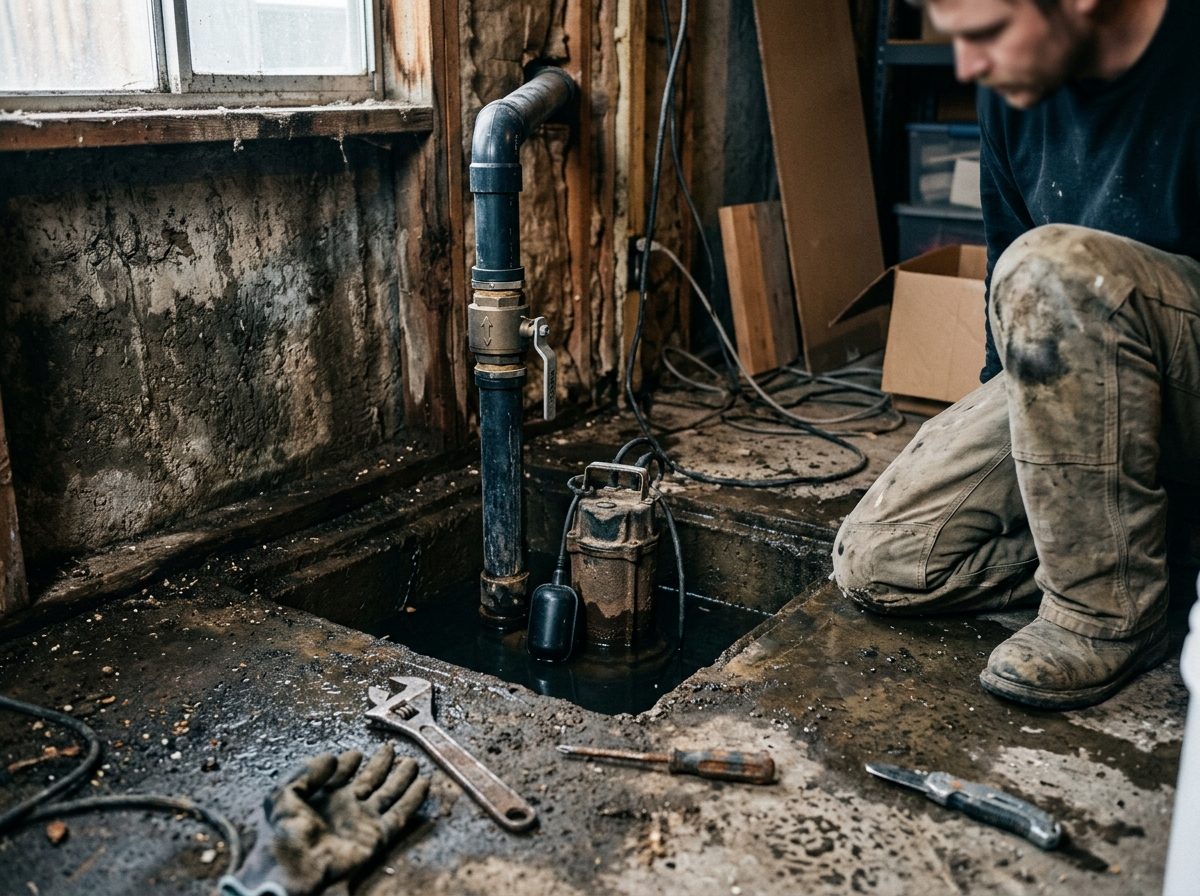
Three things account for most well calls. A pressure tank that has lost its air charge, so the pump starts and stops every few seconds and wears itself out. A pressure switch that has stopped making contact. And a pump at the end of its working life.
Because all three present as poor pressure or nothing at the tap, three answers narrow it before anyone drives out: what the gauge reads, whether the pump can be heard running, and whether the breaker has tripped. A tripped breaker and a failed switch are both cheap, and both look exactly like a dead pump from inside the house.
Nothing at the tap? Gauge reading, pump noise, breaker — those three narrow it fast.
Ask about a well systemFrost depth and exposure
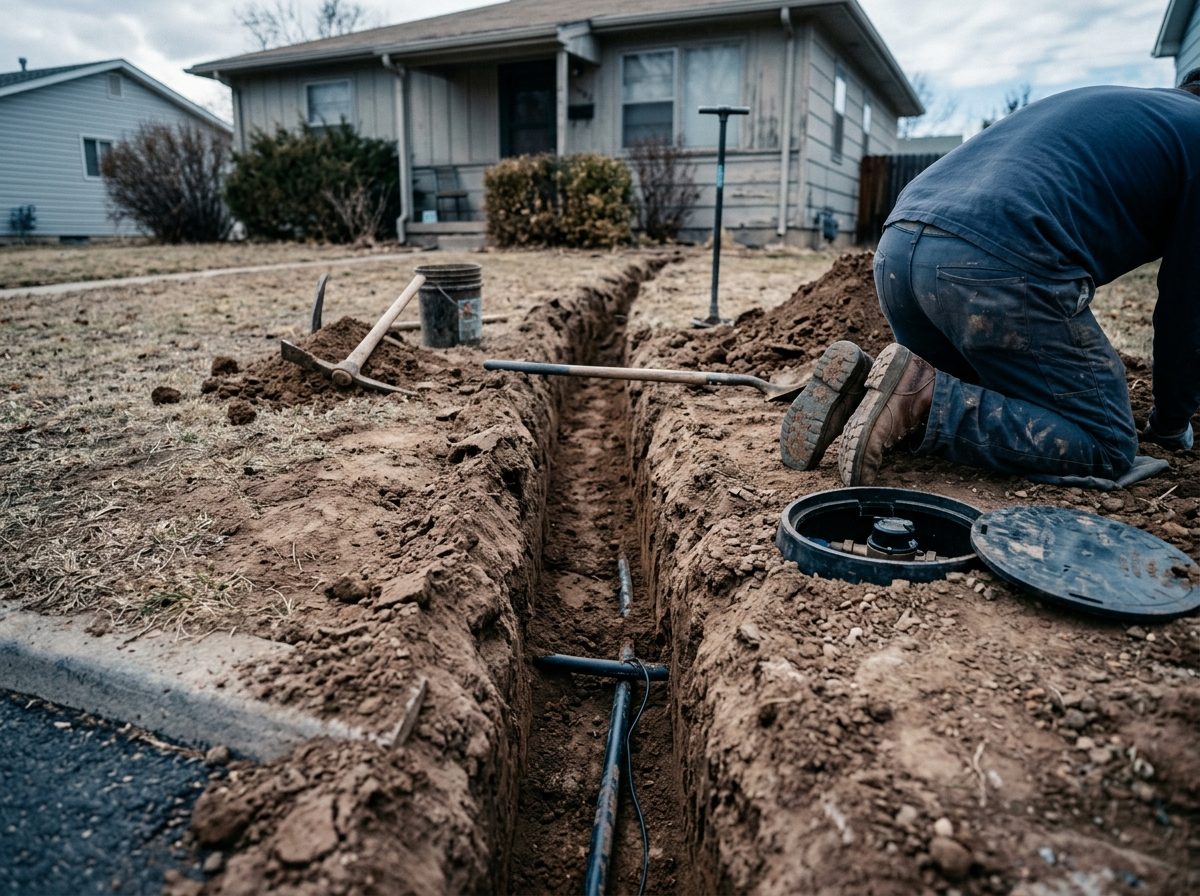
Frost runs deeper on the plains than in the sheltered metro, and there is no protection from wind. Buried lines, hydrants and stock tank feeds all sit closer to the frost line, and anything above ground loses heat continuously.
Hydrants are the classic failure — one that weeps has usually stopped draining, which means the standpipe holds water and splits underground in the first hard freeze. For outbuildings not in use through winter, isolating the branch and draining it removes the risk rather than managing it, and heat tape needs testing each autumn because it fails silently.
Building empty this winter? Draining its line beats trying to keep it warm.
Ask about winterisingThe filter in the septic tank
Many septic tanks have an effluent filter on the outlet — a cartridge whose job is to catch solids that would otherwise carry through to the drainfield. It is a genuinely useful component, because the field is the expensive part of the system and anything that keeps solids out of it extends the field’s life considerably. It is also a component that needs cleaning, and a great many owners do not know theirs exists.
When it blocks, the symptom is dramatic and easy to misdiagnose. Waste stops leaving the tank, so the tank backs up toward the house and every drain in the building slows or stops at once. That looks exactly like a blocked main line, and it is frequently treated as one — which means paying to rod a line that is perfectly clear while the actual cause sits in the tank outlet.
The useful things to know are therefore short. Find out whether your tank has one, which is a question worth asking at the next pump-out rather than researching later. Have it cleaned when the tank is pumped, since the access is already open and the marginal cost is nothing. And if every drain in the house slows at once on a septic system, mention the filter when you call — it is a five-minute check that saves an unnecessary drain-clearing visit, and knowing to look changes where anyone starts.
Two things worth knowing
When the septic tank was last pumped, and where the well breaker is. Between them they cover the two most common reasons a property out here loses the use of its plumbing.
Nearby communities
Hudson sits at a plains crossroads in southern Weld County, with Keenesburg, Fort Lupton and Brighton nearby.
Hudson, Colorado
Southern Weld County questions answered
When every drain slows at once rather than one fixture, the tank or field rather than the plumbing is usually the problem. Check when the tank was last pumped. Other signals worth noting are unusually lush green growth over the field and backups after a weekend with a full house.
Three to five years for most households, sooner where the tank is small or the household is large. It is maintenance rather than repair, and skipping it is exactly what converts a scheduled job into an emergency. Keeping a note of the last date is genuinely useful.
Grease, wipes of any kind including those sold as flushable, coffee grounds and large volumes of harsh cleaning product. The tank relies on biological action to break down waste, and those either will not break down or interfere with what does. All of them shorten the interval between pump-outs.
Check the breaker for the pump, then the pressure switch, then what the gauge reads. A tripped breaker and a failed switch are both inexpensive and both look exactly like a dead pump from inside the house. If the pump runs but pressure cycles rapidly, suspect the pressure tank.
Yes. The hydrant drains its standpipe below the frost line each time it closes, and one that leaks often no longer drains. Water left in that pipe through a hard freeze splits it underground, and with plains frost depth that repair means real excavation.
Yes, and out here nobody else is doing it for you. Composition varies property to property, so hardness, iron and other results differ from a neighbour’s. Test before buying treatment equipment, so the equipment addresses the problem you actually have.
It depends who is already working this direction, and you will be told plainly. For urgent problems the advice on the phone matters as much as arrival time. For routine work, a booked visit is usually faster in practice than waiting for an emergency gap.
If it is not needed through winter, isolate its branch and drain it — that removes the risk rather than managing it. If it must stay in service, insulate the run and seal air leaks first, then use heat tape as backup, and test the tape each autumn because it fails with no visible sign.
On a septic system, the tank rather than the house — and specifically the effluent filter on the outlet if the tank has one. A blocked filter stops waste leaving the tank and mimics a blocked main line exactly. It is a quick check, and mentioning it on the phone can save paying to rod a line that is already clear.
Fats and cooking oils, wipes and hygiene products regardless of packaging claims, coffee grounds, and large volumes of bleach or drain cleaner, which suppress the bacterial action the tank relies on. Volume matters too — a full day of laundry sends more through than the tank can settle, so spreading loads across the week genuinely helps.
Southern Weld County, any hour
Hudson, Keenesburg, Roggen, Fort Lupton and the surrounding farms.
(833) 621-2904 — answered 24/7, statewide.