Plumber in Bailey, CO — one call, any hour
Home / Areas / Mountain Communities / Bailey
Septic systems are harder work in mountain ground than on the plains, and the reasons are geological rather than mechanical. Thin soils over rock, steep slopes and cold ground all reduce what a drainfield can do, which makes the difference between a well-managed system and a neglected one much starker up here.
Septic in mountain ground
A septic system has two halves that fail differently. The tank holds waste while solids settle, and emptying it is routine maintenance. The drainfield disperses the liquid into the surrounding soil, and it depends entirely on that soil being able to accept it.
Mountain sites make the second half harder. Soil depth over bedrock is often limited, so there is less material to do the work. Slopes mean liquid can travel laterally rather than percolating. And cold ground slows the biological activity that breaks down what reaches it. A field that would handle a household comfortably at lower elevation can be working near its limit here.
Unsure when the tank was last pumped? If nobody knows, that is the answer — it is due.
Ask about a tank pump-out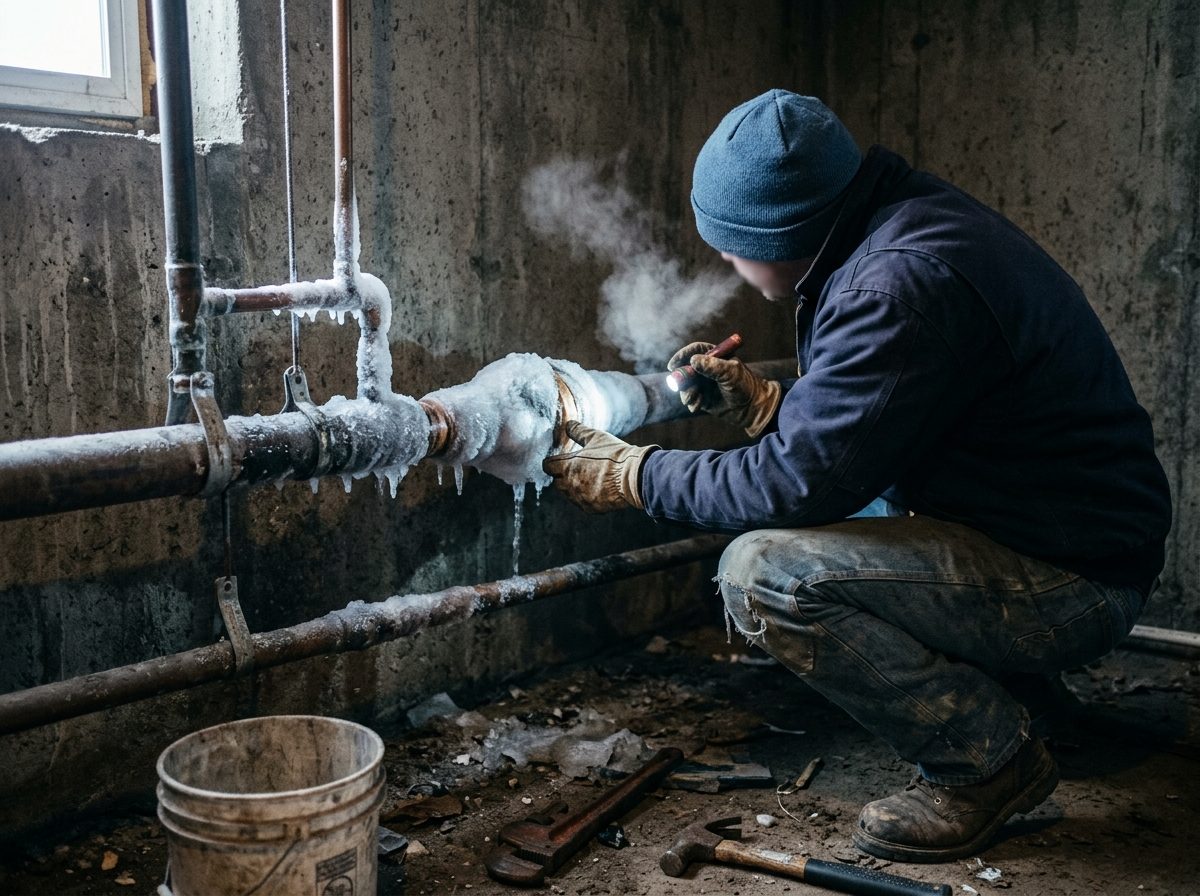
Why fields fail up here
Fields fail for three reasons, and only one of them is bad luck. The first is carry-over: solids escaping a tank that was not pumped on schedule, reaching the field and clogging it permanently. That is preventable, and it is the whole argument for maintenance.
The second is hydraulic overload — more liquid arriving than the ground can take. On a mountain lot that can come from the household, but it also comes from surface water: roof runoff, snowmelt, or a slope that channels water across the field. Keeping downspouts, driveways and snow piles away from the field area matters more here than most owners realise.
The third is physical damage. Driving over a field compacts the soil and can crush the distribution pipes, and on a property where parking is limited that happens more often than anyone admits. Marking the field so visitors and delivery vehicles avoid it is free and effective.
Load, guests and weekend use
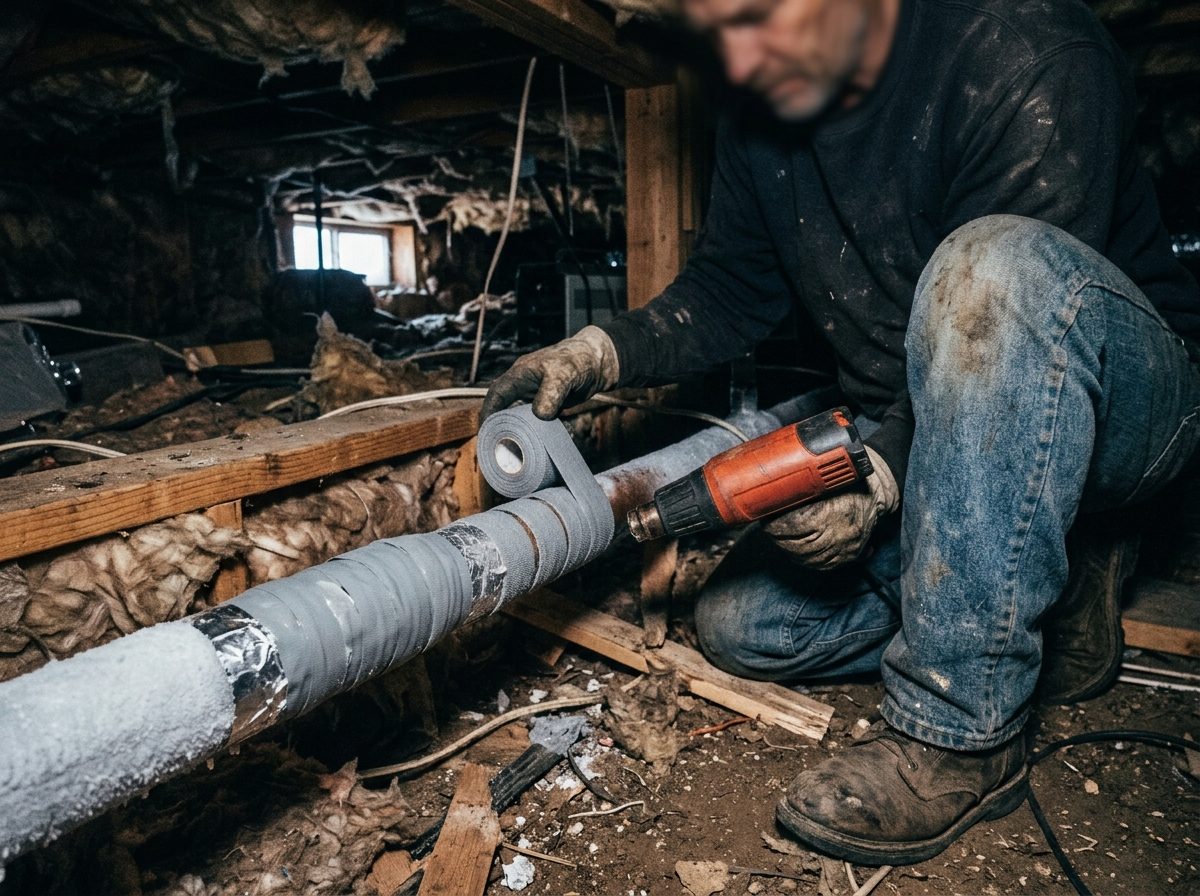
Mountain properties often have loading patterns nothing like a steady household, and septic systems dislike that. A house occupied by two people most of the year and eight people over a holiday weekend imposes a very uneven load — and the tank needs volume and settling time, both of which a sudden surge removes.
The practical consequences are worth planning around. Spread laundry across days rather than running six loads on a departure morning. Stagger showers where a full house allows it. And judge pumping intervals on actual use rather than the calendar: a property used intensively in bursts can need pumping considerably sooner than the three to five years a steady household manages, and going by years alone is how weekend properties end up with field problems.
Property used in bursts? Pumping intervals should follow use, not the calendar.
Ask about a pumping scheduleReading the signs early
Septic problems announce themselves well before they become emergencies, and the signals are worth knowing because acting on them early is the difference between pumping a tank and replacing a field.
Every drain in the building slowing at once — as opposed to one fixture — means the whole system is backing up behind a single constraint. Unusually lush, dark green growth over the field means it is being fertilised and watered, which is not a compliment. Soft or wet ground above the field in dry weather means liquid is surfacing rather than dispersing. Smell outdoors near the field rather than indoors points the same way. And a backup that returns within days of a pump-out is the clearest signal of all: the liquid has nowhere to go, and the field rather than the tank is the problem.
Backup returned soon after pumping? That points at the field rather than the tank.
Ask about a drainfield problemTwo things worth doing this year
Write the last pump-out date somewhere findable, and mark the field so nobody parks, drives or piles snow on it. Both are free, and between them they address the two commonest causes of field failure.
The effluent filter, and a ten-minute job
Many tanks installed here in the last twenty-odd years have a filter in the outlet, sitting in the tee that feeds the field. Its whole purpose is to catch the solids that would otherwise reach the drainfield and shorten its life, which means it is designed to clog.
When it does, the symptom is the whole building draining slowly at once, and it is indistinguishable from the far more expensive problem of a failing field. The difference is that a filter is lifted out, hosed off over the tank and dropped back in — a ten-minute job on a schedule, often annually, and worth pairing with the pumping visit so the lid comes up once rather than twice. It is the cheapest maintenance in the whole system and the most commonly skipped, usually because nobody told the current owner the filter was there.
Nearby communities
Bailey sits along the 285 corridor in Park County, with Pine, Buffalo Creek and Conifer nearby.
Bailey, Colorado
Mountain septic questions answered
Because the drainfield depends on soil that can accept liquid, and mountain sites often have limited soil depth over bedrock, slopes that let liquid travel sideways rather than percolate, and cold ground that slows biological activity. A field that would cope easily lower down can be near its limit here.
The tank holds waste while solids settle, and it is emptied by pumping — routine maintenance. The field disperses the liquid into the soil, and it cannot be pumped clean; once clogged it generally needs replacing. That is why keeping to a tank schedule is really insurance for the field.
Three things. Solids carrying over from a tank that was not pumped on schedule, which clogs it permanently. Hydraulic overload — more liquid arriving than the ground can take, including surface water and snowmelt. And physical damage from vehicles compacting soil or crushing pipes.
Yes, more than most owners expect. A field already working near its limit has little spare capacity, so roof runoff, driveway drainage or a snow pile melting over the field area all add liquid it cannot disperse. Directing all of that away from the field is cheap and effective.
It can shorten the interval rather than lengthen it. Sudden heavy loads remove the settling time and volume the tank relies on, so a property used intensively in bursts can need pumping sooner than the three to five years a steady household manages. Judge it on actual use rather than years.
Spread it out. Laundry across several days rather than six loads on a departure morning, and staggered showers where possible. The tank needs time for solids to settle, and a surge of water pushes liquid through before that can happen — which is how solids reach the field.
That the whole system is backing up behind one constraint, which points at the tank, the field, or the line running out to them rather than at any single fixture. Stop putting water into the building, then check when the tank was last pumped before assuming a blockage.
That is the clearest sign that the field rather than the tank is the problem — the liquid has nowhere to go, so emptying the tank buys only days. Pumping does not address a clogged field, and continuing to pump on that basis postpones a decision rather than solving anything.
The 285 corridor, any hour
Bailey, Pine, Buffalo Creek and Conifer.
(833) 621-2904 — answered 24/7, statewide.