Plumber in Gill, CO — one call, any hour
Home / Areas / Northern Colorado / Gill
Around Gill, plumbing is often livestock plumbing, and that changes the whole priority order. A blocked kitchen drain is an inconvenience. A stock tank that has stopped filling on a cold morning is a welfare problem with a clock on it, and it should be described that way when you call.
When animals depend on the plumbing
The first thing worth saying on the phone is whether animals are affected and how many. It genuinely changes how a call is triaged, and it changes what a plumber brings — a temporary supply arrangement to keep tanks filling while a buried line is repaired is a different proposition from a straightforward fitting swap.
It also changes what counts as a fix. On a farm, restoring water to the animals quickly and repairing the fault properly are sometimes two separate visits, and knowing that in advance is better than discovering it mid-job.
Animals without water right now? Say how many and where — it changes the triage.
Ask about an urgent stock water call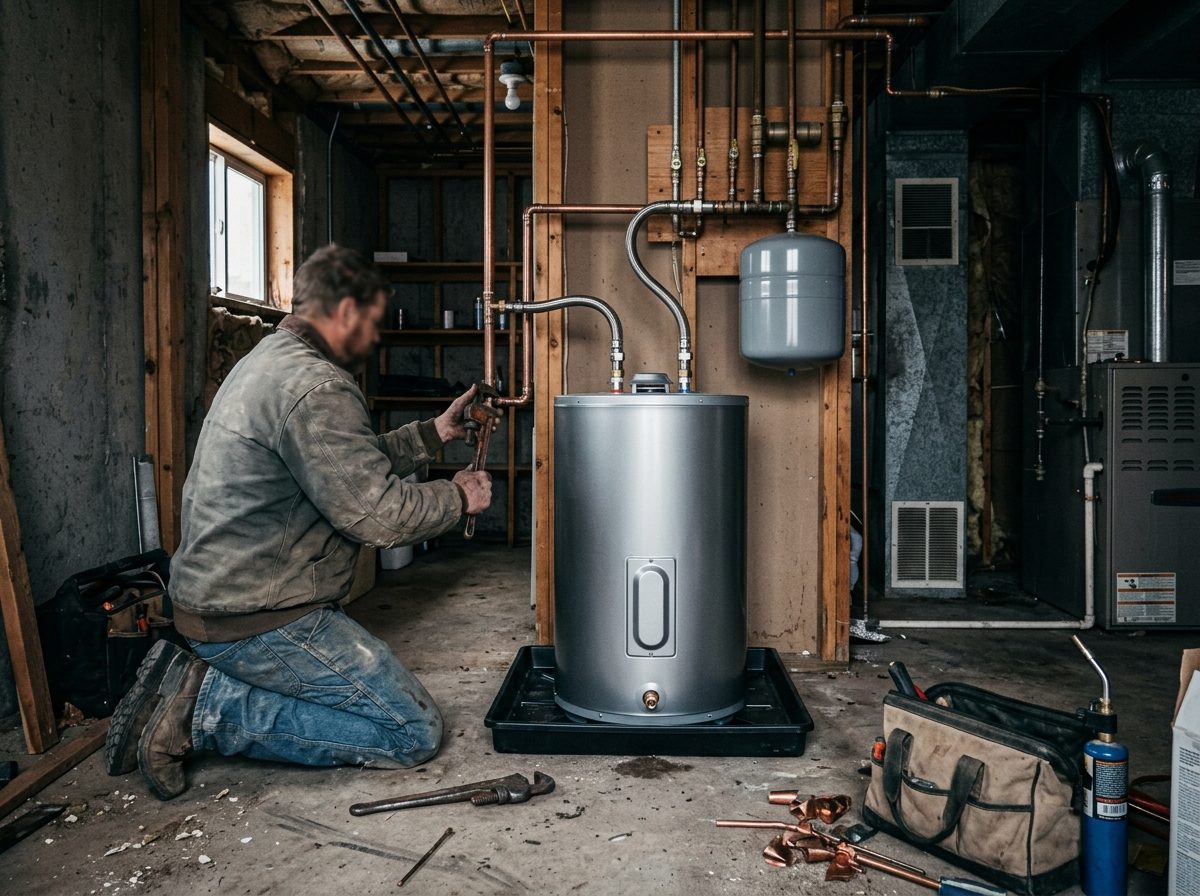
Stock tanks and float valves
Float valves are the most-replaced part in a livestock water system, and they fail in two directions. Stuck open, the tank overflows continuously — wasted water, mud, ice in winter, and a well pump running far more than it should. Stuck shut, the tank simply stops filling, and nothing about the outside of the valve tells you which has happened.
Because animals knock things and freeze-thaw cycles work on everything, valve housings and the pipework feeding them take real punishment. Checking every float during an autumn walk-round rather than waiting for a failure is one of the cheapest habits available on a working property, and carrying a spare valve of the right type is worth doing where the nearest supplier is an hour away.
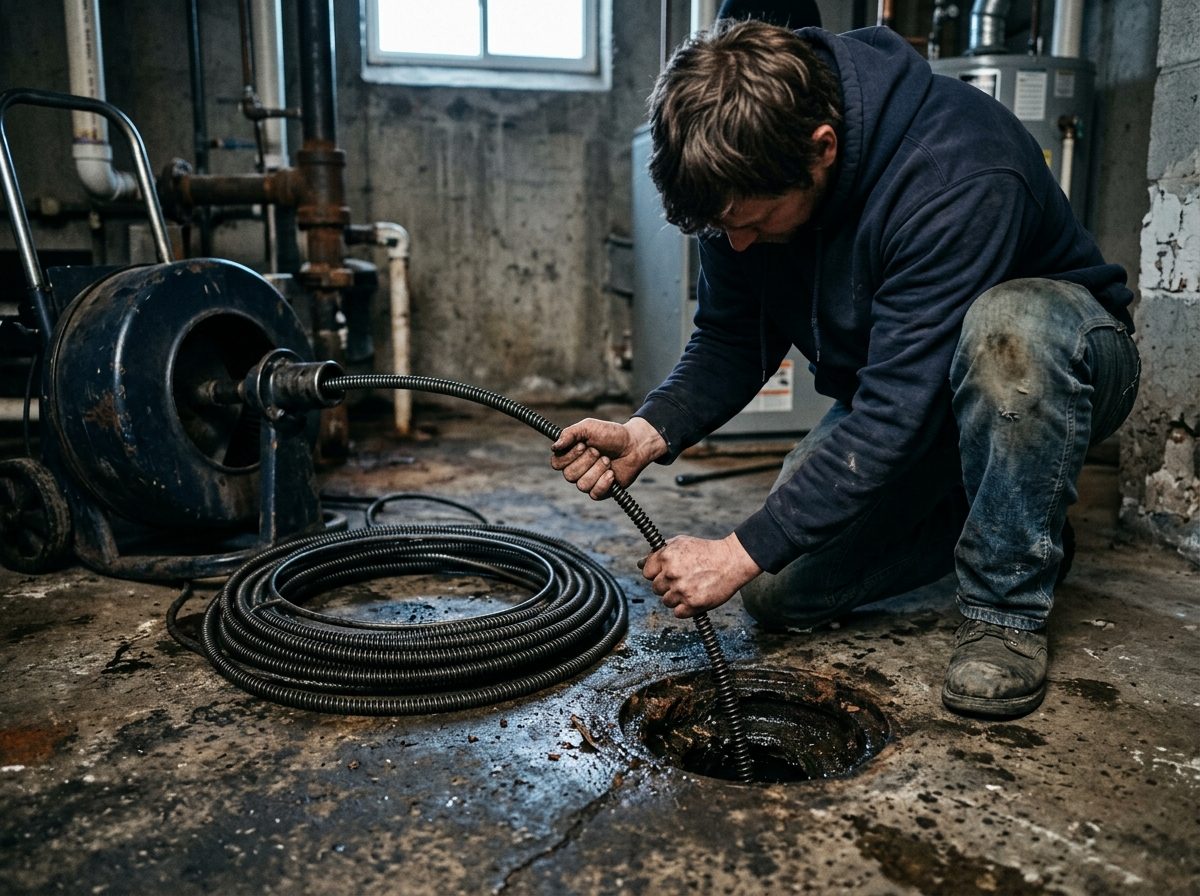
Keeping animal water open in winter
This is the hard part of stock water in Colorado. Animals need liquid water through weeks when everything above ground is trying to freeze, and the approaches all have trade-offs.
Buried supply below the frost line with a frost-free hydrant or an insulated tank is the durable answer. Tank heaters and heated waterers work but depend on power staying on, and a power cut in a cold snap is exactly when they are needed. Heat tape protects exposed runs but fails silently through age, rodent damage or having been unplugged. Whichever combination a property uses, the useful discipline is testing all of it in autumn rather than trusting it in January.
Stock water freezing up? Describe the setup — buried, heated or tape-protected.
Ask about winter stock waterCapacity, not just pressure
A domestic system is judged on pressure. A livestock system is judged on delivered volume over time, and those are different questions. A well that gives perfectly good pressure at the house can still struggle to refill several large tanks on a hot afternoon when the herd drinks hardest.
The symptoms of a capacity problem are distinctive: tanks that fill fine overnight but fall behind in the afternoon, a pump running almost continuously in summer, or pressure that sags only when multiple tanks are calling. The remedies are about storage and staging rather than a bigger pump — a buffer tank, sequenced filling, or larger-diameter runs to the furthest tanks. It is worth diagnosing properly before spending on pump capacity that the well cannot support.
Tanks falling behind on hot days? That is usually capacity, not pressure.
Ask about system capacityProtecting a drainfield you cannot see
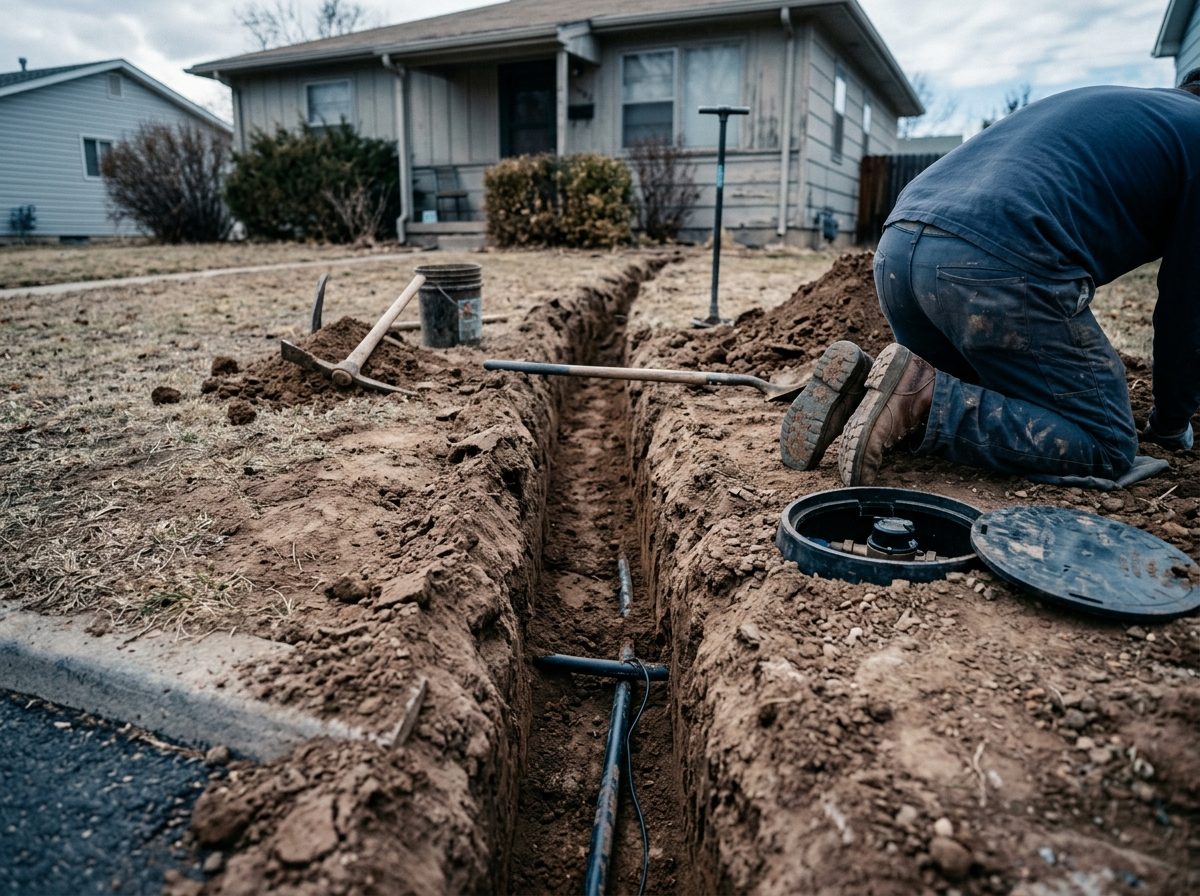
A septic drainfield works by letting water soak into soil that has the structure to accept it, and that structure is easy to destroy from above without noticing. Driving over a field compacts the soil and can crush shallow laterals. Parking equipment or a stock trailer on it does the same thing for longer. And livestock standing on a field in wet weather compacts it as thoroughly as a vehicle does, which on a property with animals is the most common way it happens.
The consequence is not immediate, which is what makes it insidious. A compacted field accepts less water each year until it stops accepting enough, at which point the symptoms arrive all at once: every drain in the building slowing together, wet ground or a smell near the field, backups after heavy use. By then the damage is not reversible by keeping off it, and replacing a field is among the more expensive things that can happen to a rural property.
So the useful work is knowing where it is and keeping things off it. That means knowing the boundary rather than roughly where the tank sits, keeping vehicles, structures, stored equipment and stock off it, not planting anything with ambitious roots on it, and keeping surface water from elsewhere on the property — roof drainage, a driveway, an irrigated area — from running over it. None of that costs anything. All of it is cheaper than the alternative.
Worth keeping on the shelf
A spare float valve of each type you use, and a spare hydrant plunger assembly. Where the nearest supplier is an hour away, the part on the shelf is worth more than the part in the catalogue.
Nearby communities
Gill sits east of Greeley in Weld County farmland, with Kersey, Galeton and Lucerne nearby.
Gill, Colorado
Livestock water questions answered
Yes, and it is the first thing to say when you call. Animal welfare puts a clock on the job that a household inconvenience does not, and it changes both how the call is triaged and what a plumber brings — including whether a temporary supply arrangement is needed while a proper repair is done.
Almost always a float valve stuck open or worn out, and it is a straightforward replacement. It is worth dealing with promptly rather than tolerating: continuous overflow wastes water, turns ground to mud, creates ice in winter, and makes the well pump run far more than it should.
That points at the float valve stuck shut, or at a blockage in the line feeding that tank, rather than at the pump. Nothing about the outside of a float valve tells you which way it has failed, which is why checking them on a schedule beats diagnosing them under pressure.
Buried supply below the frost line feeding a frost-free hydrant or an insulated tank is the durable answer, because it does not depend on power. Tank heaters and heated waterers work well but stop working in a power cut — which tends to happen in exactly the cold snap when they matter most.
That is a capacity problem rather than a pressure problem. The well and the delivery runs can supply enough over a full day but not enough during peak demand. The remedies are storage and staging — a buffer tank, sequenced filling, or larger-diameter runs — rather than simply fitting a bigger pump.
Not necessarily, and sometimes it makes things worse. A pump can only deliver what the well will yield, and oversizing it can draw the water level down and cause the pump to run dry. Diagnosing where the constraint actually sits comes before spending on pump capacity.
Stock the parts that fail most and stop the operation when they do: a float valve of each type in use, and a hydrant plunger assembly. Where the nearest supplier is an hour away, having the common part on the shelf is worth considerably more than a catalogue.
It depends who is already working this direction, though Greeley is not far. For stock water emergencies, say so up front — and expect useful advice on the phone about temporary arrangements, because keeping animals watered while a repair is scheduled is often the real problem to solve.
Yes, more than most people expect. Vehicles compact the soil the field depends on and can crush shallow laterals, and livestock standing on it in wet weather does the same. The damage accumulates invisibly until the field stops accepting enough water, and replacing one is expensive. Knowing the boundary and keeping everything off it costs nothing.
Three to five years suits most households, sooner where the tank is small, the household is large, or a garbage disposal is in regular use. The interval is about how fast solids accumulate rather than anything you would notice day to day. Have the effluent filter cleaned at the same visit if the tank has one — the access is already open.
East Weld County farms
Gill, Kersey, Galeton, Lucerne and Greeley.
(833) 621-2904 — answered 24/7, statewide.