Plumber in Fowler, CO — one call, any hour
Home / Areas / Pueblo & Southern Colorado / Fowler
Along this stretch of the Arkansas valley, water quality is not a niche concern — it is the subject most plumbing conversations end up circling back to. Mineral content is high, and on irrigated farmland with a long history of use, what comes out of a private well varies considerably from one property to the next.
Water quality is the local subject
Households here notice water in ways people on soft municipal supply never do. Fixtures scale up within months of installation. Kettles and shower heads clog. Laundry comes out stiff. Staining appears in basins where iron is present. And on some properties the taste and smell are enough that people simply stop drinking from the tap.
Each of those points at something different, which is why the useful first step is measurement rather than purchase. A test tells you hardness as a number, whether iron or manganese is present, and whether anything else needs addressing. Without it, treatment is guesswork with equipment attached.
Not sure what is in your water? A test turns impressions into numbers.
Ask about a water test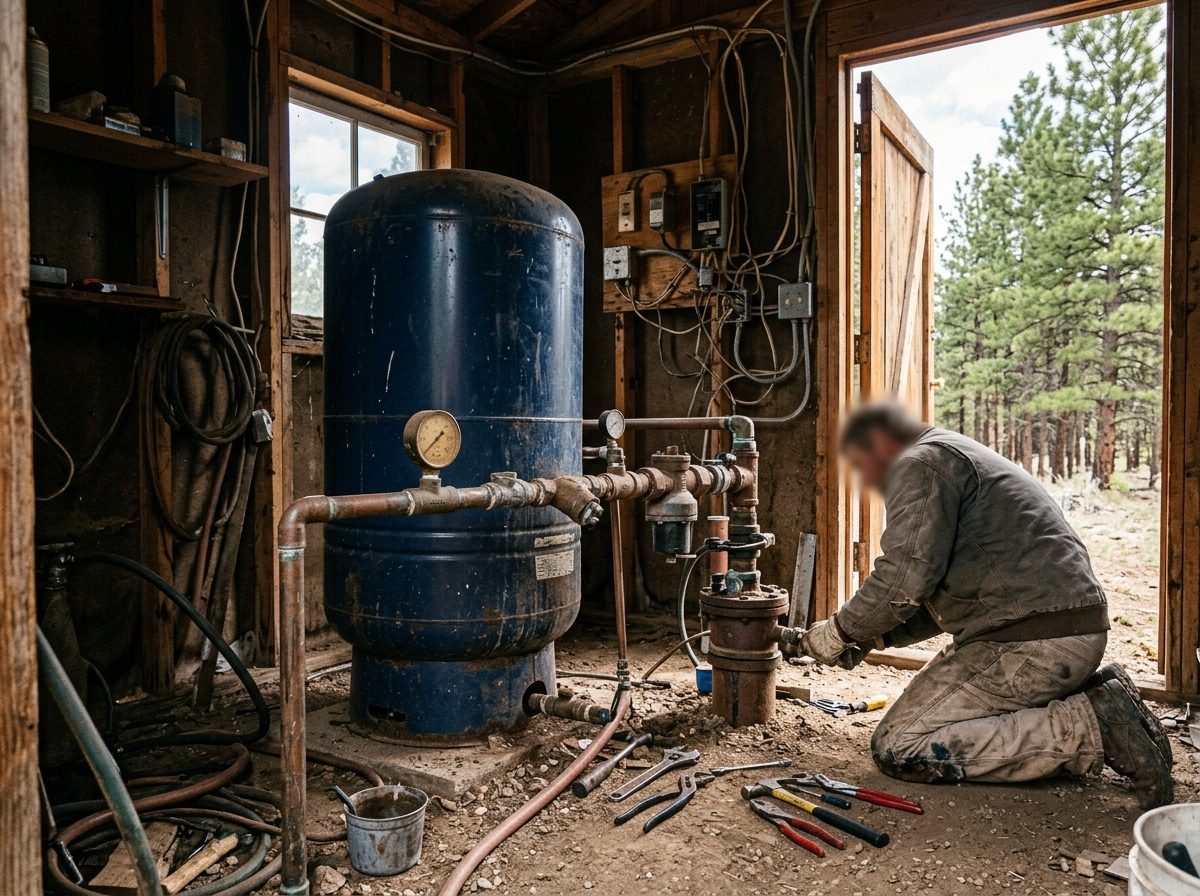
Choosing treatment on evidence
Softening, filtration and specific treatment do genuinely different jobs, and confusing them is how households end up with expensive equipment and the same complaint.
Softening removes the calcium and magnesium responsible for scale — it is what protects heaters and fixtures, and it does nothing for taste or staining. Filtration covers sediment, taste, odour and iron depending on the media chosen. Specific treatment addresses particular results a test has identified. Beyond the media, two practical constraints decide what is actually installable: whether there is a sensible place on the incoming line for the equipment, and whether there is a drain for a regeneration cycle.
Sizing matters more than brand. Equipment sized above the household's demand costs more to buy, more to run, and delivers nothing extra.
What the water does to a heater
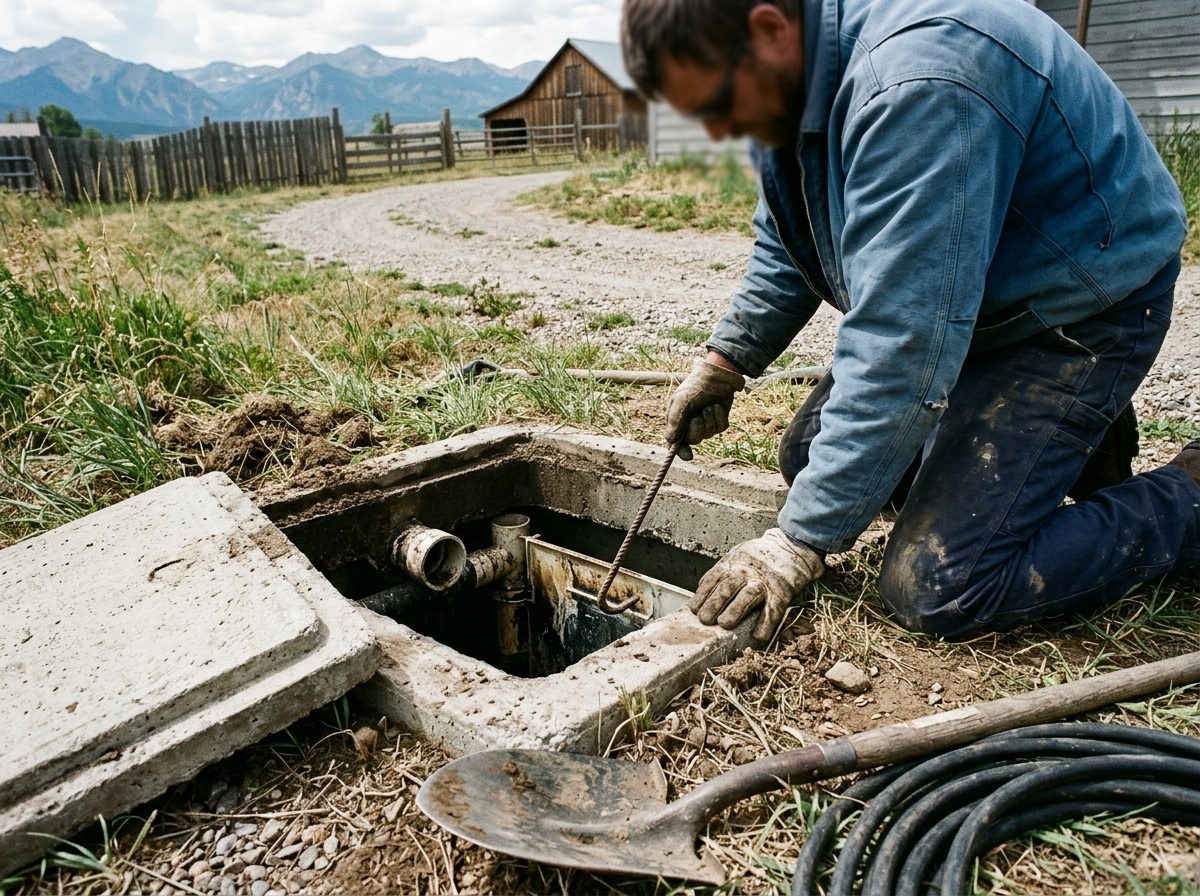
The water heater is where hard water charges rent. Sediment settles across the tank floor, so the burner heats through a layer of scale rather than against clean steel — run times lengthen, recovery slows, and a household that never ran out of hot water starts running out. On electric units the elements scale directly and burn out early.
Two maintenance items matter more here than most homeowners realise. Draining the sediment annually is the obvious one. Less obvious is the sacrificial anode rod: a consumable designed to corrode instead of the tank lining, which in water like this can be entirely used up years before the warranty expires. Replacing a spent rod is cheap; replacing a tank that rusted through because nobody looked at it is not.
Heater older than five years? Ask about the anode rod — it is the part nobody checks.
Ask about heater maintenanceIrrigation and cross-connections
On irrigated valley land, most properties have both domestic water and an irrigation supply, and the point where those two meet matters. Backflow prevention exists to stop water flowing the wrong way — from an irrigation line, a submerged hose end or a piece of equipment back into the drinking supply.
The everyday risks are simple and avoidable. Irrigation tied into domestic water needs the right device on it. A hose bib without a vacuum breaker becomes a cross-connection the moment the hose end sits in a bucket or a tank. And any equipment plumbed into the supply needs isolating properly rather than connecting in the most convenient way. On systems altered over the years it is worth confirming what is actually fitted.
Irrigation tied into your water? Ask what protection it should have before something backs up.
Ask about backflow protectionLiving with a softener once it is in
A water softener is not a fit-and-forget appliance, and most of the complaints about them are really complaints about how they are being run. It works by passing hard water through resin that exchanges the hardness minerals, then periodically flushing that resin with brine to recharge it. Everything that goes wrong is in that cycle.
Salt causes most of it. A bridge is a crust of salt that forms across the top of the tank leaving a void beneath, so the unit appears full while the brine below is exhausted — and the give-away is a softener that has stopped softening while the salt level has not dropped for weeks. Mushing is the opposite problem, salt recrystallising into a sludge at the bottom that blocks the works. Both are less likely with a cleaner salt and a tank that is not habitually overfilled.
The other half is settings. A unit regenerating on a fixed timer rather than on metered use is either wasting salt and water or running out of capacity between cycles, and the hardness figure it was set to should be the number from a test rather than an estimate. Two plumbing details matter as much: outdoor taps and irrigation are normally best left upstream, since there is no reason to soften a lawn or pay salt to do it; and the bypass should be findable, because being able to take the unit out of circuit turns a softener fault into an inconvenience rather than a reason to shut the house off.
Before you buy any treatment
Get a test, and keep the result. It tells you which of three quite different problems you actually have, and it is the only way to size equipment to your household rather than to a brochure.
Nearby communities
Fowler sits east of Pueblo in the Arkansas valley, with Boone, Avondale and the Otero County towns nearby.
Fowler, Colorado
Water quality questions answered
They address different things. Softening removes the calcium and magnesium that leave scale in heaters and on fixtures. Filtration deals with sediment, taste, odour or iron depending on the media used. A water test tells you which problem you actually have, and it costs a fraction of the equipment you might otherwise buy for the wrong reason.
Hardness as a number rather than an impression, whether iron or manganese is present, and whether anything else needs addressing. That matters because scaling, staining and taste complaints have different causes and different remedies, and equipment chosen without a test frequently solves none of them.
High mineral content. Scale forms wherever water sits or evaporates — aerators, shower heads, kettles and the inside of a water heater. It is the most visible symptom of hardness and the cheapest to manage: cleaning aerators when flow drops at one tap, and draining the heater annually.
It is a sacrificial rod inside your water heater that corrodes in place of the tank lining. In mineral-heavy water it can be consumed within a few years, and once it is gone the tank itself starts corroding. Checking and replacing it is inexpensive, and it is the maintenance item most likely to add years to a heater.
Where irrigation ties into domestic water, backflow prevention is standard practice and generally required, because the risk it addresses is contaminated water being pulled back into the drinking supply. The specific device depends on the system and your water provider — ask before a system is installed or reworked.
It can be. A hose whose end sits submerged in a bucket, tank or trough creates a path for that water to be drawn back into the supply if pressure drops. A vacuum breaker on the bib prevents it, and it is an inexpensive fitting for the risk it removes.
Sized to your household rather than to the largest unit available. Oversized equipment costs more to buy, more to run in salt and water, and delivers nothing extra. The test result plus the number of people in the house is what the sizing should be based on.
In town, same-day is realistic for urgent problems with Pueblo not far. Water treatment work is different in character — it is scheduled rather than urgent, and it is worth having the test result in hand before the visit so the conversation is about equipment rather than diagnosis.
Most often a salt bridge — a crust across the top of the tank with an empty void underneath, so it looks full while the brine is exhausted. The tell is a salt level that has not dropped in weeks. Break the crust, check the setting matches your tested hardness, and confirm it regenerates on metered use rather than a timer.
The Arkansas valley
Fowler, Boone, Avondale and the farms east of Pueblo.
(833) 621-2904 — answered 24/7, statewide.