Plumber in Akron, CO — 24/7 help by phone
Home / Areas / Eastern Plains / Akron
Akron is genuinely remote, and honest plumbing advice here starts by acknowledging that. There are very few contractors covering Washington County, the drives are measured in hours, and the practical consequence is that preparation is worth far more than speed.
Distance is the defining fact
For an urgent problem, the realistic question is who is already working in your direction today. You will get an honest window rather than an optimistic promise, and clear instructions on what to shut off and what to move while you wait — because in a place like this, the first five minutes genuinely determine how much damage happens.
For anything not urgent, scheduling is the whole game. A plumber willing to drive out will want to combine several jobs into the trip, so a list is worth money. So is talking to a neighbour who needs something done, because two jobs on one road is a far easier trip to justify than one.
Something needs doing but is not urgent? Book it rather than waiting for an emergency slot.
Ask about a scheduled visit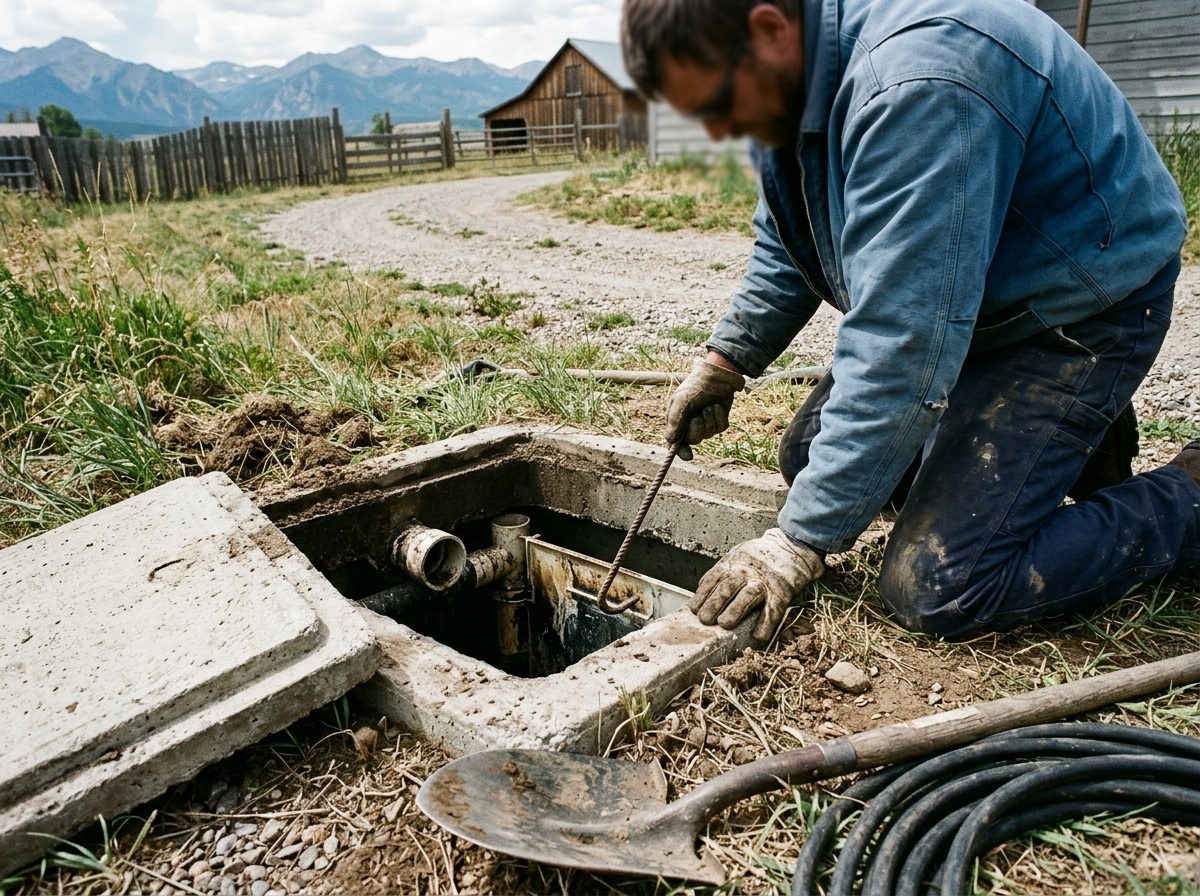
Water quality out here
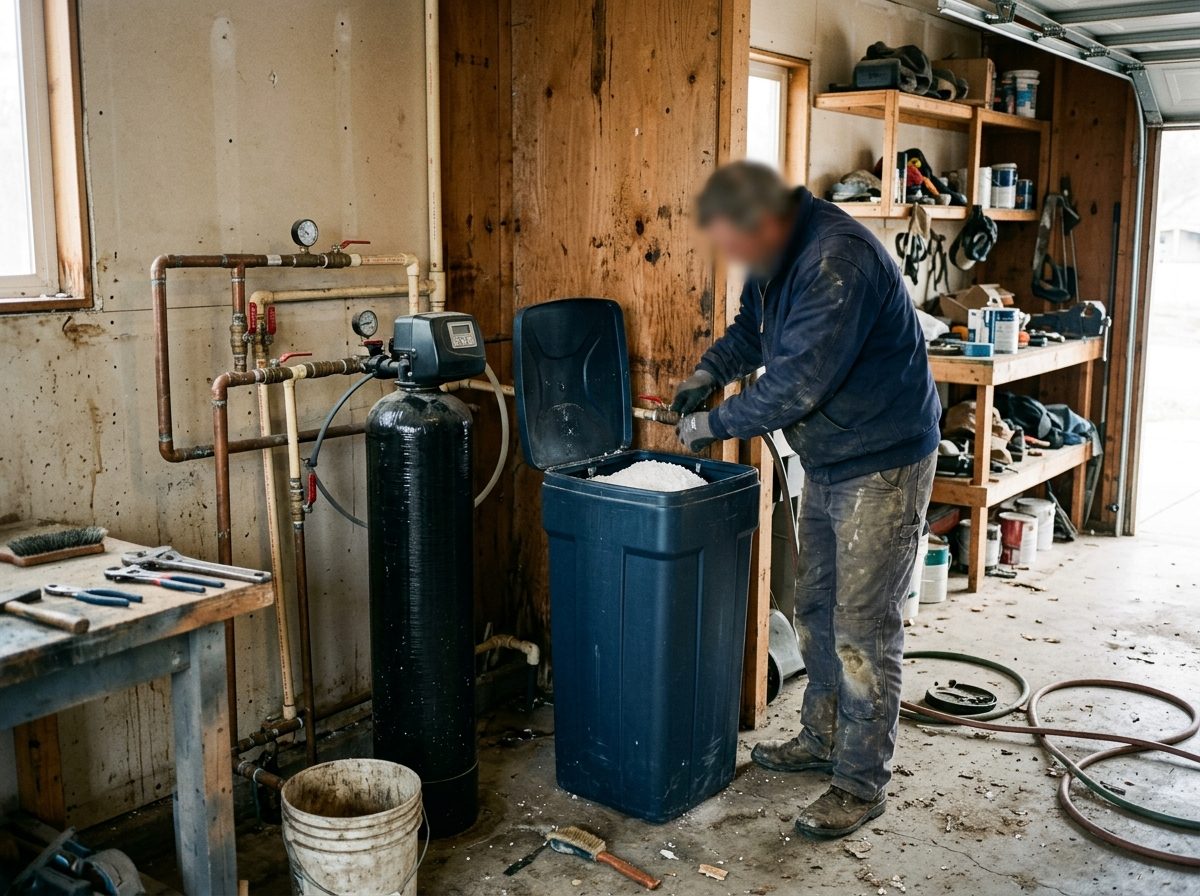
Mineral content on the eastern plains is high, and on a private well the composition varies from property to property in a way municipal supply does not. Hardness is normal, iron turns up, and in some areas nitrate is a genuine consideration that makes testing more than a formality.
Test before you treat. Hardness, iron and other results call for different equipment, and buying a softener when the problem is something else is how households end up with expensive gear and the same complaint. Where treatment is right, sizing it to the household matters more than the brand.
Deep frost and buried lines
Frost runs deeper here than almost anywhere else in the state, and there is no shelter from wind. Buried water lines, hydrants and stock tank feeds all sit closer to the frost line than an equivalent installation on the Front Range, and anything above ground is losing heat constantly.
Outbuildings freeze first because they are heated least. The reliable approach for a building not in use through winter is to isolate its branch and drain it, rather than trying to keep it warm. Where a line has to stay in service, insulation and air sealing come before heat tape, and tape needs testing each autumn because it fails silently.
Line stopped flowing? Close the main shutoff before anything gets thawed.
Ask about a frozen pipePlanning beats reacting
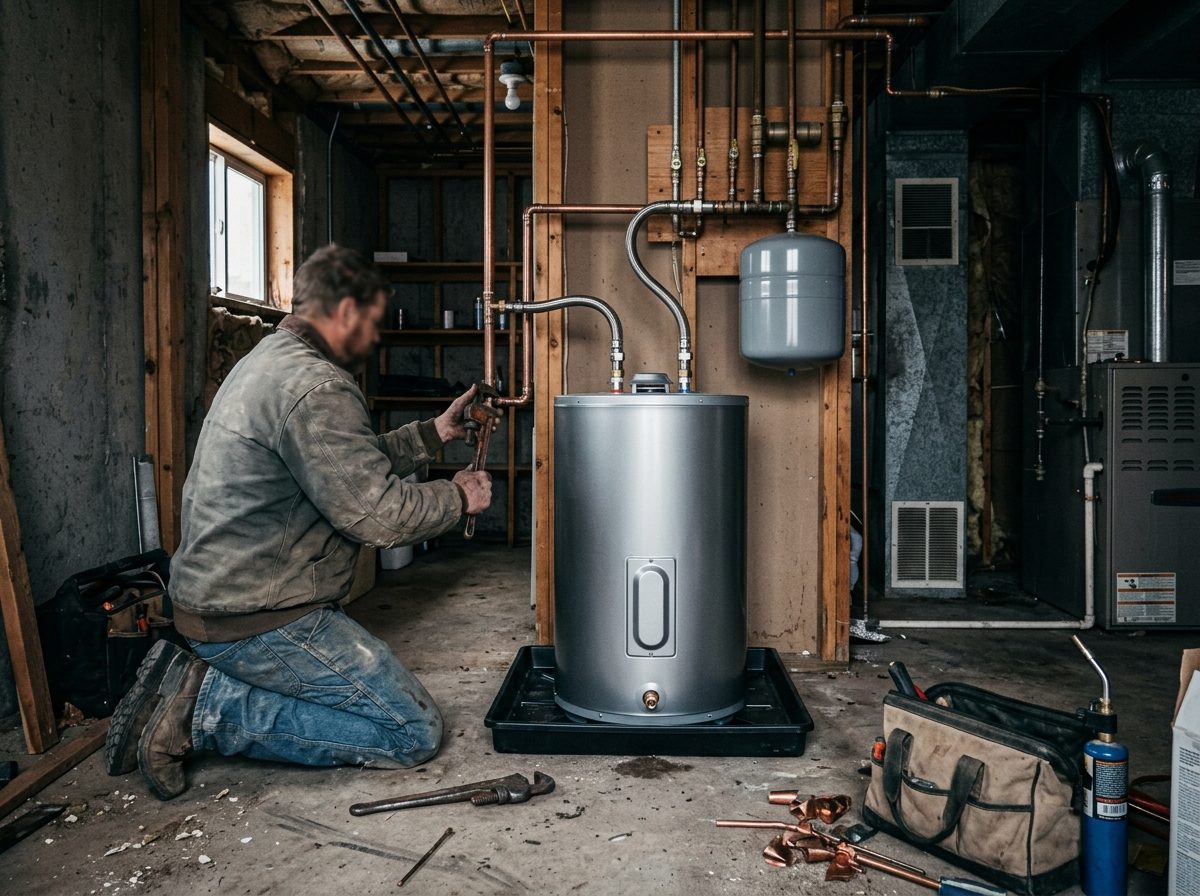
The other consequence of distance is that replacing something before it fails is worth more here than in town. A water heater at the end of its life, a pump showing its age, a hydrant that has started to weep — all of those are cheap to deal with on a scheduled visit and expensive to deal with at short notice from two hours away.
That is not a sales argument, it is arithmetic. Where the nearest help is far away, the value of a planned replacement over an emergency one is much larger than it would be in a city.
Something clearly near the end of its life? Replacing it on a schedule costs far less out here.
Ask about planned workPermitted work in a rural county
Work on a water heater, a gas or propane line, a sewer repair or a repipe is normally permitted and inspected work, and out here that process is shaped by distance as much as by regulation. The building department serving a rural county covers a great deal of ground with a small staff, so inspection slots are scheduled rather than immediate, and a job that fails an inspection on a detail does not get re-inspected the same afternoon.
The practical effect is that sequencing matters more than it does in a city. Work that has to be inspected before it is closed up needs the inspection booked into the plan, not fitted around it, or a wall stays open for a week. That is a scheduling question rather than a cost one, and it is a reasonable thing to ask about at the point of quoting rather than discovering later.
For a property owner the useful preparation is knowing which jurisdiction the address sits in and what has been permitted there before. Rural properties often carry a long history of work done without records, and while nobody is going to unpick that retrospectively, it does mean an inspector looking at new work may find older work adjacent to it. Being told that in advance is better than being surprised by it, and it is one of the reasons an honest scope on a rural job tends to be broader than the original complaint.
Worth knowing before you need it
Where the main shutoff is, whether it actually turns, and where the well breaker sits. Three things, no cost, and they decide how bad the worst day gets.
Nearby communities
Akron sits in Washington County, a long way from anywhere, with Fort Morgan and the Morgan County towns to the west.
Akron, Colorado
Washington County questions answered
It depends entirely on who is already working out this way, and you will be told plainly rather than optimistically. For genuine emergencies the phone advice matters as much as the arrival time. For anything else, a scheduled visit gets done sooner in practice than waiting for a same-day opening.
Check the breaker for the pump first, then the pressure switch, then what the gauge reads. A tripped breaker and a failed switch are both inexpensive and both look exactly like a dead pump from inside the house. If the pump runs but pressure swings every few seconds, suspect the pressure tank.
Yes, and particularly here because nobody else is testing it for you. Hardness and iron affect appliances and fixtures; other results affect the people drinking it. Annual testing is a reasonable habit, and it is the only basis on which to decide whether treatment equipment is worth buying.
It is a bad candidate for waiting. A frost-free hydrant drains its standpipe below the frost line whenever it closes, and one that leaks often no longer drains. Water left in that pipe through a hard freeze splits it underground, and here that means digging in deeply frozen ground.
That is how work out here should be scheduled. Give a full list when you call — house, shop, barn, hydrants, tanks — so the right parts and equipment come on the truck. A second trip for a fitting that could have been on the first is the expensive part of remote plumbing.
Out here the case is stronger than in a city. A planned replacement happens on a scheduled trip at a predictable price; an emergency one means waiting, possibly without hot water for days, and paying for an urgent long-distance callout. Age, rust at the fittings and damp underneath are the things to judge on.
If it is not needed through winter, isolate its branch and drain it — that removes the risk instead of managing it. If it must stay in service, insulate the run properly and seal the air leaks first, then use heat tape as backup. Test any existing tape each autumn, because it fails without any visible sign.
Three to five years for most households, sooner where the tank is small or the household is large. Every drain slowing at once rather than one fixture is the signal that the tank rather than the plumbing needs attention, along with unusually green growth over the field.
Generally yes — it is a fuel-burning or electrical appliance tied into the water system, and replacement is normally permitted and inspected regardless of how remote the property is. What differs out here is timing rather than requirement: inspection slots are scheduled around a large county, so it is worth building that into the plan instead of assuming same-day.
On a metered supply the provider generally owns the main and the meter, and everything from there into the building is the property owner’s — including the buried section across the garden. That surprises people the first time a leak turns up in it. Knowing the route and depth of your own service line is worth more here than it appears, because it is your pipe.
Washington County, any hour
Akron and the surrounding eastern plains communities.
(833) 621-2904 — answered 24/7, statewide.